Petty Cash: What It Is, How to Run It, and a Printable Log
Petty cash is a small cash float for minor business purchases. Set one up, keep a petty cash log, replenish it and record it in your books, with a printable log you can use today.
 Eric Tech·Oct 21, 2026·11 min read·
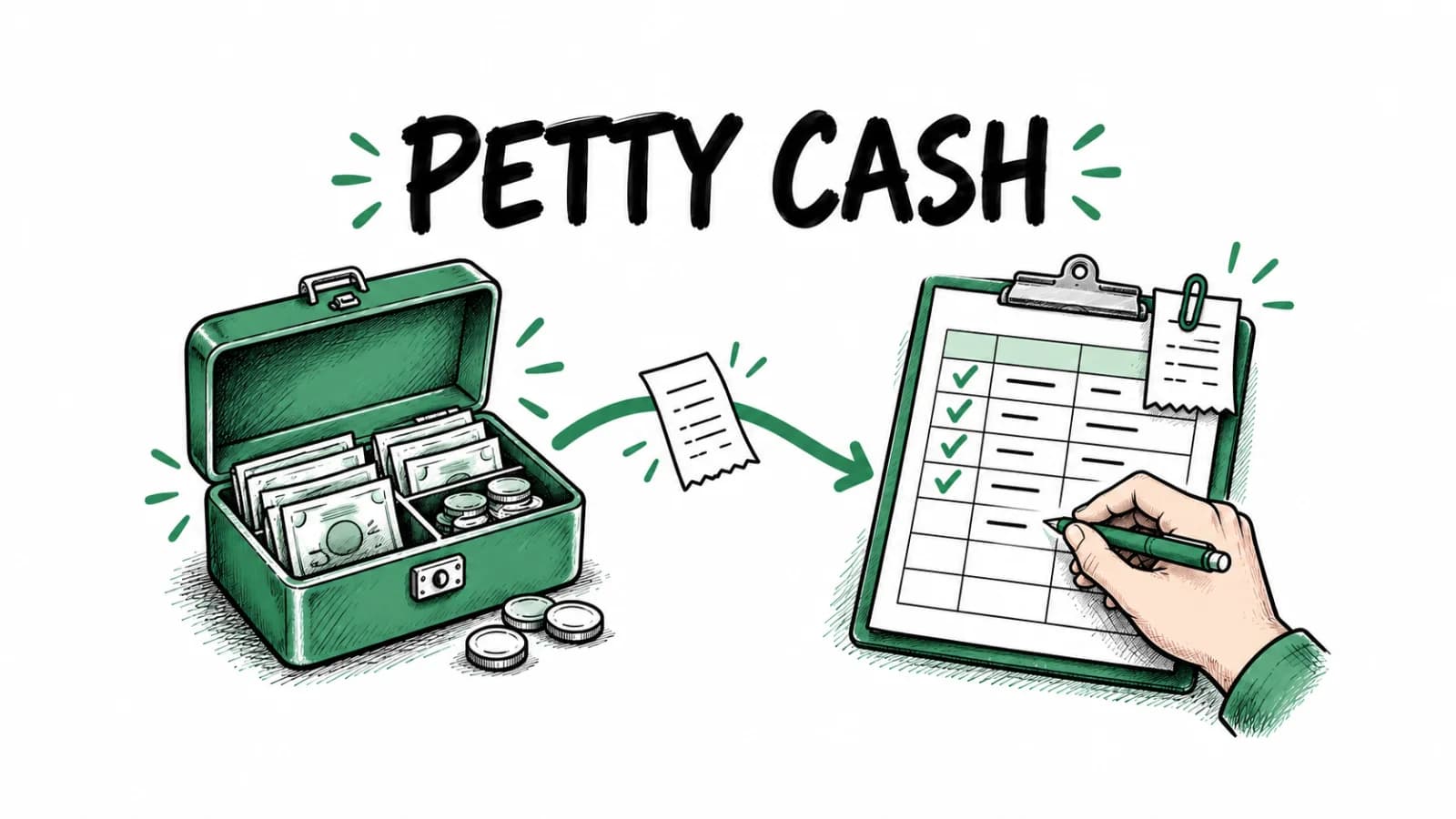
Petty cash is a small amount of cash a business keeps on hand for minor purchases, such as stamps, a cleaning supply run or a courier tip. One person looks after it. Every time money leaves the box, they write it in a petty cash log and keep the receipt. When the cash runs low, the receipts are totalled, recorded as expenses, and the box is topped back up to its starting amount.
The rest of this guide covers setting up a fund, the log (there is a printable one below), replenishing, and recording petty cash in your books in Canada and the US.
What Petty Cash Is For
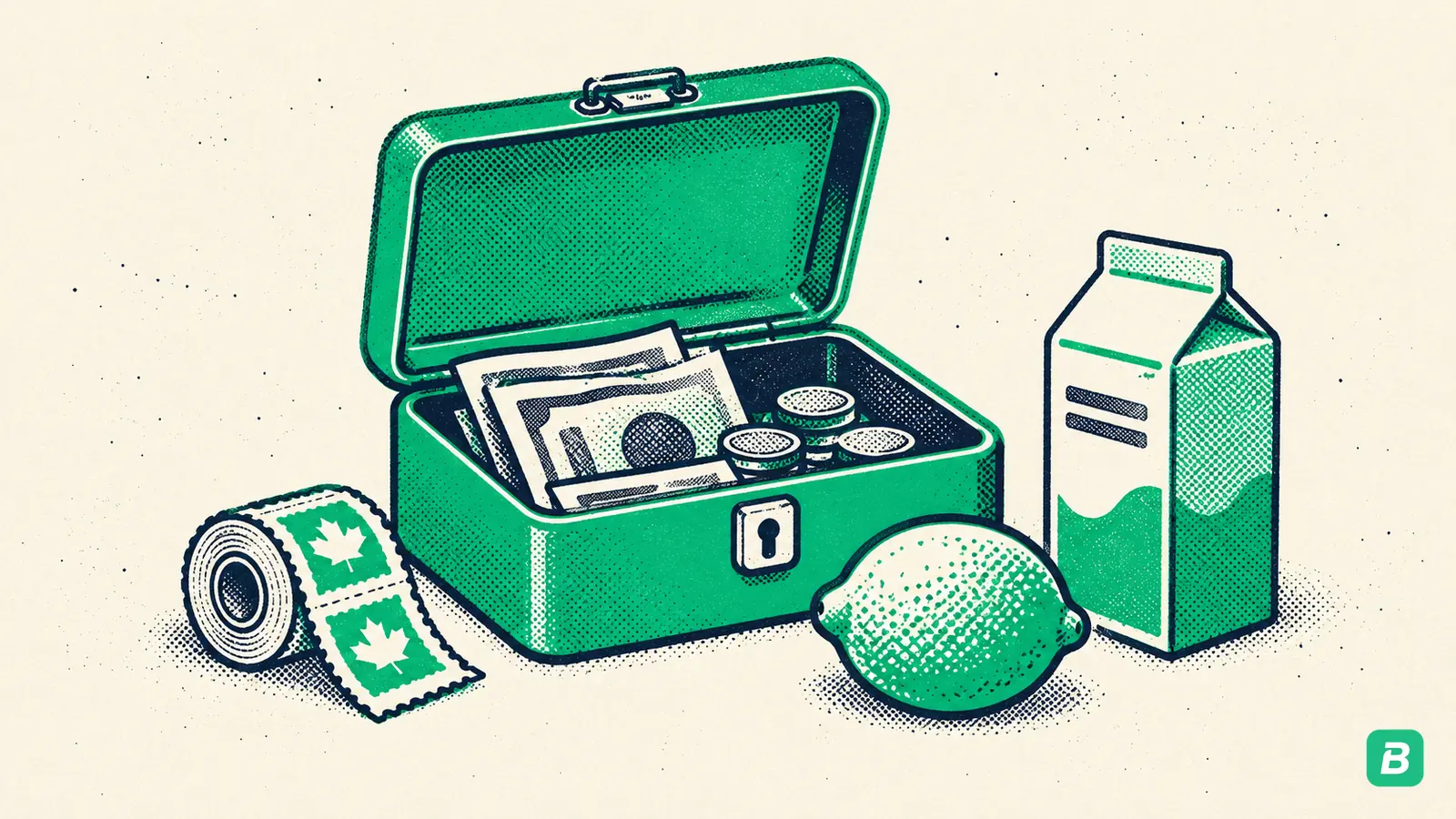
Petty cash covers purchases too small or too sudden to put on a card or an invoice. A restaurant sends someone out for lemons during a dinner rush. A shop pays a window cleaner $20 in cash. An office buys milk for the coffee machine.
Payroll, supplier bills, rent and anything you can pay by card or transfer should go through the bank, where the statement gives you a record for free. Keep petty cash for the small things that would otherwise come out of someone's own pocket.
How to Set Up a Petty Cash Fund
- Pick an amount. Look at what you spent in cash over the last month and round up. Many small businesses start with $100 to $300. The float should last two to four weeks.
- Pick one custodian. One person holds the key and signs off every withdrawal. When the custodian changes, count the box together and both sign the log.
- Write a short policy. Set a limit per purchase (for example, $50), list what the fund can pay for, and say that every withdrawal needs a receipt.
- Withdraw the float from the bank. Write one cheque or make one withdrawal for the full amount, and note it in your books (see the entries below).
- Lock it up. A cash box in a locked drawer or a small safe is enough.
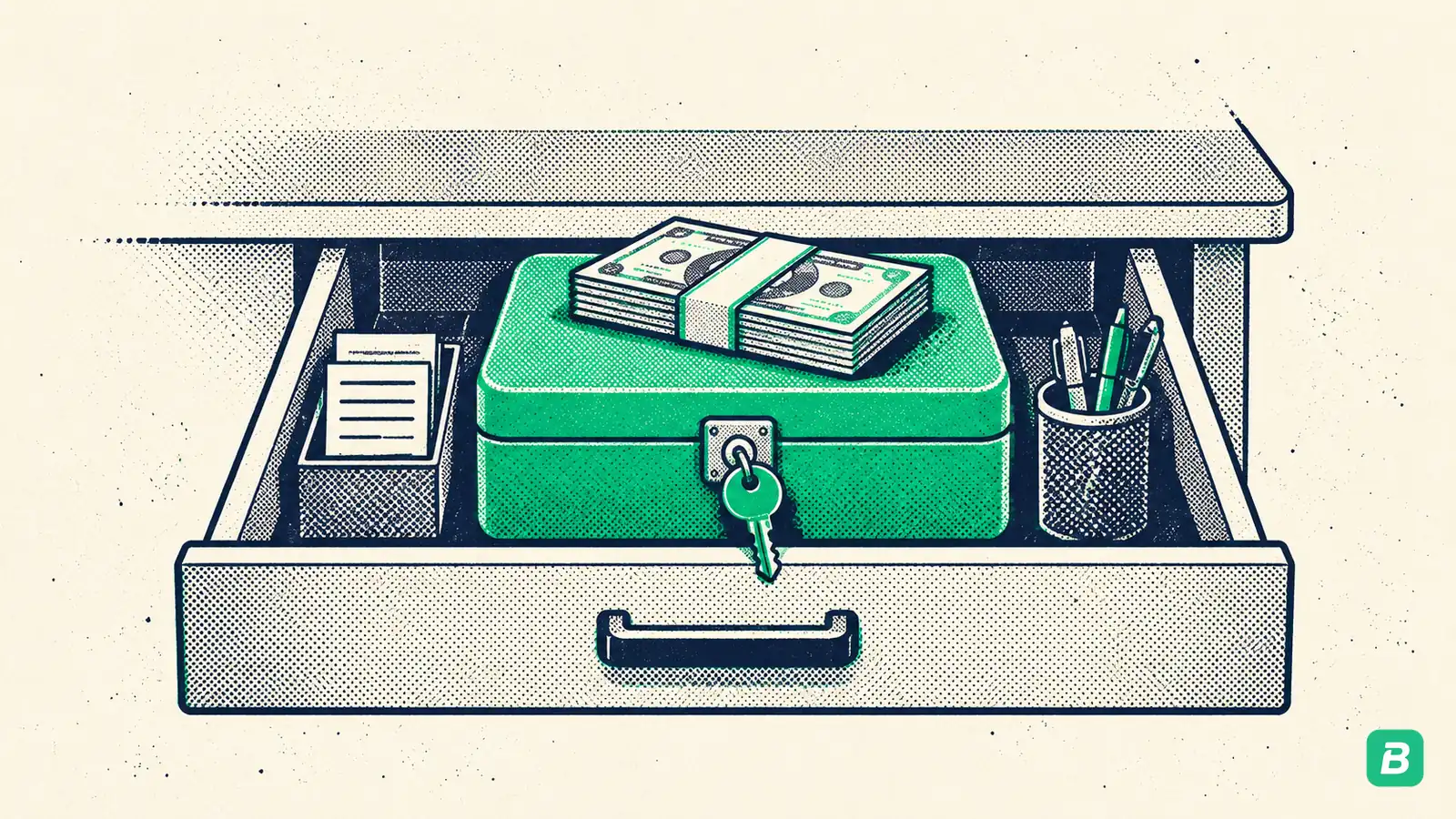
This is called an imprest fund: the box always holds its starting amount in cash plus receipts. If the float is $200, cash plus receipts should add up to $200 at any moment.
Printable Petty Cash Log
Print this page or copy the table into a spreadsheet. Write one line for every withdrawal, staple or tape the receipt behind the sheet, and start a new sheet each time you replenish.
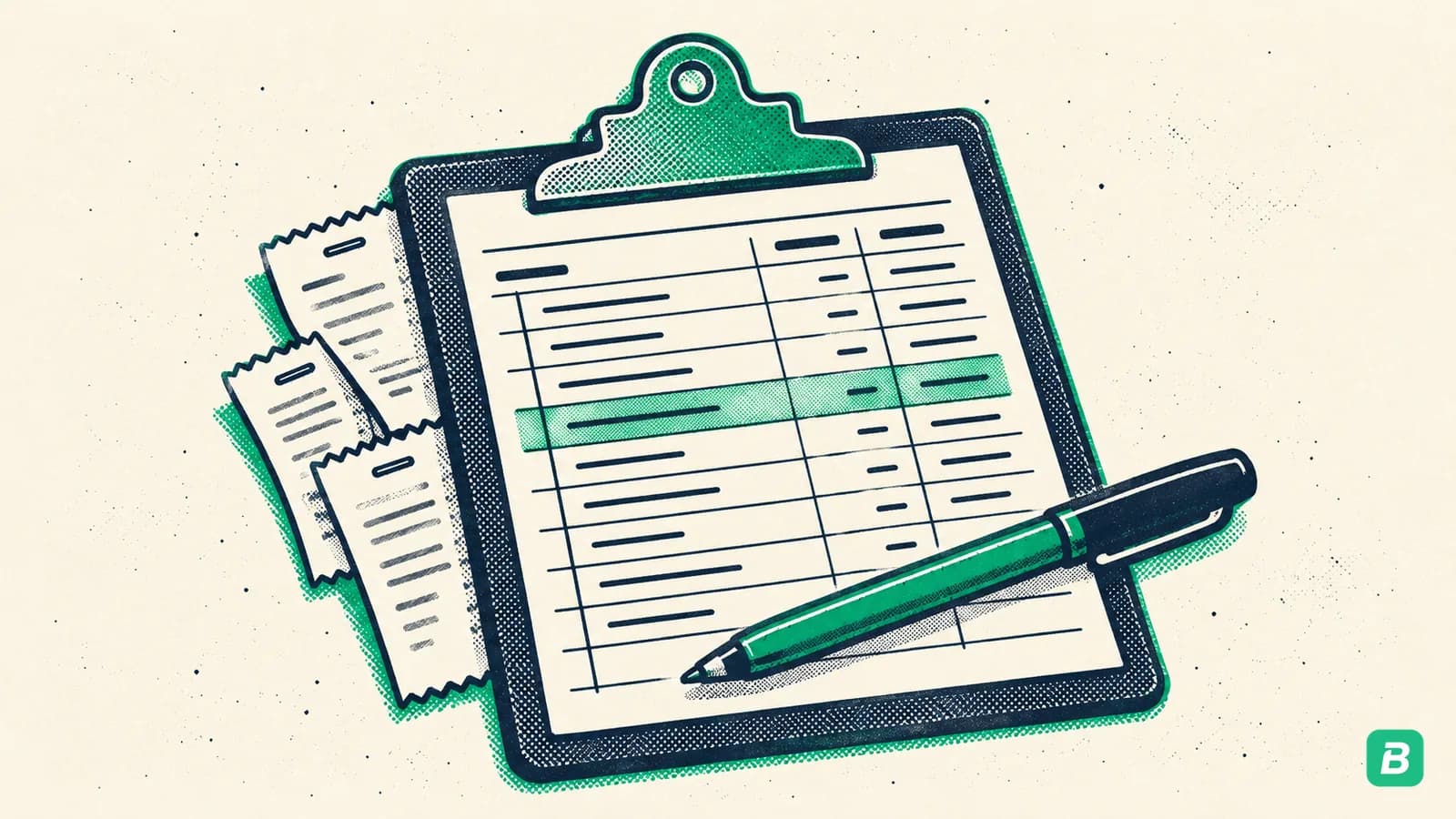
Petty cash log
Business name: ____________________ Custodian: ____________________
Float amount: $__________ Period: from __________ to __________
| Date | Voucher # | Paid to | What it was for | Category | Amount | Received by | Receipt attached? |
|---|---|---|---|---|---|---|---|
| Total spent: |
Reconciliation at replenishment
| Line | Amount |
|---|---|
| Float amount | $ |
| Total of receipts (from the log) | $ |
| Cash counted in the box | $ |
| Receipts + cash (should equal the float) | $ |
| Over or short | $ |
| Amount withdrawn to replenish | $ |
Counted by: ____________________ Checked by: ____________________ Date: __________
How to fill in the log
- Date is the day the cash left the box, not the day you wrote it down.
- Voucher # numbers each withdrawal in order. If a number is missing, you know a slip is missing.
- Paid to is the store or person who got the money.
- What it was for says why the business needed it: "printer paper for front desk", not just "Staples".
- Category uses the same expense categories as the rest of your books (see below).
- Received by is the person who took the cash. They sign or initial it.
- When there is no receipt (a parking meter, a cash tip), write a voucher: date, amount, who was paid, what for, and two signatures.
How to Replenish Petty Cash
Top up the fund when the cash falls to about a quarter of the float, or at the end of each month, whichever comes first.- Total the log and count the cash.
- Check that receipts plus cash equal the float. If they don't, write the difference as over or short and find out why before the next period.
- Withdraw cash equal to the receipts total (plus any shortage), so the box is back to its float.
- Record the expenses from the log in your books, by category.
- File the sheet and its receipts together, and start a new sheet.
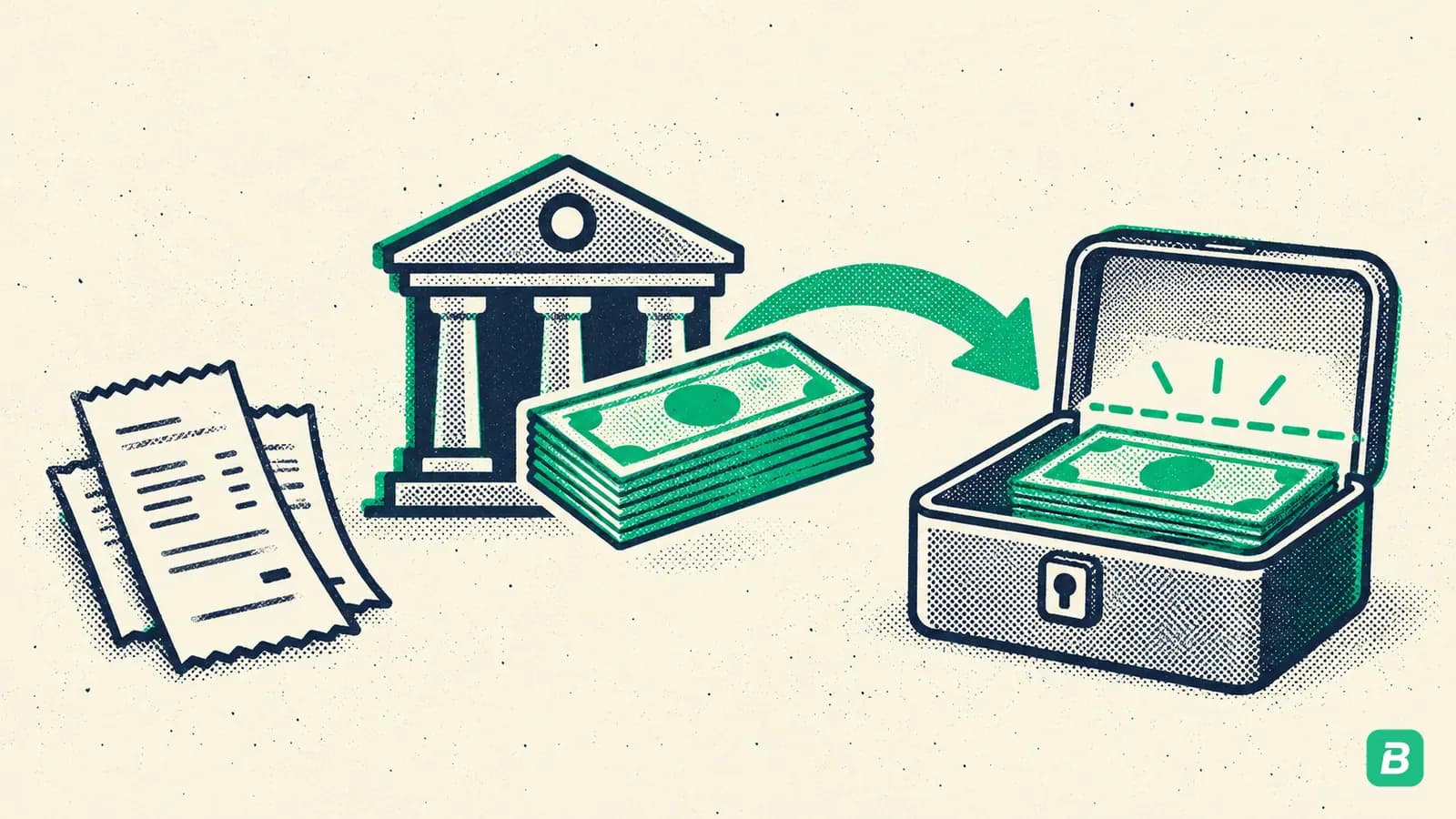
A worked example: the float is $200. At month end the log shows $142.50 of receipts and the box holds $55.00. Receipts plus cash come to $197.50, so the fund is $2.50 short. You withdraw $145.00 to bring the box back to $200, record $142.50 of expenses by category, and record the $2.50 as a cash shortage.
Recording Petty Cash in Your Books
Petty cash gets its own asset account, usually called Petty cash, next to your bank account. There are three entries.
Setting up the fund moves money from the bank into the box. It is not an expense.
| Account | Debit | Credit |
|---|---|---|
| Petty cash | $200.00 | |
| Bank | $200.00 |
Replenishing records the spending. Using the example above:
| Account | Debit | Credit |
|---|---|---|
| Office expenses | $61.00 | |
| Delivery, freight, and express | $34.50 | |
| Repairs and maintenance | $47.00 | |
| Cash over and short | $2.50 | |
| Bank | $145.00 |
The Petty cash account doesn't move here. It stays at $200, because the box is back to $200.
Changing the float is the only other time the Petty cash account moves. If you raise the float to $300, debit Petty cash and credit Bank for $100.
If you use double-entry bookkeeping these entries will look familiar. If you use simple single-entry books, record the replenishment as expense lines and the setup as a transfer.
Which Category Petty Cash Purchases Go In
Each petty cash receipt goes in the category that matches the purchase, the same as if you had paid by card. The box only tells you how it was paid.
| Purchase | Canada (T2125 category) | US (Schedule C category) |
|---|---|---|
| Stamps, printer paper, pens | Office expenses | Office expense |
| Courier or shipping fee | Delivery, freight, and express | Other expenses |
| Small repair to equipment | Repairs and maintenance | Repairs and maintenance |
| Parking at a client's site | Business parking fees | Parking and tolls |
| Coffee with a client | Meals and entertainment | Deductible meals |
| Cleaning supplies used in the business | Office stationery and supplies | Supplies |
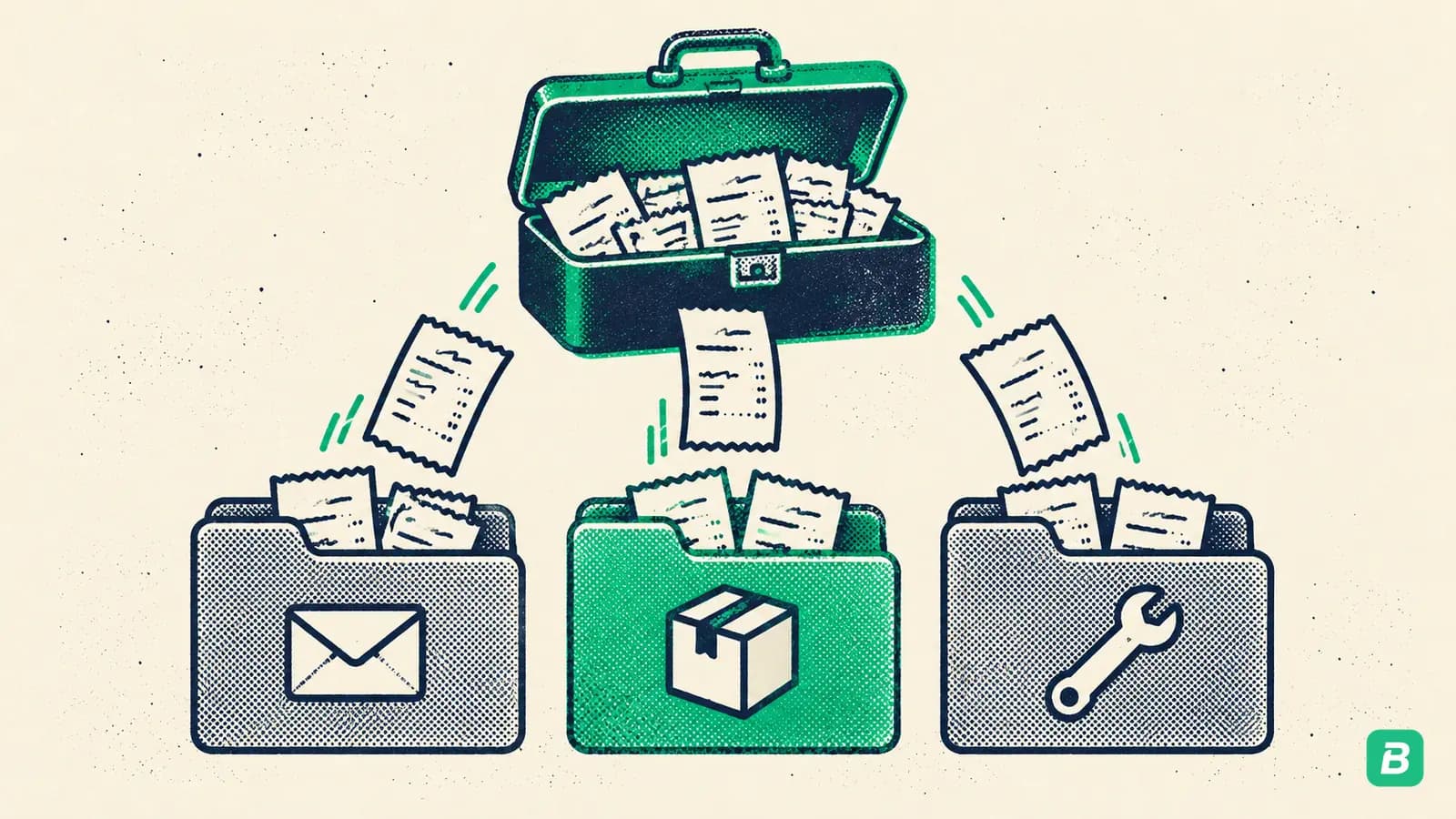
Meals are generally limited to 50% in both countries, and what counts as a business meal has rules of its own. For the full lists, see the CRA expense categories guide and the Schedule C categories guide. US freelancers can use the 1099 write-offs list, sorted by Schedule C line.
Petty Cash Rules That Stop Problems
- One custodian, one key. Shared access makes a shortage impossible to trace.
- No receipt, no cash. A voucher signed by two people is the only exception.
- No IOUs or personal loans. An IOU in the box hides a shortage until someone leaves.
- No cashing personal cheques out of the fund.
- Surprise counts. Once in a while, the owner counts the box without warning. Receipts plus cash should equal the float.
- A per-purchase limit. Anything over it goes through the bank.
- Keep the logs. The CRA asks you to keep business records for six years. In the US the IRS generally asks for three years after you file. The log and its receipts are those records.
Keeping Petty Cash Receipts Without a Shoebox
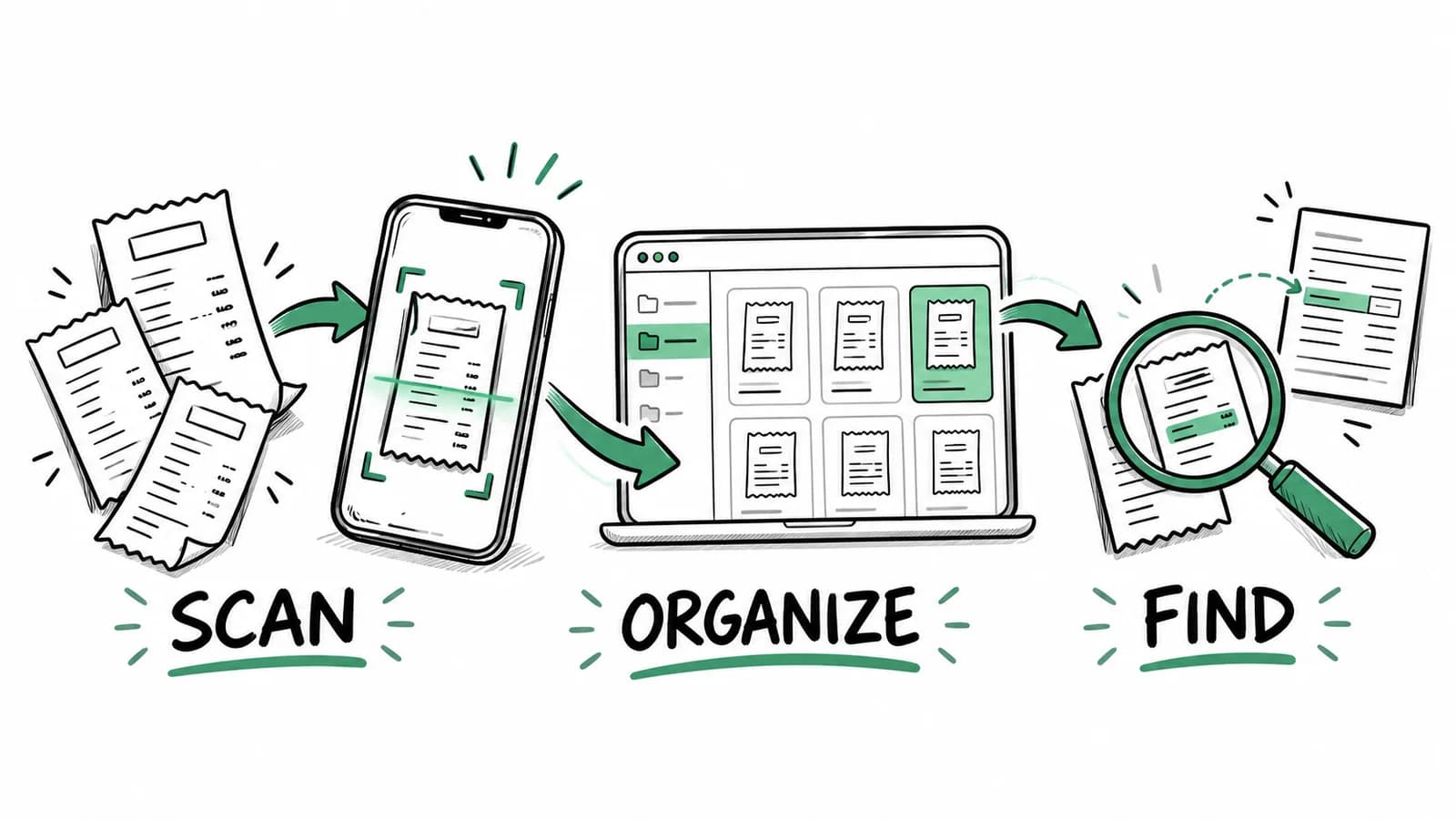
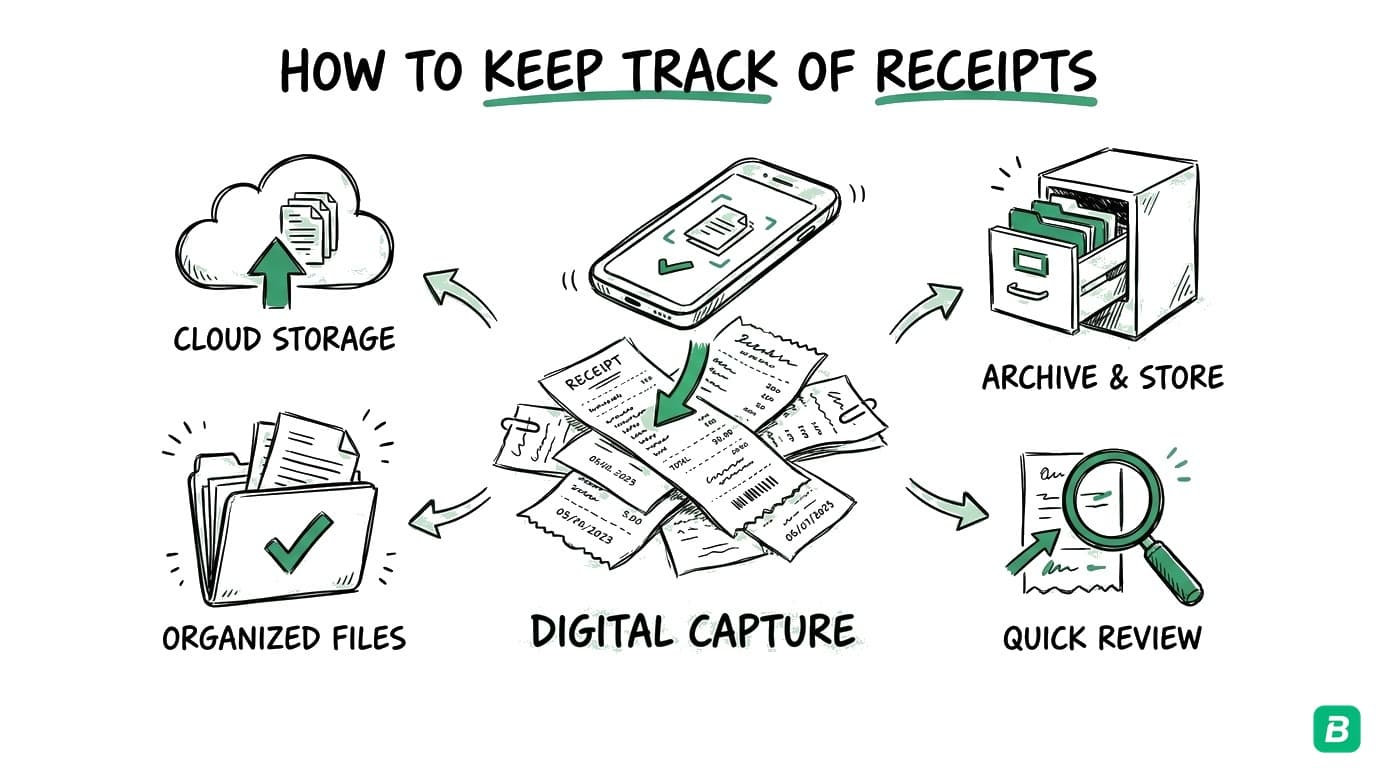
The weak point is the receipts. Paper slips fade, get wet, or fall out of the box, and a log line without its receipt is hard to defend later. Photograph each slip on the day it comes in, then file the paper with the log sheet.
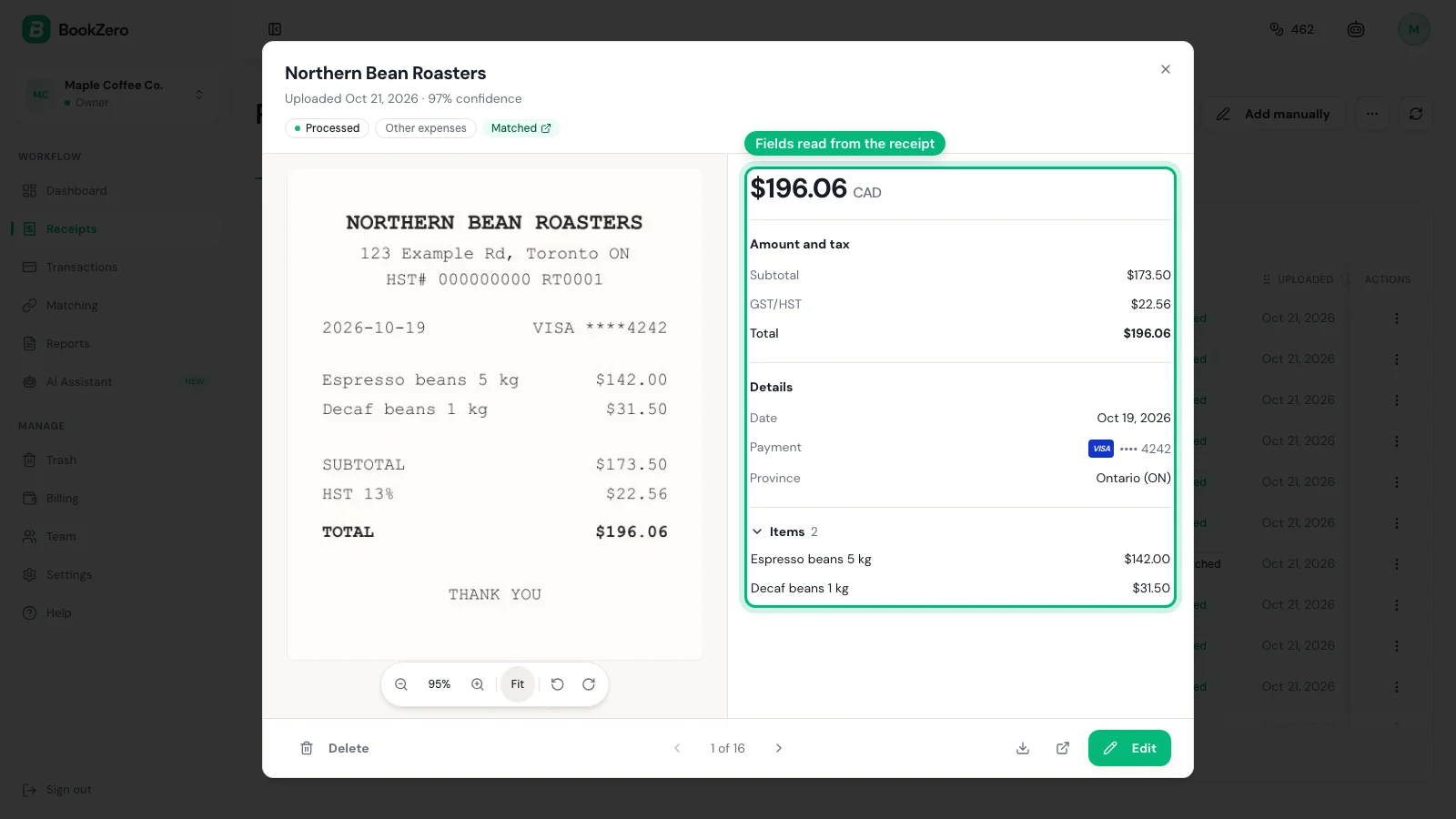
Snap each petty cash slip into BookZero.
It reads the store, date and amount, files it under the right CRA or IRS category, and keeps the photo with the record.


If you only want to test it on a few slips first, the free receipt scanner reads a receipt without an account. For a fuller system for every receipt, not only petty cash, see how to keep track of receipts for a small business and the small business expense tracking guide.
Frequently Asked Questions
What is petty cash?
Petty cash is a small amount of cash a business keeps on hand to pay for minor expenses, such as postage, small supplies or a delivery tip. One person looks after it, every withdrawal is written in a petty cash log with a receipt, and the fund is topped back up to a fixed amount when it runs low.
How much should a petty cash fund be?
Enough to cover two to four weeks of small cash purchases. Many small businesses use $100 to $300. Look at last month's cash spending, round up, and adjust after a couple of periods.
Is petty cash an asset or an expense?
The fund itself is an asset, recorded in a Petty cash account like a small bank account. The purchases paid from it are expenses, recorded by category when you replenish the fund.
What goes in a petty cash log?
The date, a voucher number, who was paid, what it was for, the expense category, the amount, and the initials of the person who took the cash. Attach the receipt behind each line. At replenishment, add a reconciliation showing receipts plus cash equal the float.
What happens if petty cash is short?
Record the difference in a Cash over and short account when you replenish, so the books match the box. Then find out why. A one-off missing coin is normal. A shortage every month usually means a missing receipt, an IOU, or too many people with access.
Can I use petty cash for my own expenses?
No. Petty cash is business money for business purchases. If you take money out for yourself as a sole proprietor, record it as an owner's draw, not as an expense, and keep it out of the petty cash log.
Do I need a receipt for every petty cash purchase?
You should have one wherever you can get one. For the few cases without a receipt, such as a parking meter or a cash tip, write a petty cash voucher with the date, amount, who was paid and why, signed by the person who spent it and the custodian.

Eric Tech· Founder, BookZero.ai
Founder of BookZero. Building AI-powered bookkeeping tools for US and Canadian freelancers and small businesses.
View all postsStay ahead of tax season
Tax tips, deduction strategies, and feature announcements straight to your inbox. No spam, unsubscribe anytime.