Bookkeeping vs Accounting: What Canadian Small Businesses Actually Need (2026)
The real difference between bookkeeping and accounting — what each involves, what each costs, and which one you actually need as a Canadian small business owner.
 Eric Tech·Apr 20, 2026·13 min read·
The Short Answer
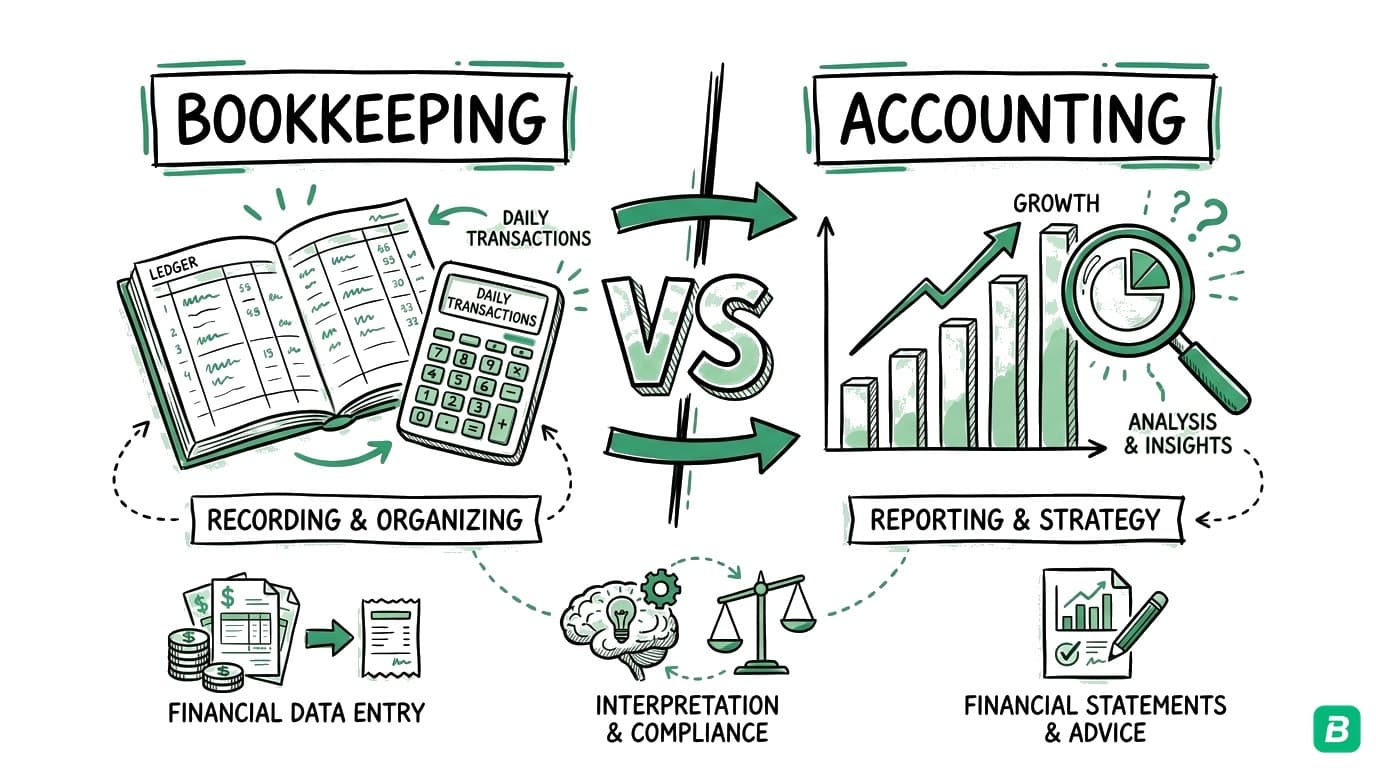
Bookkeeping is recording what happened. Accounting is interpreting what it means.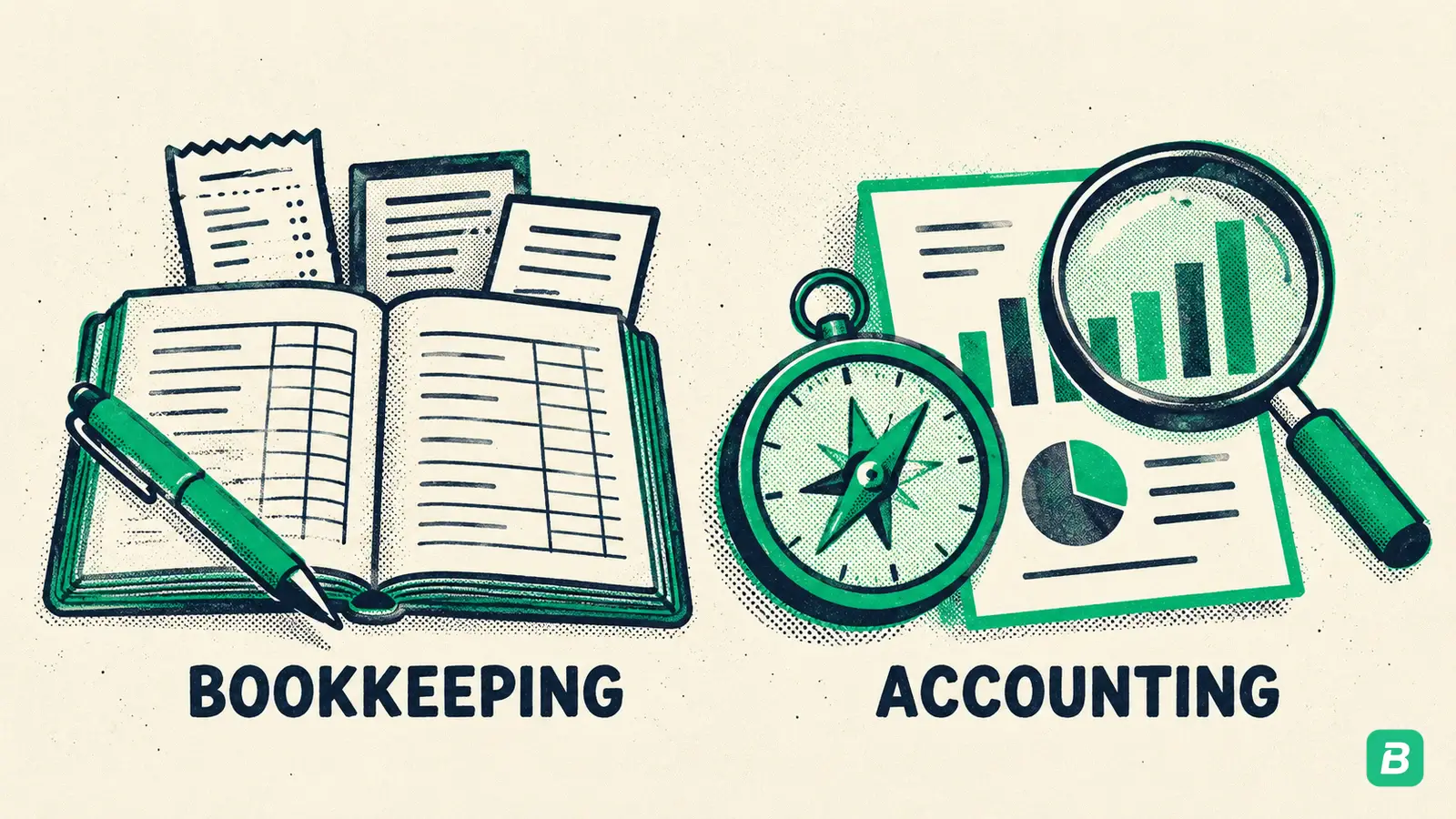
If you run a small business in Canada — whether you are a freelancer, sole proprietor, or incorporated — you will eventually need both. But the type of work, the frequency, and the cost differ dramatically. Most small business owners overpay for one and underinvest in the other.
This guide breaks down the real difference between bookkeeping and accounting, what each costs in Canada, and which one you actually need at each stage of your business.
If you are brand new to bookkeeping, start with our complete bookkeeping guide for Canada first. This article assumes you understand the basics and want to know where bookkeeping ends and accounting begins.
Bookkeeping vs Accounting: What Each Actually Involves
The difference between bookkeeping and accounting comes down to two things: the type of work and the level of judgment required.
What Bookkeeping Covers
Bookkeeping is the daily and weekly work of recording financial transactions accurately. It is systematic, repetitive, and rule-based.
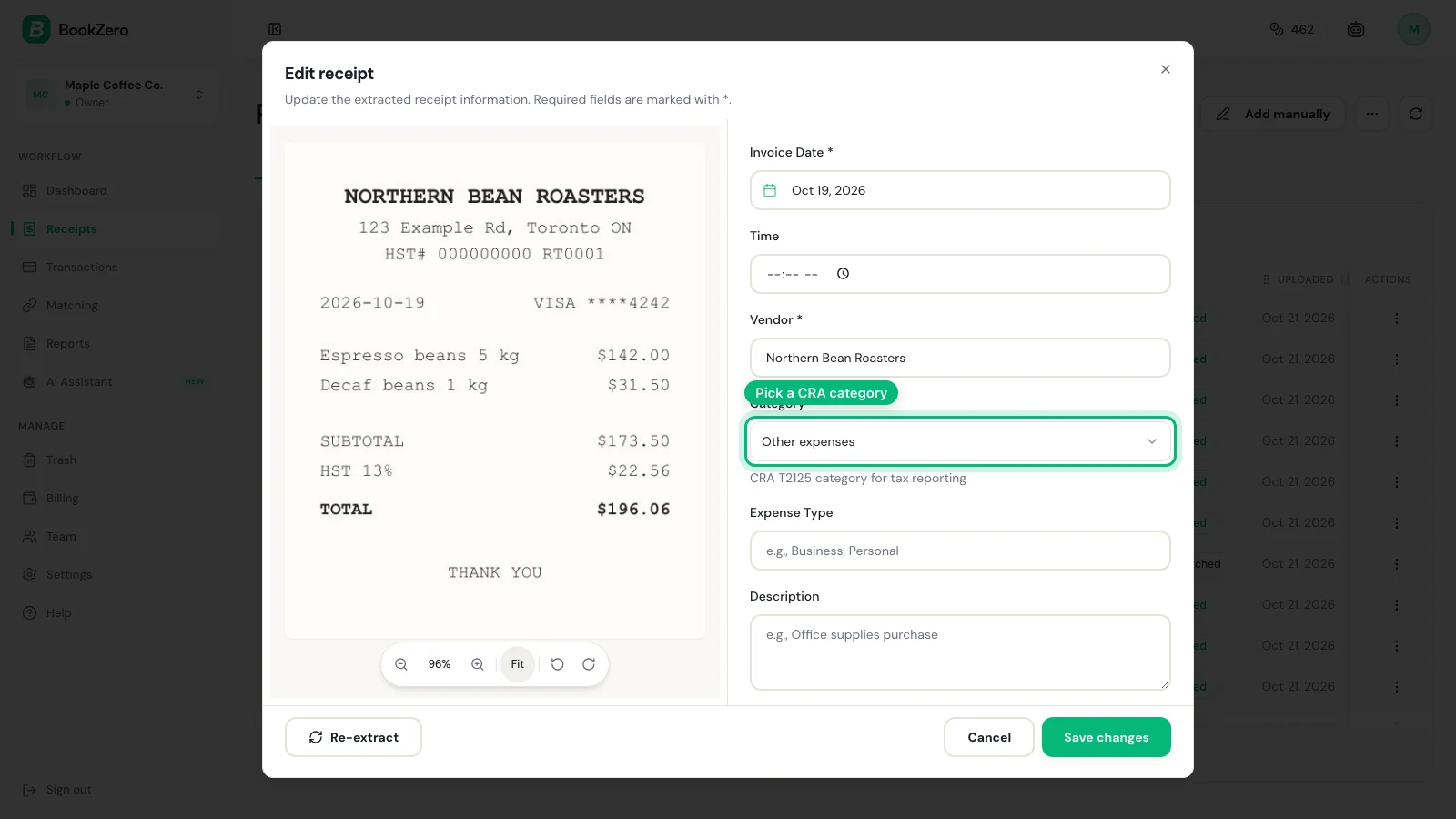
A bookkeeper (or bookkeeping tool) handles:
- Recording every business expense and revenue transaction
- Categorising expenses into the correct CRA categories (T2125 line items)
- Scanning and filing receipts
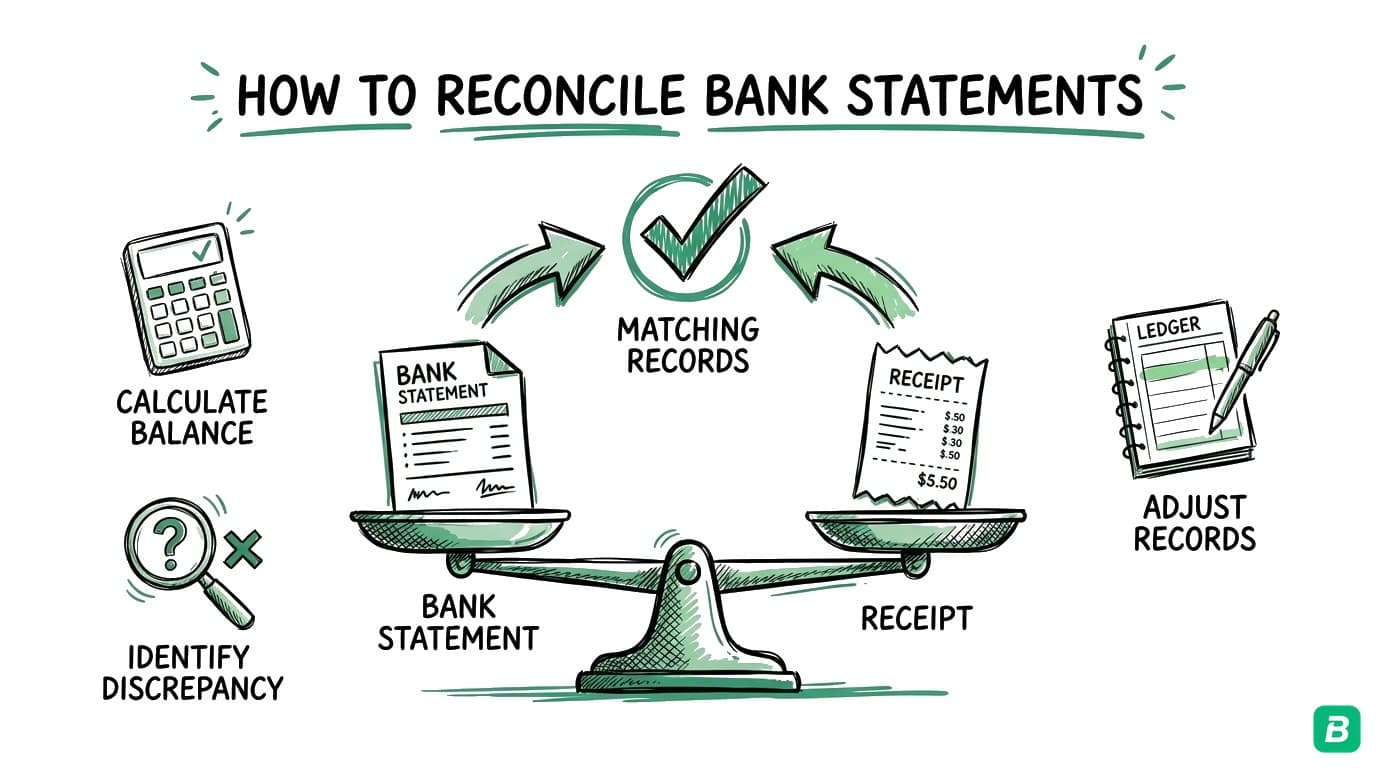
- Reconciling bank statements against recorded transactions
- Tracking GST/HST collected and paid
- Maintaining accounts payable and receivable
- Generating basic financial statements (income, expenses, profit)
Bookkeeping is high-volume, low-judgment work. The rules are clear: a receipt from Shell is fuel, a receipt from Staples is office supplies, and your monthly phone bill is telephone and utilities. The challenge is not deciding what category to use — it is doing the work consistently for every single transaction.
What Accounting Covers
Accounting takes the organised data that bookkeeping produces and interprets it. It requires professional judgment, tax expertise, and strategic thinking.
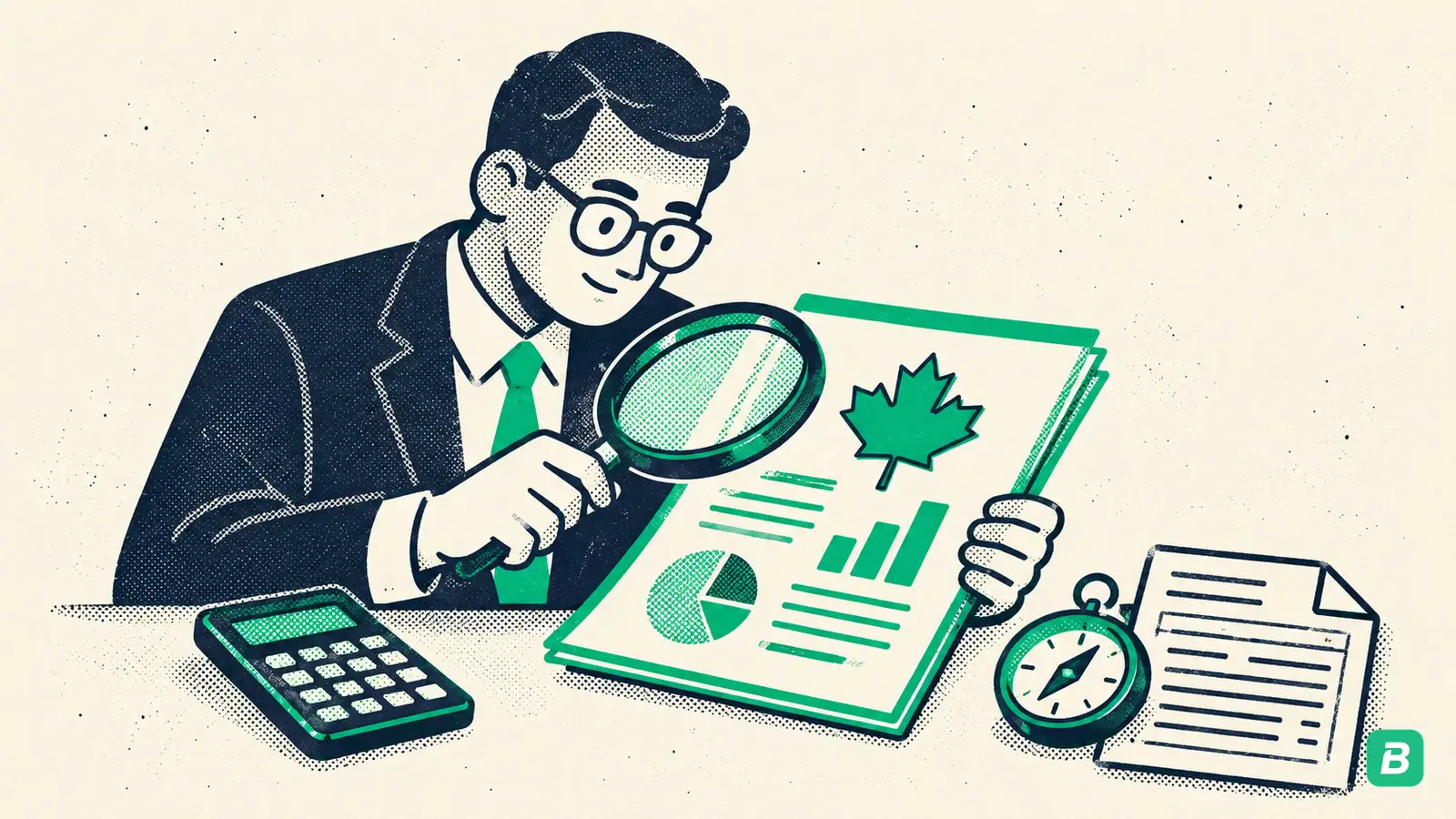
An accountant handles:
- Preparing and filing tax returns (T2125 for self-employed, T2 for corporations)
- Tax planning and optimisation (incorporation timing, income splitting, RRSP strategies)
- GST/HST strategy (quick method vs regular, voluntary registration timing)
- Financial analysis and cash flow forecasting
- Year-end adjustments and accruals
- Representing you during a CRA audit
- Advising on business structure (sole prop vs corporation)
- Capital cost allowance (CCA) schedules and asset depreciation
Accounting is low-volume, high-judgment work. An accountant might spend 15 hours on your file per year — but those 15 hours could save you thousands in tax.
The Comparison Table
| Bookkeeping | Accounting | |
|---|---|---|
| Core task | Recording transactions | Interpreting transactions |
| Frequency | Daily / weekly | Quarterly / annually |
| Judgment required | Low (rule-based) | High (strategic) |
| Credentials needed | None required | CPA designation (for tax filing) |
| Can be automated | Yes — AI handles 90%+ | No — requires human judgment |
| Typical cost | $400–$1,200/month (human) | $150–$300/hour (10–20 hrs/year) |
| DIY feasible | Yes, with the right tool | Risky without tax expertise |
| When needed | From day one | At tax time (minimum) |
| Output | Organised records, categorised expenses | Tax returns, strategic advice |
| Regulatory body | None | CPA Canada |
When You Need a Bookkeeper
You need bookkeeping — whether done by a person, software, or AI — from the moment you earn your first dollar of business income. The CRA requires you to keep records of all business transactions, and "I will sort it out at tax time" is the most expensive sentence in Canadian small business.
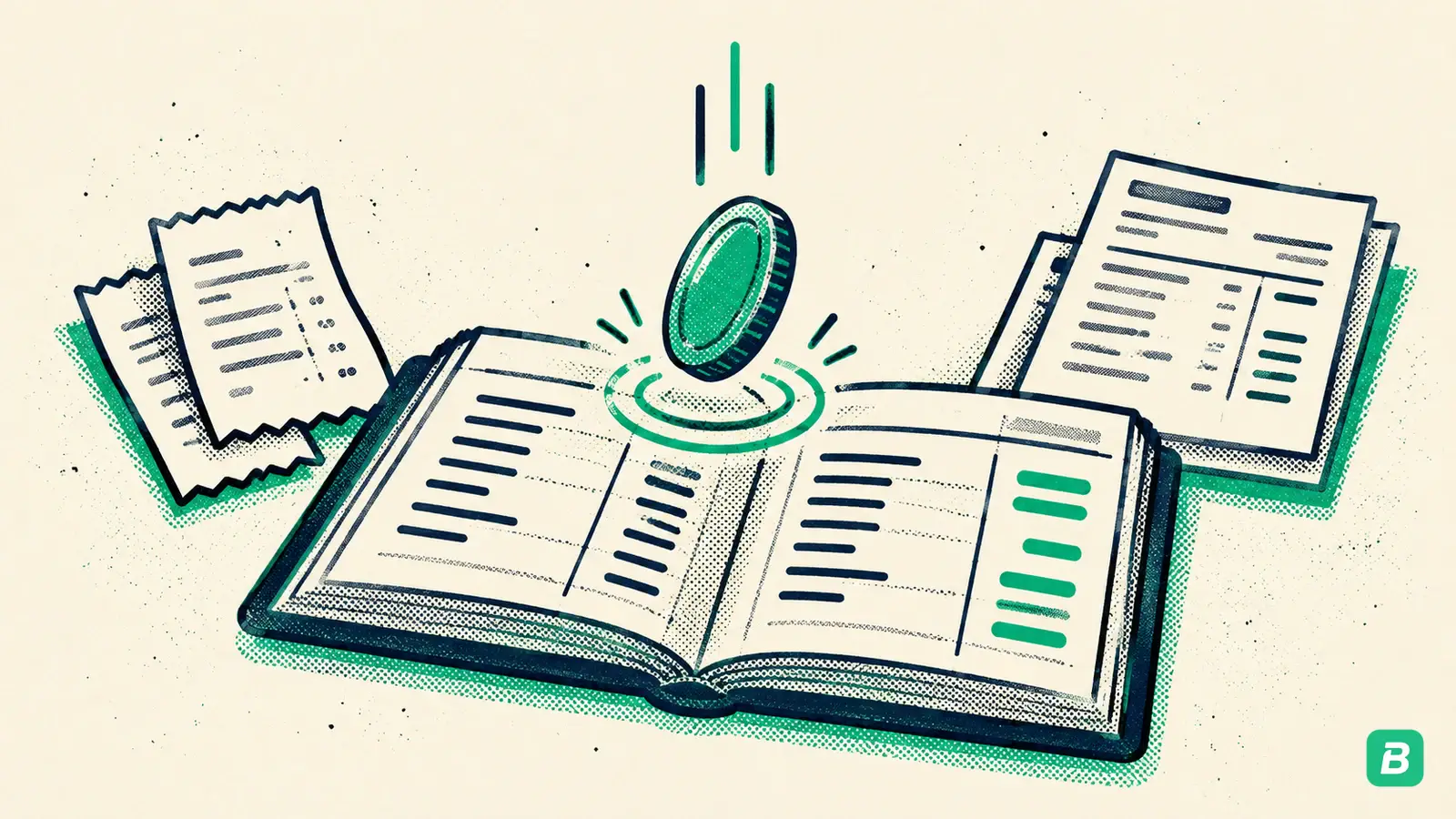
Signs you need bookkeeping help:
- You have a shoebox (or phone folder) of unsorted receipts
- You cannot tell your accountant your total expenses by category without hours of work
- You are missing tax deductions because receipts are lost or uncategorised
- Your GST/HST filing takes days instead of minutes
- You spend your weekends doing data entry instead of earning income
What you do NOT need a bookkeeper for:
- Tax strategy or planning
- Deciding whether to incorporate
- Filing your tax return
- CRA correspondence or audits
- Financial forecasting
In 2026, you no longer need to choose between doing bookkeeping yourself (hours of manual work) or hiring a human bookkeeper ($400–$1,200/month). AI bookkeeping tools now handle receipt scanning, categorisation, and reconciliation automatically — at a fraction of the cost. See how BookZero works for a walkthrough.
When You Need an Accountant
An accountant becomes necessary when you face decisions that have tax consequences — and when the CRA requires professional-grade filings.
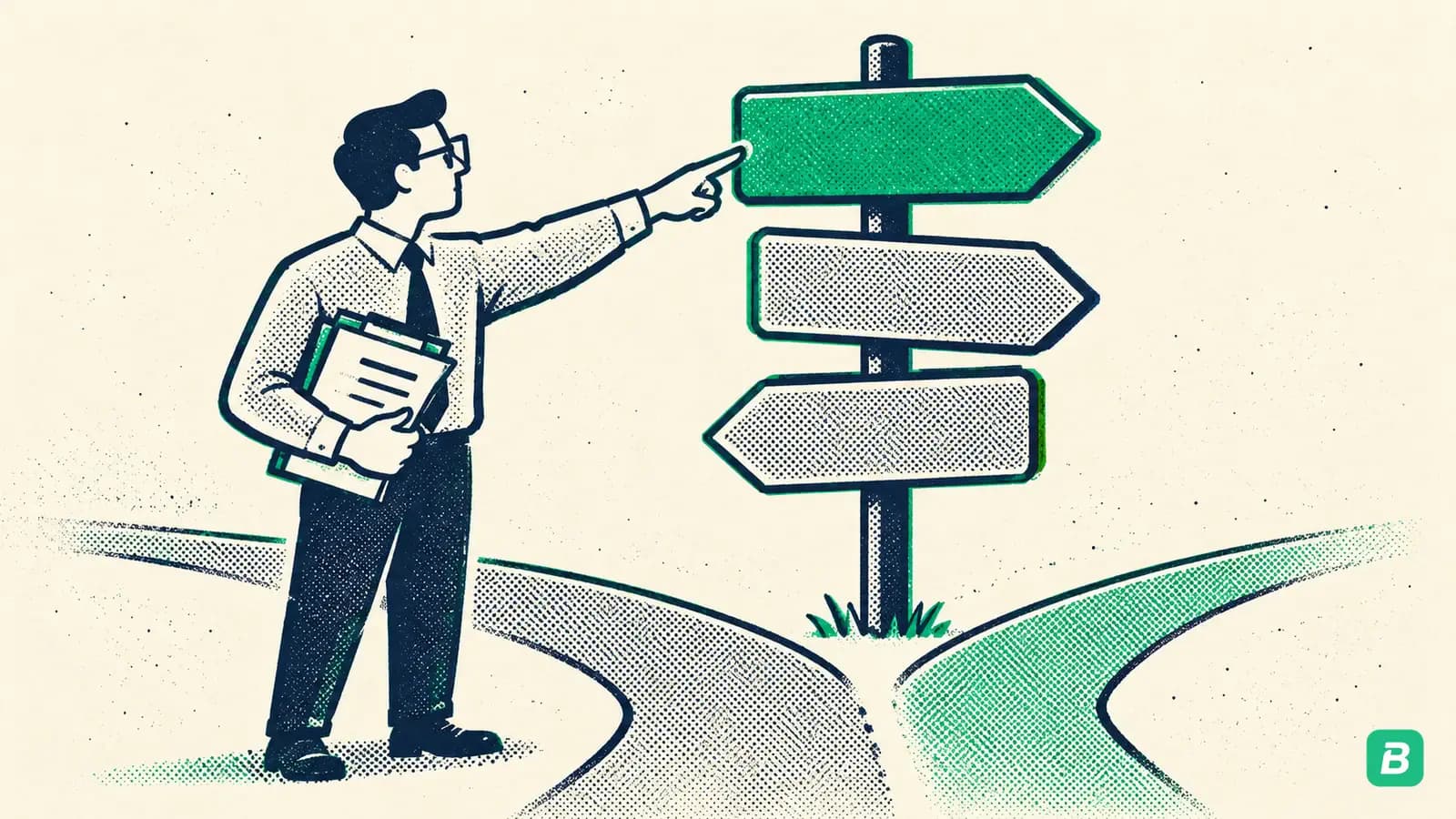
You specifically need a Canadian accountant for:
Tax filing and compliance:
- Filing your T2125 Statement of Business Activities correctly
- Filing a T2 corporate return (if incorporated)
- Calculating capital cost allowance on assets
- Determining home office and vehicle expense percentages
Strategic decisions:
- Whether and when to incorporate (the $50K–$100K income threshold question)
- Income splitting with a spouse through a corporation
- RRSP vs dividend vs salary optimisation
- Whether to voluntarily register for GST/HST before the $30K threshold
CRA interactions:
- Responding to a Notice of Assessment or Reassessment
- Representing you in an audit
- Filing objections or appeals
- Voluntary disclosures for past errors
Year-end adjustments:
- Inventory valuation
- Work-in-progress for service businesses
- Accrued liabilities and prepaid expenses
- Bad debt write-offs
The cost of a good accountant (typically $1,500–$5,000/year for a small business) is almost always less than the cost of tax mistakes. A single missed deduction, incorrect CCA class, or poorly timed incorporation can cost $5,000–$20,000. The accountant pays for themselves.
Cost Comparison: Your Real Options in 2026
Here is what bookkeeping and accounting actually cost for a typical Canadian small business (sole proprietor or freelancer with $50K–$200K revenue):
| Option | Monthly Cost | Annual Cost | What You Get |
|---|---|---|---|
| DIY spreadsheet | $0 (your time) | 100–200 hours of your time | Organised data (if you are disciplined) |
| Human bookkeeper | $400–$1,200 | $4,800–$14,400 | Full-service recording + reconciliation |
| AI bookkeeping (BookZero) | $29 (3-month plan) | $348 | Automated scanning, categorisation, matching |
| Accountant (tax only) | — | $1,500–$5,000 | Tax filing + basic strategy |
| Accountant (advisory) | — | $3,000–$10,000 | Filing + ongoing tax planning |
| Full-service firm | $500–$2,000 | $6,000–$24,000 | Bookkeeping + accounting + tax |
The math for most small businesses in 2026:
- AI bookkeeping tool: ~$348/year (replaces the bookkeeper)
- Accountant for tax filing and strategy: ~$2,000–$4,000/year (irreplaceable)
- Total: ~$2,350–$4,350/year vs $6,000–$20,000/year for the traditional approach
This is not about cutting corners. It is about automating the part that can be automated (data entry, categorisation, reconciliation) and investing in the part that requires human expertise (tax strategy, compliance, CRA representation).
Do I Need a Bookkeeper or Accountant? A Decision Framework
Ask yourself these questions:
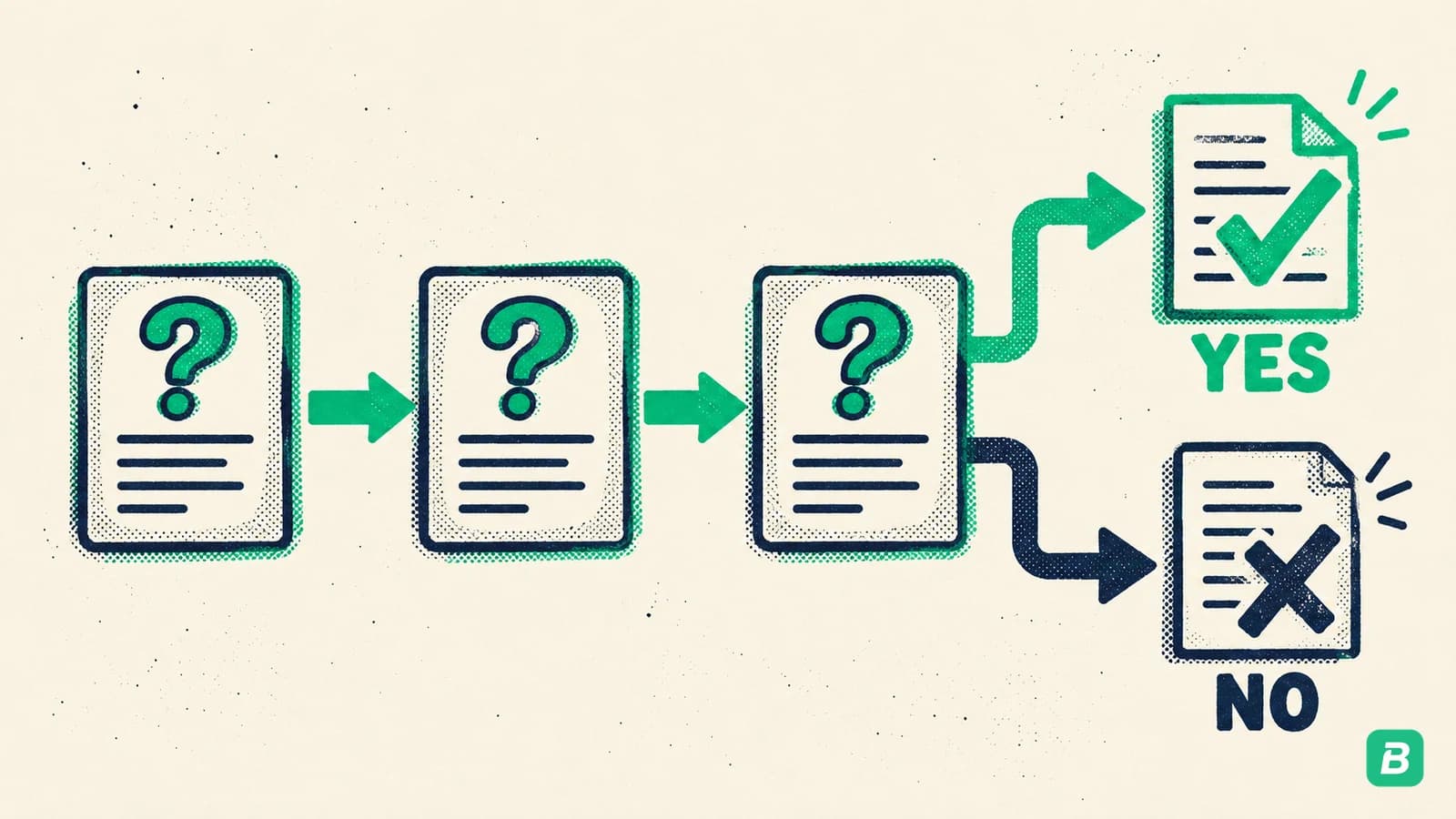
1. Is my problem data entry and organisation? → You need bookkeeping (AI tool or human bookkeeper)
2. Is my problem tax strategy or compliance? → You need an accountant
3. Is my problem that my accountant's bill is huge because they are organising my receipts? → You need bookkeeping first, then accounting becomes cheaper
4. Am I earning under $30K/year from self-employment? → AI bookkeeping + basic tax filing (potentially DIY with CRA's free software, or $500–$1,000 for a simple accountant visit)
5. Am I earning $50K–$200K and considering incorporation? → AI bookkeeping + advisory accountant (the incorporation decision alone justifies the cost)
6. Am I already incorporated with employees? → AI bookkeeping + full-service accountant (payroll, T4s, corporate returns)
How AI Changes the Equation
The traditional choice was binary: do your bookkeeping yourself (free but time-consuming) or hire a bookkeeper (reliable but expensive). AI bookkeeping has created a third option that combines the cost savings of DIY with the consistency of a professional.
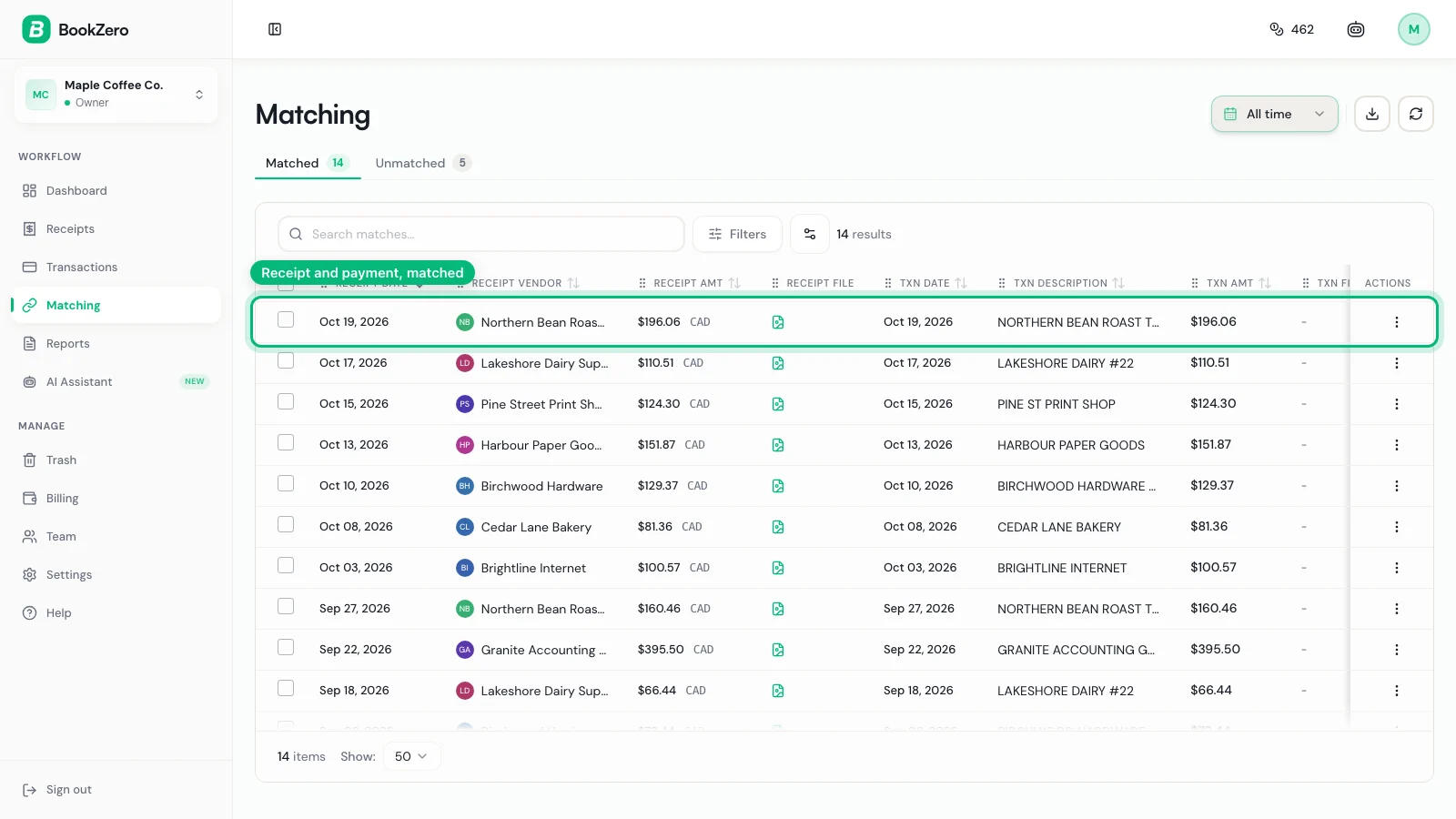
Here is what AI bookkeeping handles well:
- Receipt scanning: Photograph a receipt, get accurate data extraction regardless of format
- Categorisation: Automatic mapping to CRA T2125 categories
- Tax separation: Identifying GST/HST/PST on every receipt
- Reconciliation: Matching bank transactions to receipts
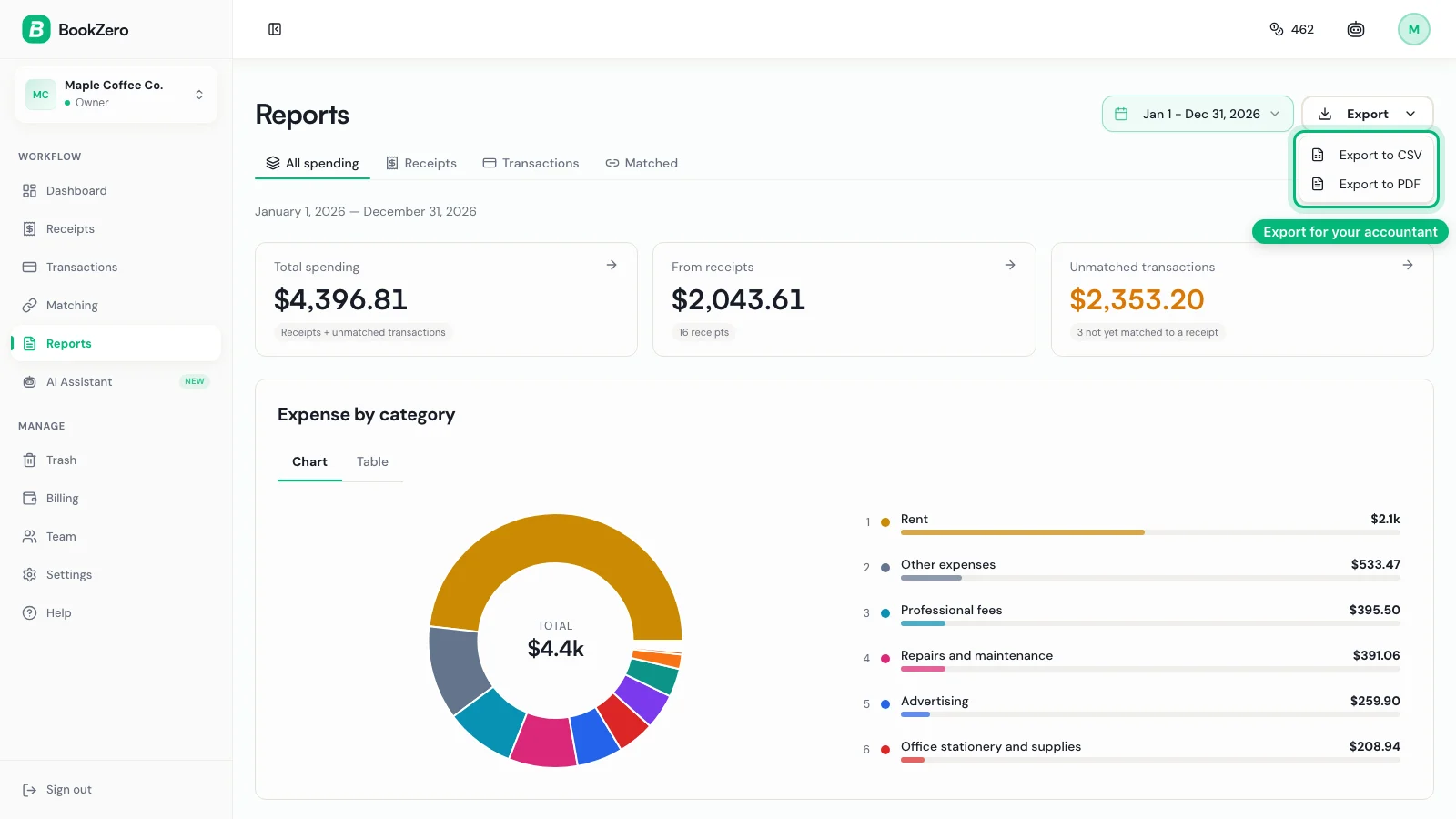
- Report generation: Tax-ready summaries by category and period
Here is what AI cannot do (and what your accountant handles):
- Tax judgments: Should this dinner be 50% or 100% deductible?
- Strategic decisions: Is it time to incorporate?
- CRA compliance: Filing returns, responding to audits
- Complex scenarios: Partnership allocations, inter-company transactions
- Professional sign-off: Your return needs a human responsible for it
The key insight: BookZero replaces the bookkeeper, not the accountant. It gives your accountant clean, organised, tax-ready data — which means your accountant spends less time on data cleanup and more time on strategy. That is where their expertise matters.
The Handoff: How Bookkeeping and Accounting Work Together
In practice, here is how the workflow looks for a Canadian small business using AI bookkeeping with an accountant:
Throughout the year (bookkeeping — automated):
- Scan receipts as they come in
- AI categorises and files them
- Bank transactions are imported and matched
- GST/HST is tracked automatically
- Quarterly reports are generated
At tax time (accounting — human):
- Export your organised data to your accountant
- Accountant reviews categories and flags questions
- Accountant handles year-end adjustments
- Accountant files your T2125 and personal return
- Accountant advises on next year's strategy
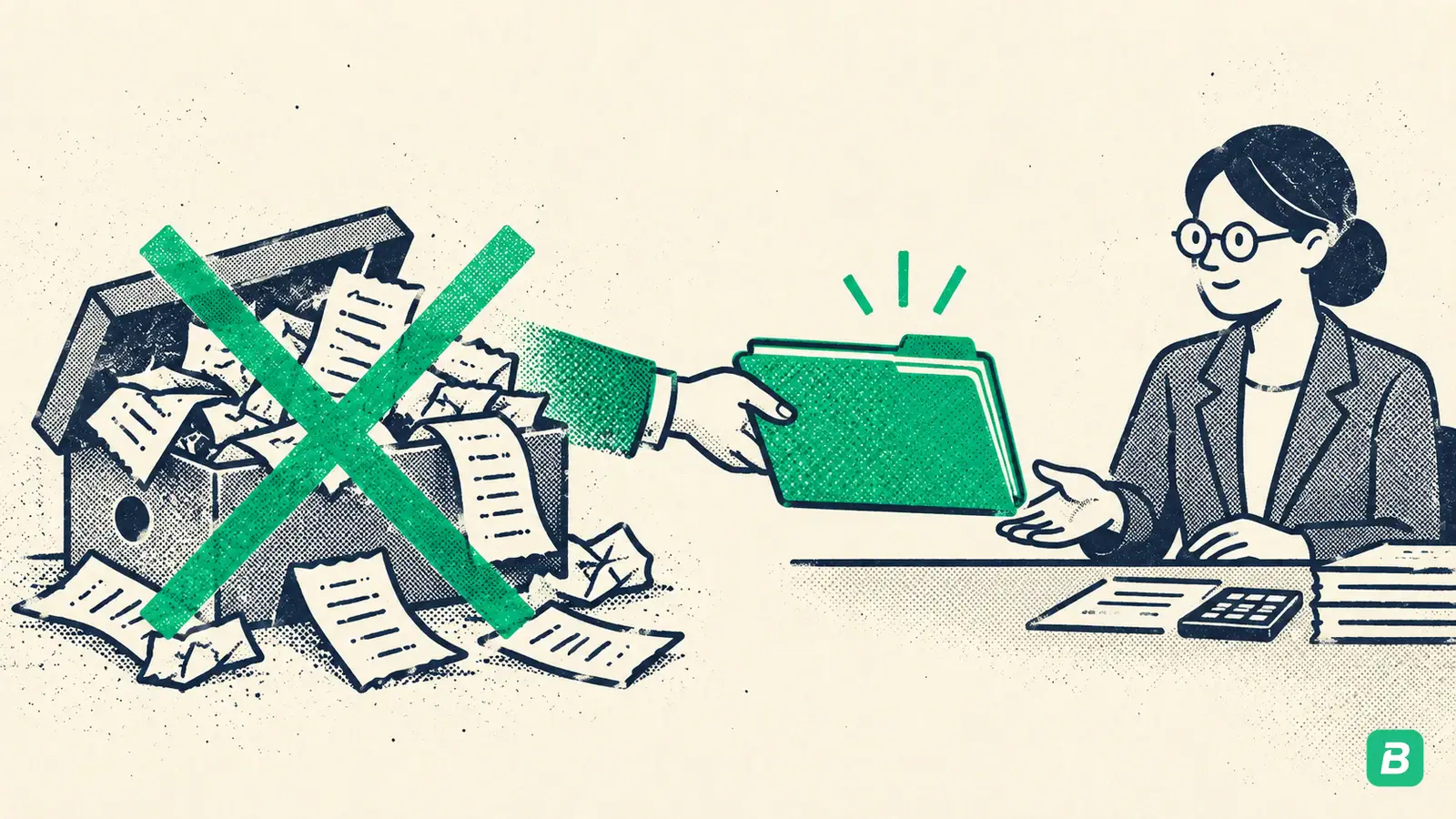
The result: Your accountant gets clean data instead of a shoebox. Their bill drops because they are not paying $200/hour to do data entry. You get better advice because they spend their time on strategy instead of cleanup.
Common Mistakes to Avoid
Mistake 1: Hiring an accountant to do bookkeeping Accountants charge $150–$300/hour. Using them to categorise receipts is like hiring a surgeon to apply bandages. Get your bookkeeping sorted first (with AI or a dedicated bookkeeper), then bring in the accountant for what they are trained to do.
Mistake 2: Skipping the accountant entirely "I will just use TurboTax" works until it does not. One CRA reassessment, one missed deduction, or one poorly timed business decision can cost more than years of accountant fees. At minimum, have an accountant review your return annually.
Mistake 3: Waiting until tax time to start bookkeeping Reconstructing a year of transactions in April is painful, expensive, and error-prone. Bookkeeping is a daily habit, not an annual event. Learn why real-time bookkeeping matters.
Mistake 4: Paying a bookkeeper $800/month when you have 50 transactions If your transaction volume is low (under 200/month), a human bookkeeper is overkill. AI bookkeeping handles this volume easily at 1/50th the cost.
Mistake 5: Not giving your accountant clean data The number one complaint from Canadian accountants is receiving disorganised records. When they spend 10 hours sorting your receipts at $250/hour, that is $2,500 you could have saved with proper bookkeeping.
Frequently Asked Questions
Can a bookkeeper do my taxes?
In Canada, anyone can prepare a tax return — there is no legal requirement for a CPA. However, only a CPA can represent you before the CRA in an audit, provide assurance services, or sign off on audited financial statements. For a simple sole proprietor return, a bookkeeper with tax experience may be sufficient. For anything complex (incorporation, multiple revenue streams, CRA issues), use a CPA.
How do I find a good accountant in Canada?
Look for a CPA (Chartered Professional Accountant) through the CPA Canada directory. Prioritise accountants who specialise in small business and self-employed clients. Ask about their experience with your industry, their pricing structure (flat fee vs hourly), and whether they offer advisory services beyond basic filing. A good accountant should save you more than they cost.
Is AI bookkeeping accurate enough to replace a human bookkeeper?
Modern AI bookkeeping handles receipt scanning and categorisation reliably enough to replace most manual data entry (which has a typical error rate of 2–5%). The key advantage is consistency: AI does not get tired, skip receipts, or forget to categorise expenses. For the remaining edge cases, most AI tools flag uncertain items for human review. See our AI bookkeeping deep dive for how the review step works.
Do I need both a bookkeeper AND an accountant?
Most Canadian small businesses need bookkeeping services (daily/weekly recording) and accounting services (periodic tax and strategy work). Whether you need separate professionals for each depends on your volume and complexity. The most cost-effective approach in 2026: use an AI bookkeeping tool for the recording work, and a CPA for annual tax filing and strategy. This gives you both services at a fraction of the traditional cost.
When should I switch from DIY bookkeeping to a tool or professional?
Switch when any of these are true: you are spending more than 2 hours per week on bookkeeping, you have missed deductions because of disorganisation, your accountant has complained about your records, or you are earning enough that your time is worth more than the tool costs. At $29/month, AI bookkeeping pays for itself if it saves you even an hour per month — which it almost certainly will.
The Bottom Line
The difference between bookkeeping and accounting is not academic — it determines where you spend your money and who you hire. Get it right and you save thousands per year while staying fully compliant with the CRA. Get it wrong and you overpay for data entry while underpaying for strategy.
For most Canadian small businesses in 2026, the optimal setup is:
- AI bookkeeping for daily transaction recording (from ~$29/month)
- A good CPA for annual tax filing and strategic advice (~$2,000–$4,000/year)
The bookkeeper has been automated. The accountant has not. Invest accordingly.
Try BookZero free — automate your bookkeeping so your accountant can focus on saving you money



Eric Tech· Founder, BookZero.ai
Founder of BookZero. Building AI-powered bookkeeping tools for US and Canadian freelancers and small businesses.
View all postsStay ahead of tax season
Tax tips, deduction strategies, and feature announcements straight to your inbox. No spam, unsubscribe anytime.