What Is Bookkeeping? Why Canadian Small Businesses No Longer Need an Accountant for It
What bookkeeping actually means, what a bookkeeper does, and why AI tools like BookZero now handle the work that used to cost $400-$1,200/month — for Canadian small businesses.
 Eric Tech·Apr 20, 2026·Updated Sep 30, 2026·9 min read·
If you have ever Googled "what is bookkeeping" or "what does a bookkeeper do" — you are not alone. Most small business owners in Canada start their journey with zero accounting knowledge and a growing pile of receipts.
This guide explains what bookkeeping actually is, why it matters for your business, and why in 2026 you do not need to hire a bookkeeper to get it done.
Bookkeeping is recording every financial transaction your business makes. In Canada, it includes tracking GST/HST for input tax credits, categorizing expenses to CRA standards, and reconciling bank statements monthly. AI tools now do this automatically — what used to take a bookkeeper 8-15 hours per month takes minutes.
What Is Bookkeeping?
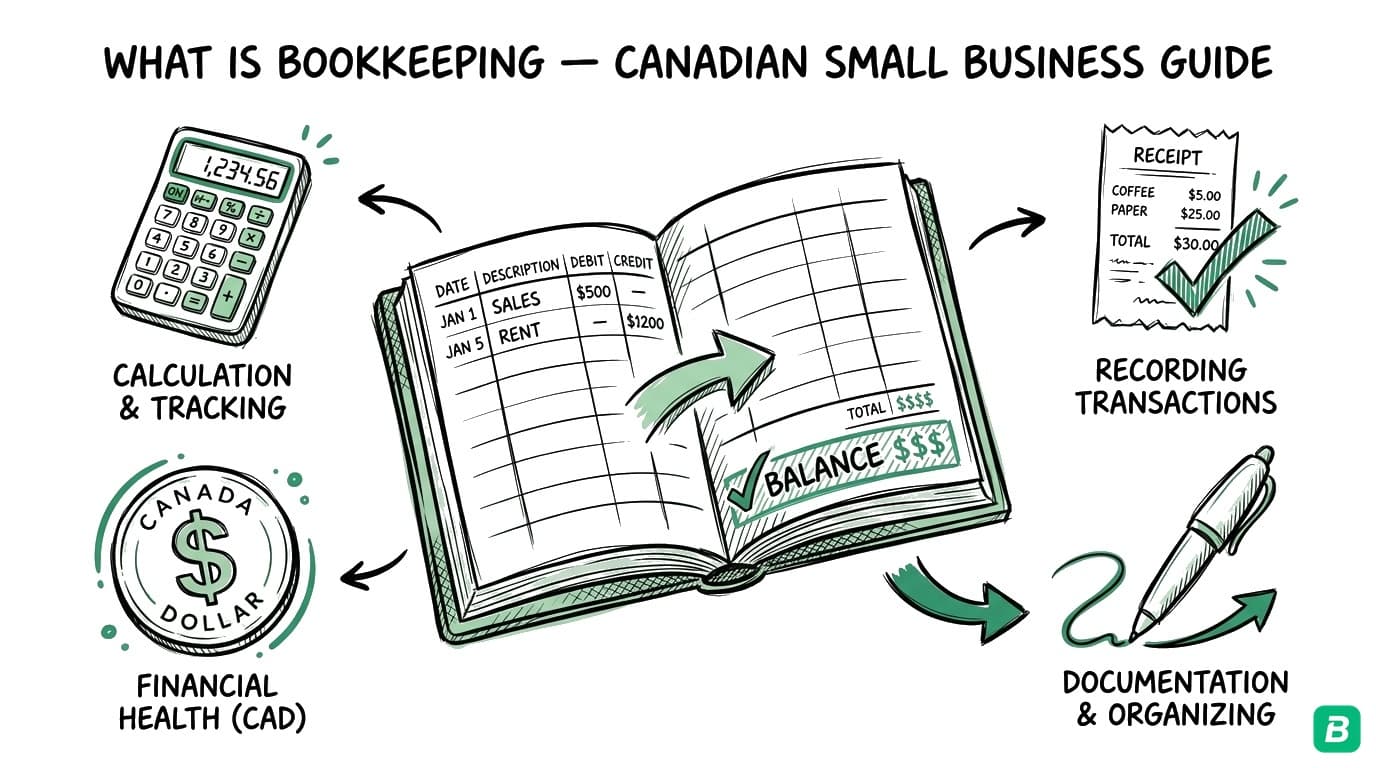
Bookkeeping is the process of recording, organising, and tracking every financial transaction your business makes. Every time you buy office supplies, receive a client payment, or pay a vendor — that is a transaction that needs to be recorded.
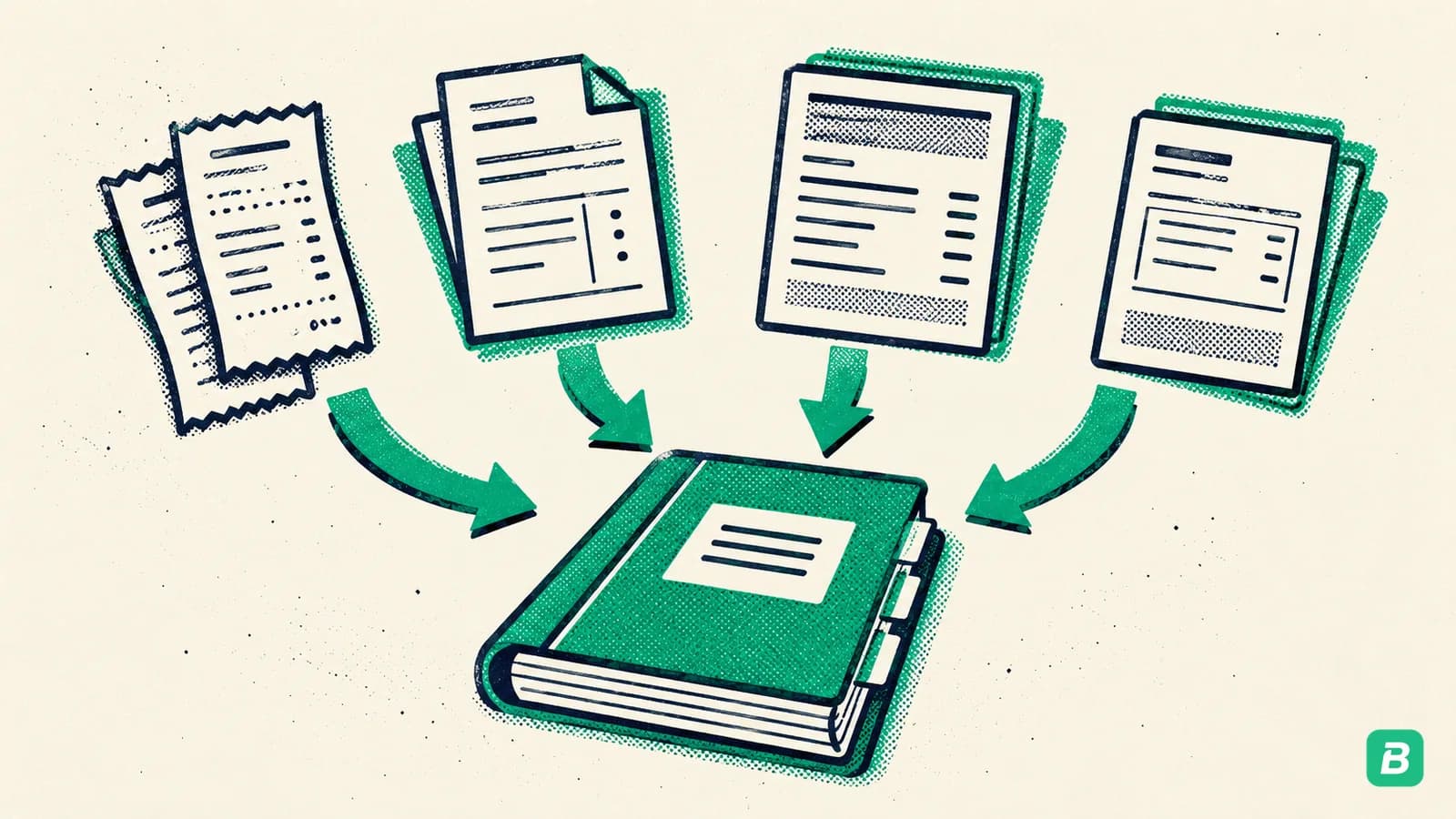
A bookkeeper's job is to make sure all of these records are accurate, up to date, and organised in a way that makes sense for tax reporting, financial planning, and business decisions.
In Canada, good bookkeeping means:
- Tracking every expense with a receipt as proof of purchase
- Categorising expenses into CRA-approved categories (office expenses, meals and entertainment, motor vehicle, etc.)
- Separating GST/HST paid on purchases so you can claim input tax credits
- Reconciling your bank statements with your records every month
- Preparing financial reports so you know how your business is actually performing
For decades, doing all of this required either hiring a bookkeeper or spending hours every week doing it yourself in a spreadsheet. That is no longer true.
What Does a Bookkeeper Do — and What Used to Take Hours
Traditionally, a bookkeeper would:
- Collect all your receipts (physical and digital)
- Manually enter each one into accounting software — date, vendor, amount, category, tax
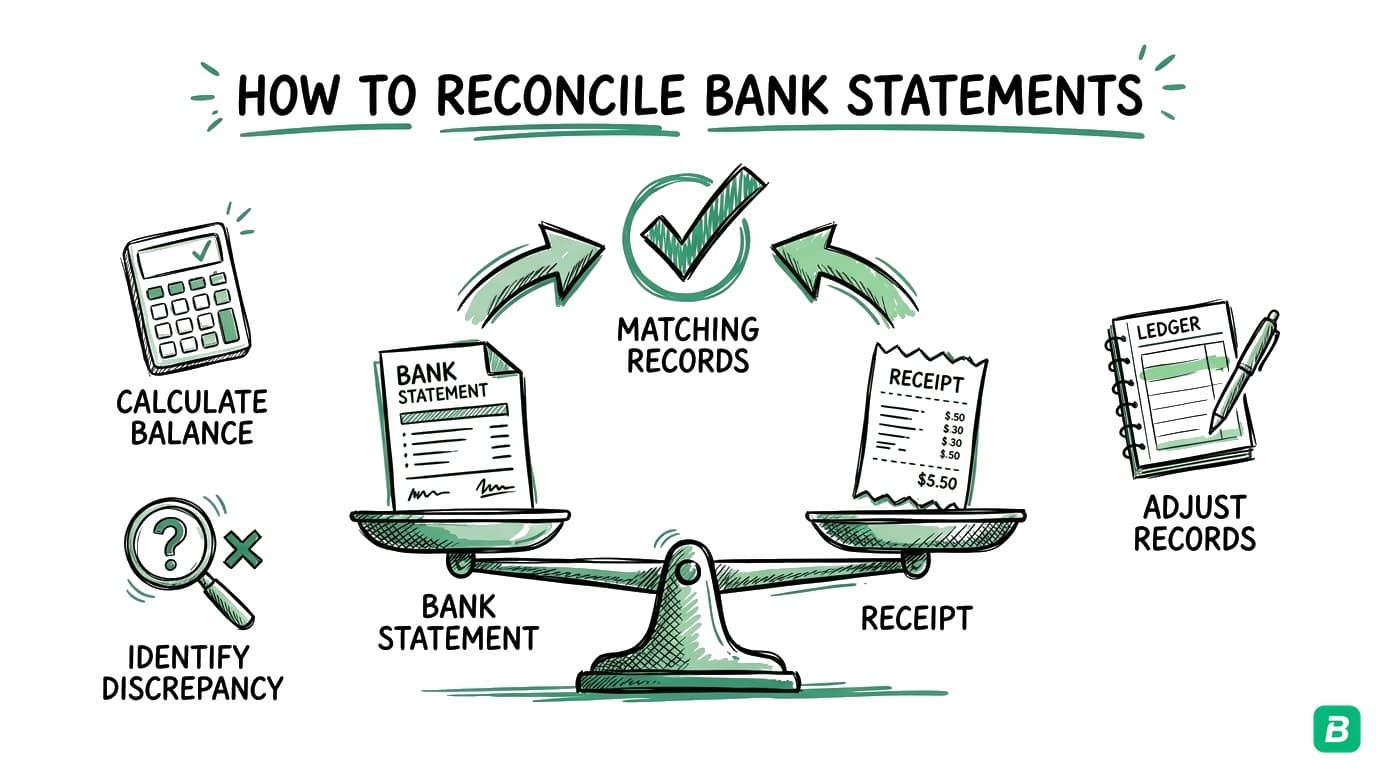
- Import your bank statements and match each transaction to a receipt
- Reconcile discrepancies
- Generate monthly reports — expenses by category, tax summary, profit and loss
- Prepare files for your accountant at tax season
For a small business doing 100 to 200 transactions per month, this could easily take 8 to 15 hours per month. At $40 to $80 per hour for a bookkeeper, that is $400 to $1,200 per month just to keep your records clean.
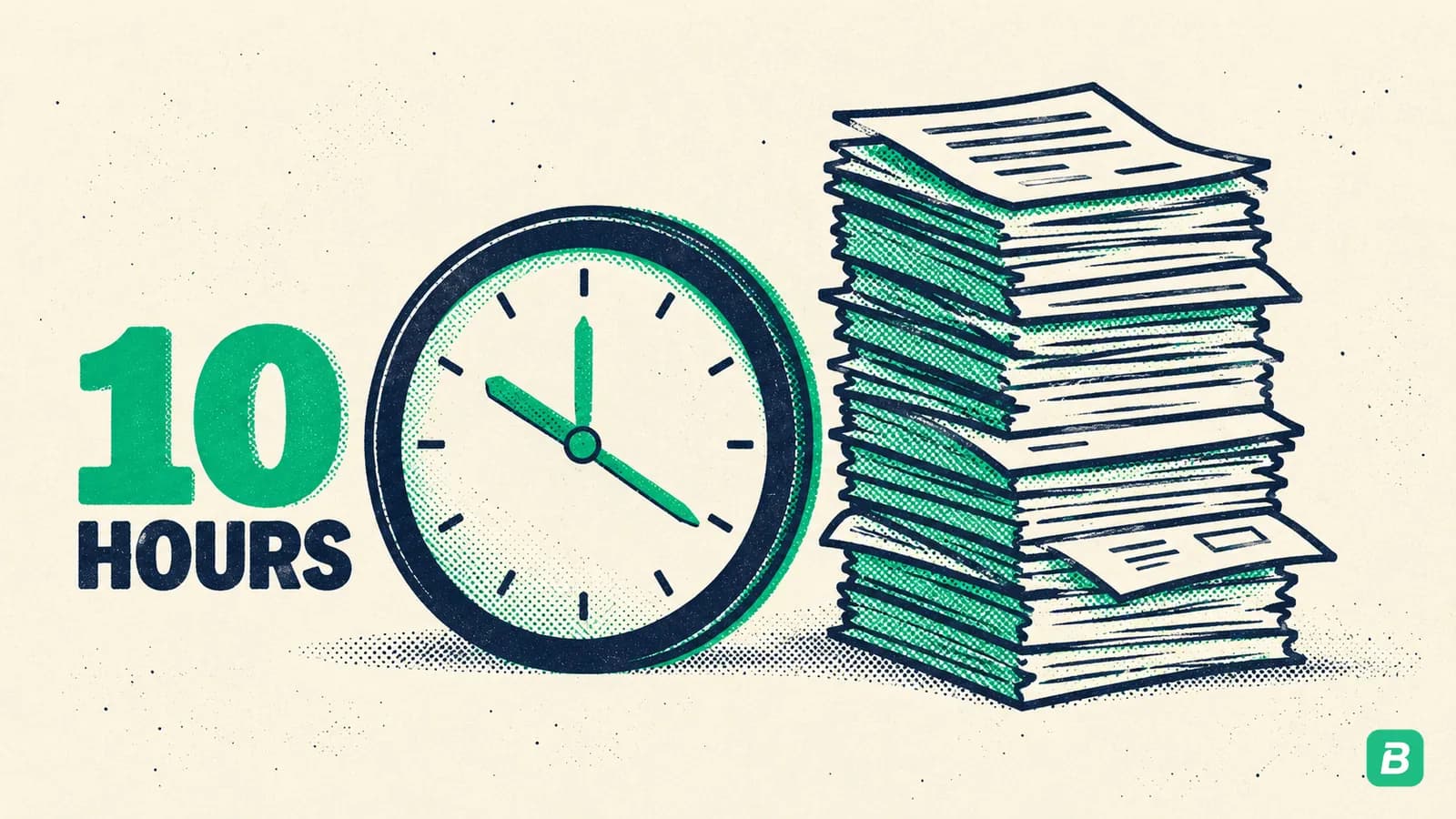
A sole proprietor with 150 transactions per month spending 10 hours on bookkeeping at $50/hour pays $6,000 per year — before their accountant even touches the files at tax time. That is money most small businesses cannot afford to waste.
Why Canadian Businesses Specifically Need Clean Bookkeeping
Canada has a more complex tax structure than most small business owners realise when they start out.
If your business earns more than $30,000 in revenue in four consecutive quarters, you are required to register for GST/HST. Once registered, you collect tax from customers and remit it to the CRA — but you also get to claim back the GST/HST you paid on business expenses as input tax credits (ITCs).
This means every receipt matters. Every coffee meeting, every office supply run, every software subscription — if it has GST/HST on it and it is a legitimate business expense, you can claim it back.
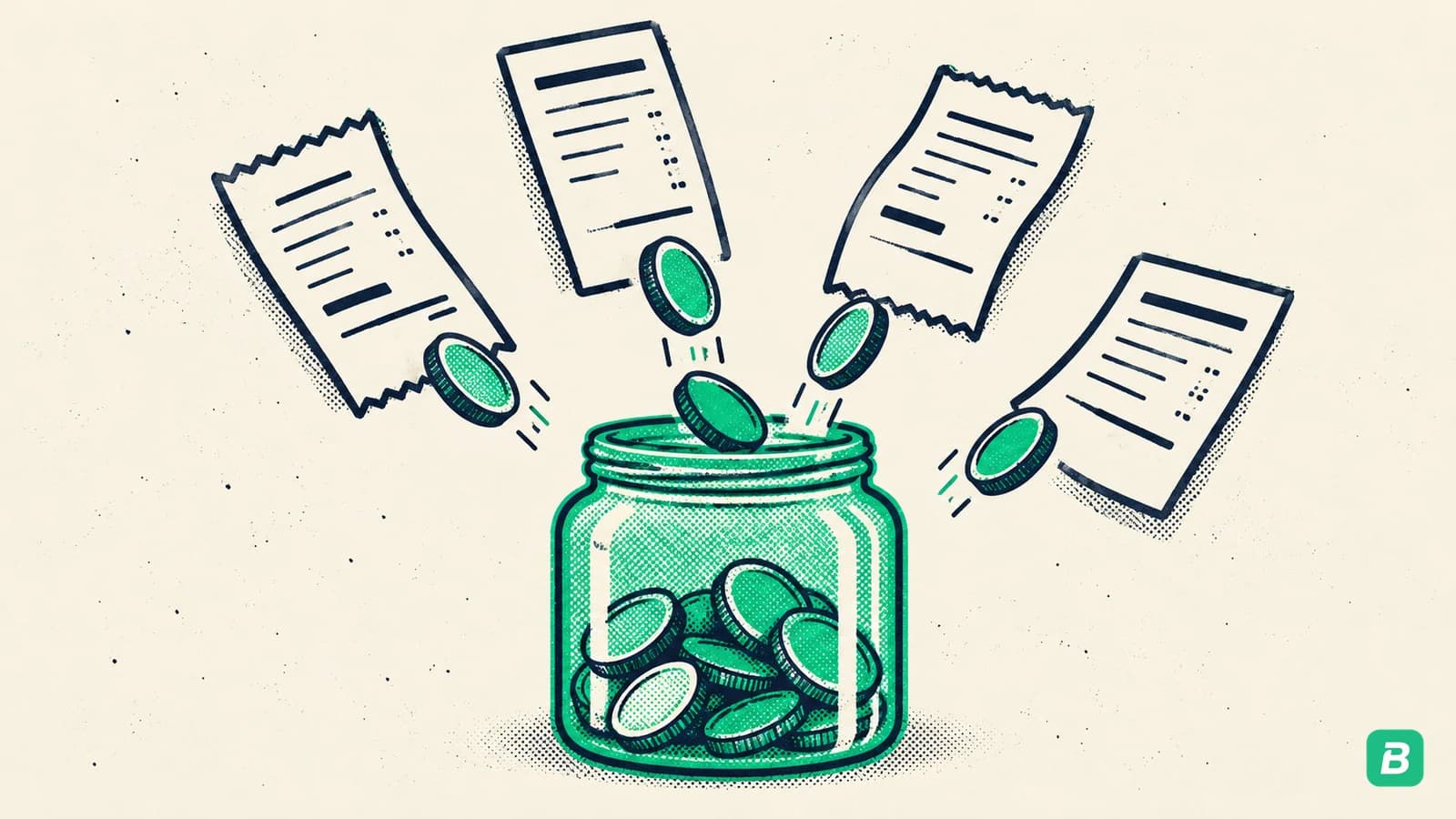
Most small business owners in Canada leave thousands of dollars in unclaimed ITCs on the table every year simply because they do not have a system to track them. For the complete list of deductions you might be missing, see our tax deductions guide.
You Do Not Need a Bookkeeper Anymore — BookZero AI Does It in Minutes
BookZero AI was built specifically for Canadian small businesses who want clean, accurate books without hiring a bookkeeper.
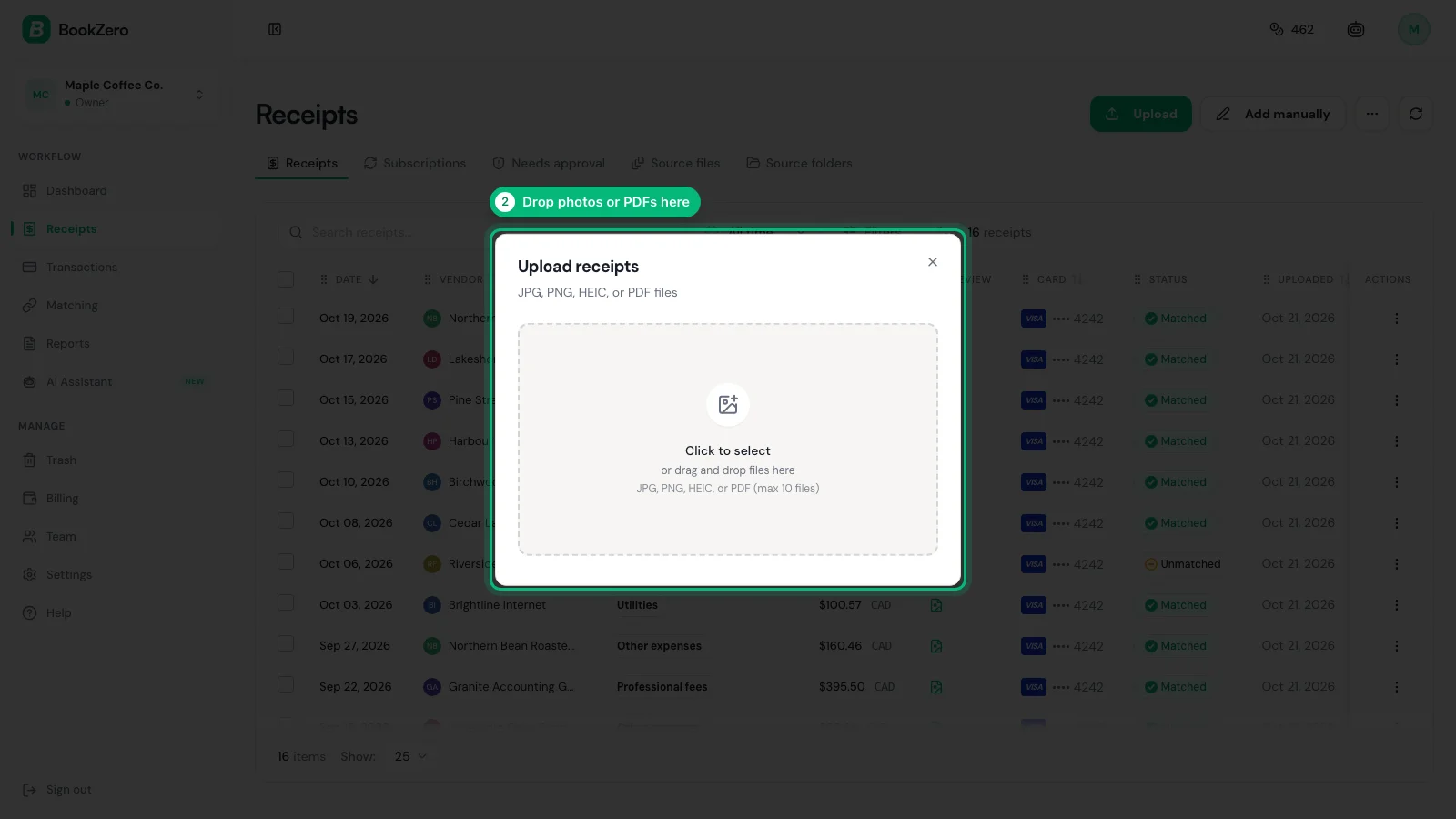
Here is what happens when you upload a receipt to BookZero:
Step 1 — Upload in seconds. Take a photo of your receipt or drag the file from your computer. You can also import receipts from a shared Google Drive folder.
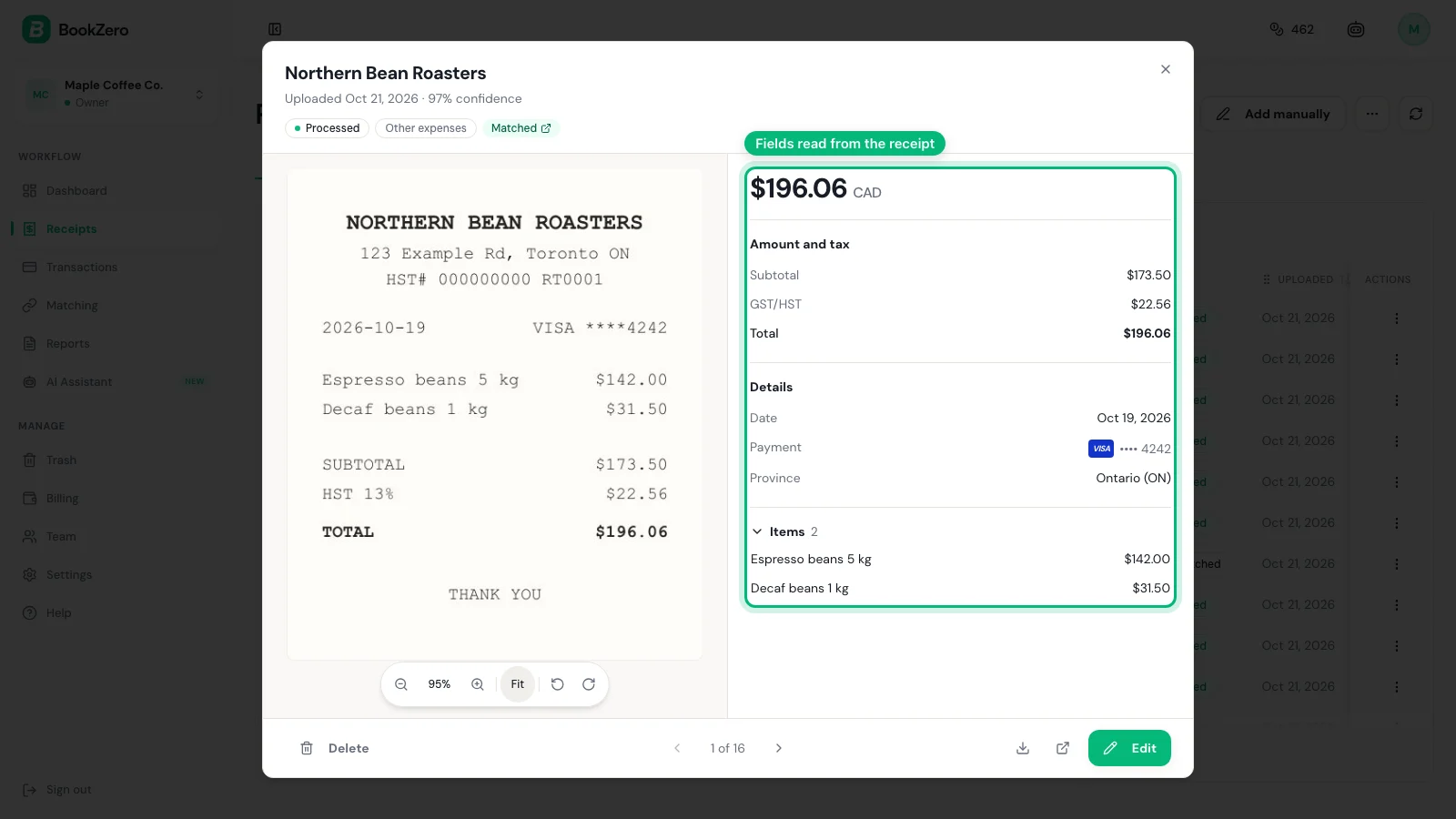
Step 2 — AI extracts everything automatically. Within seconds, BookZero's AI reads your receipt and extracts:
- Vendor name
- Invoice date and time
- Total amount and subtotal
- GST/HST/PST — auto-detected by province (no manual entry ever)
- Expense category (mapped to CRA categories)
You review the fields instead of typing them. For a deeper look at how AI receipt scanning works versus traditional OCR, see our AI receipt scanning comparison.
Step 3 — Receipts are matched to your bank transactions. Import your bank statement (CSV, Excel, or PDF from any Canadian bank — BMO, TD, RBC, Scotiabank, CIBC). BookZero automatically matches each receipt to the corresponding bank transaction. It shows you a confidence score, and lower confidence matches are flagged for your quick review.
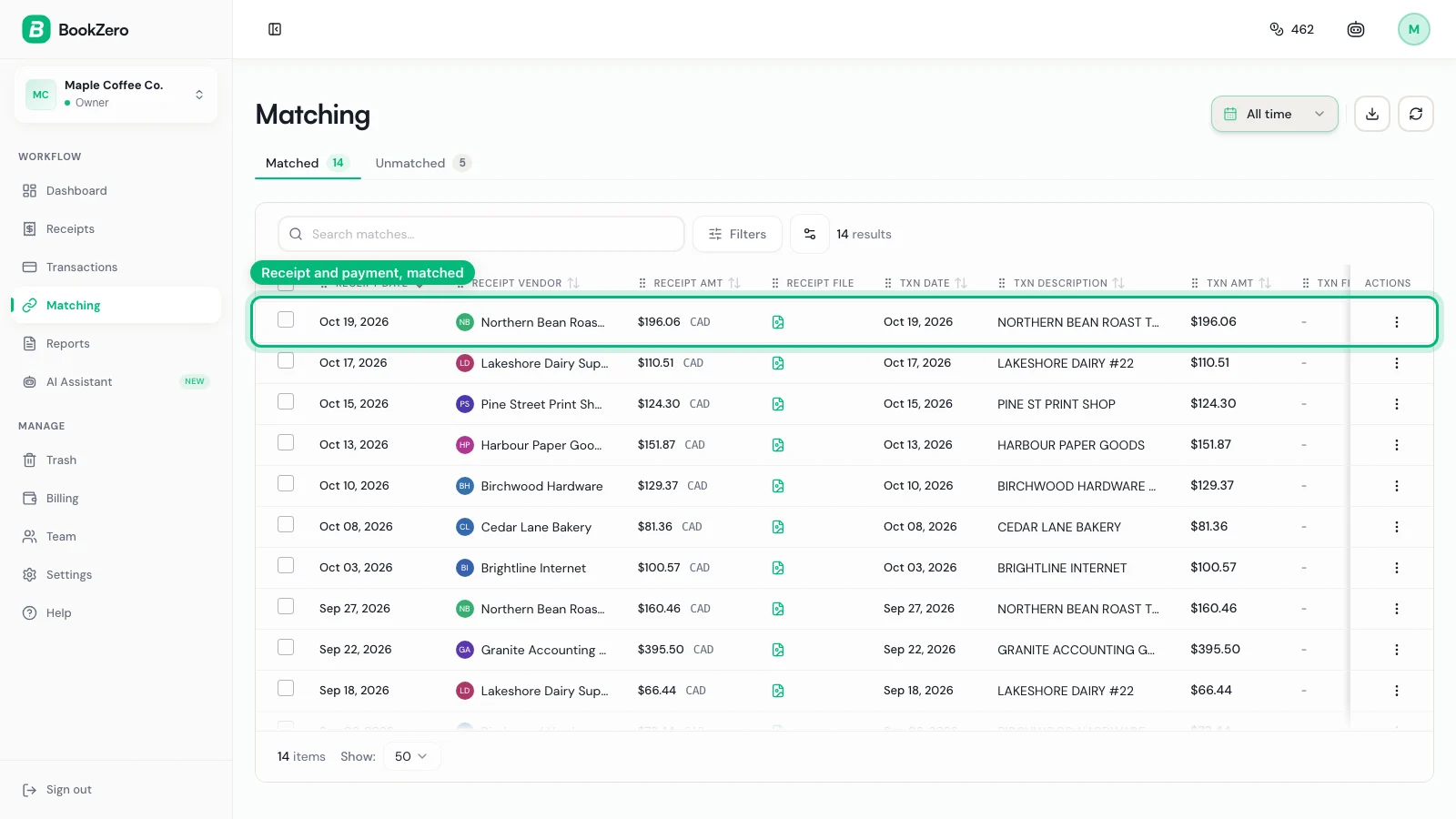
This is the reconciliation step that used to take a bookkeeper hours. BookZero does it in minutes.
Step 4 — Tax-ready report, ready for your accountant. When tax season arrives, export a complete tax summary:
- Total expenses by CRA category
- Total GST/HST paid (your input tax credits)
- Net HST position
- Receipt count and period summary
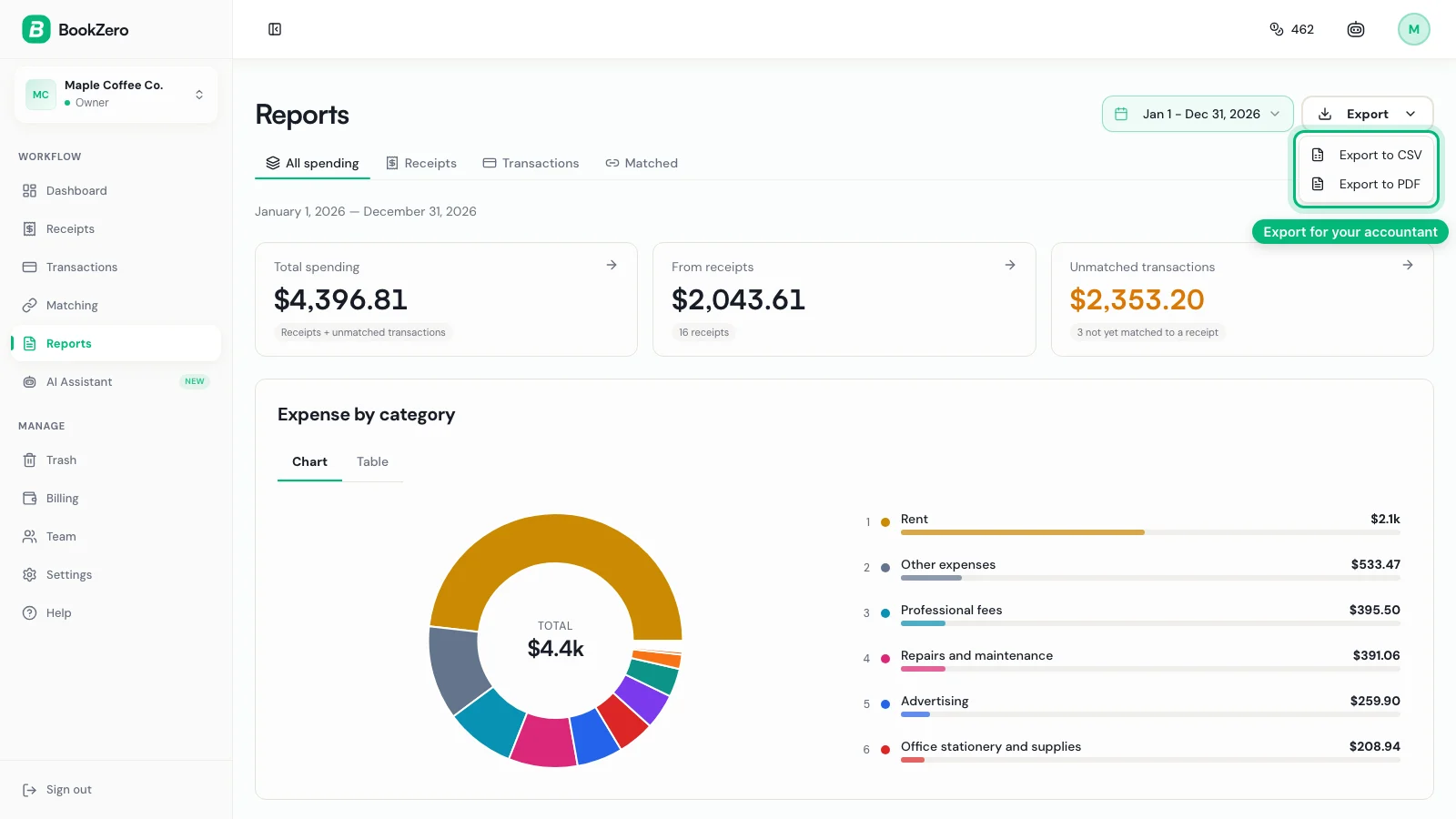
Your accountant gets a clean, organised file instead of a shoebox of receipts. For a full walkthrough of every feature, see How BookZero Works.
BookZero vs Hiring a Bookkeeper — the Real Comparison
| Traditional Bookkeeper | BookZero AI | |
|---|---|---|
| Monthly cost | $400-$1,200 | From $29/month, billed every 3 months |
| Time to process receipts | Days | Seconds |
| GST/HST detection | Manual entry | Automatic by province |
| Bank reconciliation | Manual matching | Auto-matched with confidence scores |
| Tax reports | Manual preparation | One-click export |
| Accountant access | Email back and forth | Invite as read-only viewer |
| Available 24/7 | No | Yes |
| Annual cost (150 txns/month) | $4,800-$14,400 | $348-$708 |
Who BookZero Is Built For
- Freelancers and consultants who invoice clients and need to track expenses for tax deductions
- Sole proprietors registered for GST/HST who need to claim input tax credits
- Small retail and food businesses with high receipt volumes
- Tradespeople and contractors who need to track vehicle, tools, and supply expenses
- Gig workers driving for Uber or DoorDash who need to separate personal and business expenses
- Anyone who has ever dreaded tax season because their records were a mess
If you are brand new to bookkeeping, read our complete bookkeeping guide for Canadian small businesses for a full overview. If you want to understand the difference between bookkeeping and accounting, see our bookkeeping vs accounting comparison.
Frequently Asked Questions
What is the difference between bookkeeping and accounting?
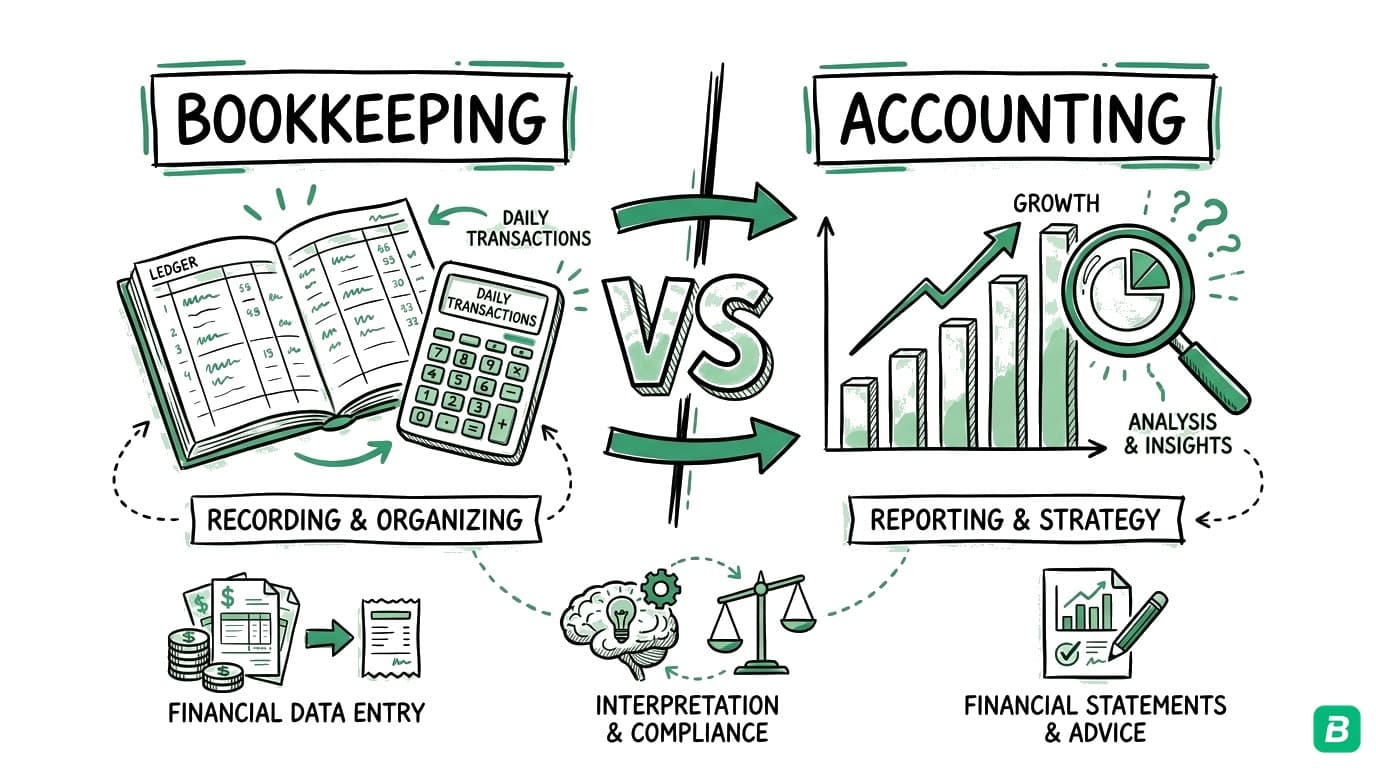
Bookkeeping is recording and organizing financial transactions — the day-to-day tracking of receipts, expenses, and bank statements. Accounting is the interpretation of that data: financial analysis, tax strategy, auditing, and compliance reporting. You need bookkeeping before accounting can happen. For a full breakdown, see our bookkeeping vs accounting guide.
How much does a bookkeeper cost in Canada?
A bookkeeper in Canada typically charges $40 to $80 per hour. For a small business with 100 to 200 transactions per month, that works out to $400 to $1,200 per month or $4,800 to $14,400 per year. AI bookkeeping tools like BookZero start at $29 per month on the 3-month plan.
Do I still need an accountant if I use BookZero?
Yes — but only for tax strategy and filing, not for daily bookkeeping. BookZero handles receipt scanning, categorization, reconciliation, and report generation. Your accountant reviews the clean data BookZero produces and handles your tax return filing, tax planning, and CRA compliance.
Is digital bookkeeping accepted by the CRA?
Yes. The CRA accepts electronic records as long as they are readable, complete, and accessible for the required retention period (generally 6 years from the end of the last tax year they relate to). BookZero stores all receipt images and extracted data digitally, meeting CRA requirements.
How long do I need to keep my bookkeeping records in Canada?
The CRA requires you to keep business records for at least 6 years from the end of the last tax year they relate to. If you filed your 2025 return in April 2026, you must keep 2025 records until at least April 2032. This applies to receipts, bank statements, invoices, and all supporting documents.
Get Started — Free
BookZero AI offers a 7-day free trial with 50 credits to get started. Upload your first batch of receipts and see how much time you save before you are charged a cent.
No bookkeeper required. No spreadsheet required. Just upload, and let the AI do the bookkeeping.



Eric Tech· Founder, BookZero.ai
Founder of BookZero. Building AI-powered bookkeeping tools for US and Canadian freelancers and small businesses.
View all postsStay ahead of tax season
Tax tips, deduction strategies, and feature announcements straight to your inbox. No spam, unsubscribe anytime.