Credit Card Statement: How to Read It and Keep It
What is on a credit card statement, how to read balance, due date, charges and interest, how long to keep it for the IRS or CRA, and when it counts as proof.
 Eric Tech·Oct 21, 2026·8 min read·
A credit card statement is the monthly record your card issuer sends for one billing cycle. It lists every charge, payment, credit, fee and interest charge, plus the new balance, the minimum payment and the due date.
Read four things first: new balance, due date, charges, interest. For taxes, keep business card statements at least 3 years in the US and 6 years in Canada.
The statement proves you paid. The receipt proves what you bought. Keep both.
Jump to:
- Step 1: What's on it
- Step 2: Read it
- Step 3: Check charges
- Step 4: Use it as a record
- Step 5: Convert it
- Step 6: Keep it
Step 1: Know what's on a credit card statement
In the US, Regulation Z (12 CFR 1026.7) sets what a card statement must show. The main parts:
| Section | What it tells you |
|---|---|
| Previous balance | What you owed at the start of the cycle |
| Transactions | Each purchase, with date, merchant and amount |
| Payments and credits | What you paid and any refunds |
| Fees and interest | Charged this cycle, with year-to-date totals |
| Rates | Each APR and the balance it applies to |
| New balance and closing date | What you owe as of the cycle's last day |
| Payment due date | With the late fee and any penalty APR |
| Minimum payment warning | How long paying only the minimum would take |
| Billing error address | Where to dispute a charge |
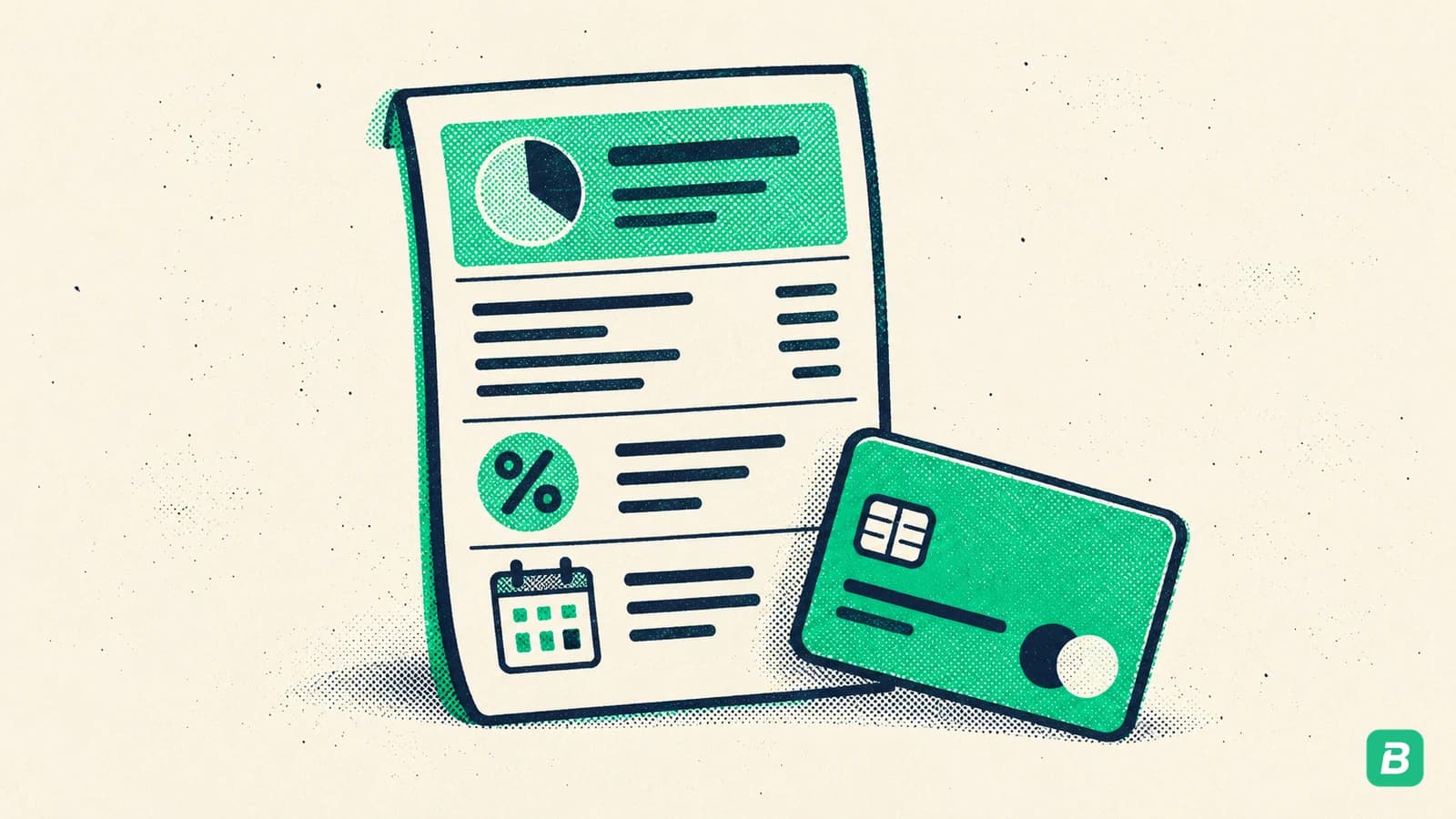
In Canada, the Financial Consumer Agency of Canada says your statement and card agreement must clearly show your interest rates.
Step 2: Read it in four places
Most of the page is detail. These four lines are where decisions get made:
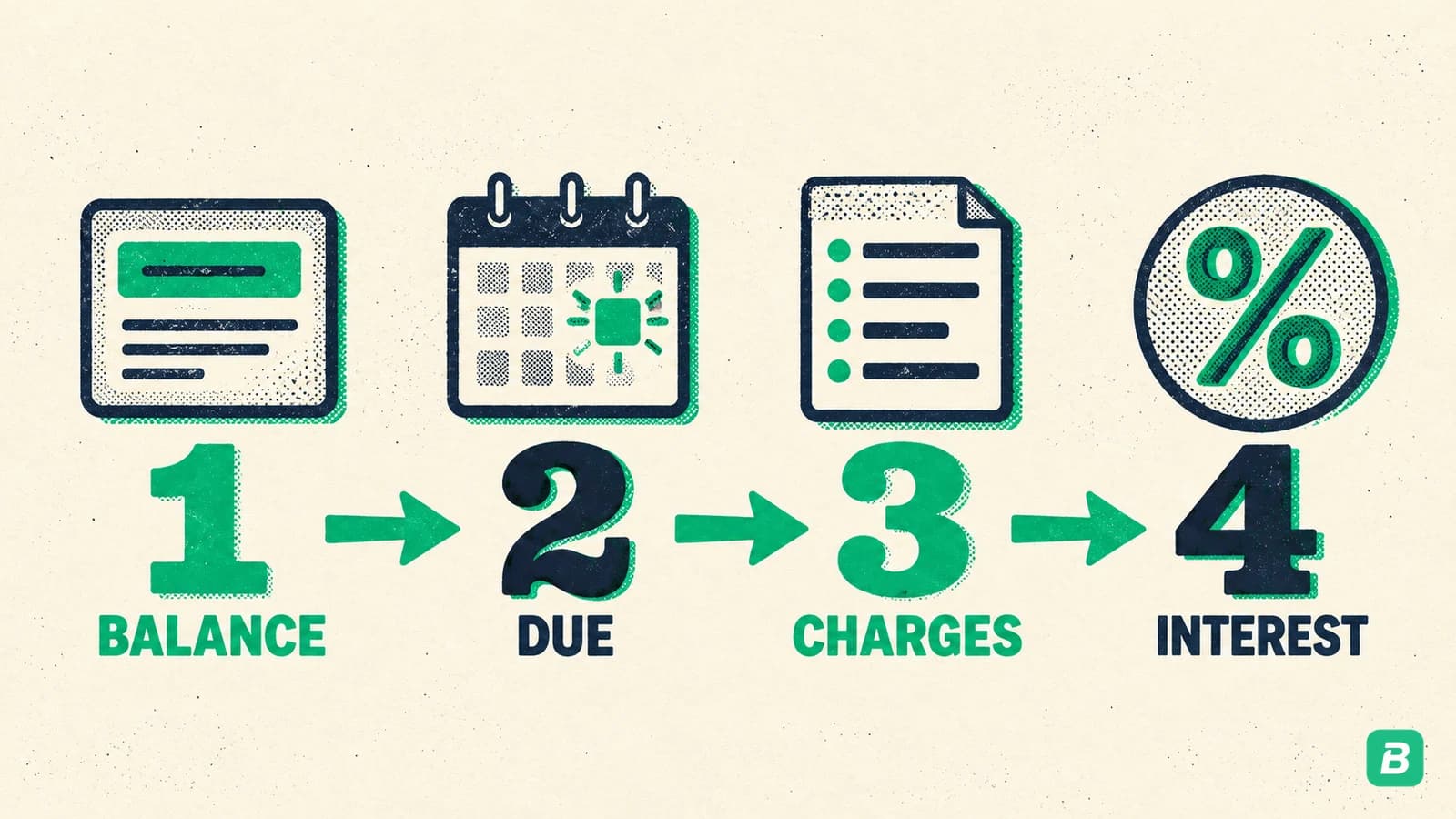
- New balance. The full amount owed on the closing date.
- Payment due date. The CFPB says issuers must mail or deliver the bill at least 21 days before the payment is due.
- Charges. Every line you need to check (Step 3).
- Interest. Pay the new balance in full by the due date and you generally pay no interest on purchases. That window is the grace period.
Pay less than the full balance and you can lose the grace period, so interest starts on the unpaid amount and on new purchases. The CFPB also notes cash advances usually have no grace period at all.
Canada has the same floor: the FCAC says federally regulated institutions must give a minimum 21-day grace period.
The bold box near the payment section is the Minimum Payment Warning. It shows how long the balance would take to clear at the minimum. Read it once; it's the most honest number on the page.
Step 3: Check every charge
Go down the transaction list once a month with your receipts beside it. Look for:
- A merchant name you don't know. Statement names are often shortened or show the payment processor. An
apple.com/billline, for example, can be several app and subscription purchases billed together; our Apple receipts guide shows how to trace it. - A charge twice. Same amount, same merchant, a day apart.
- A refund that never arrived. Check the credits section.
- A subscription you forgot. See our subscription tracking guide.
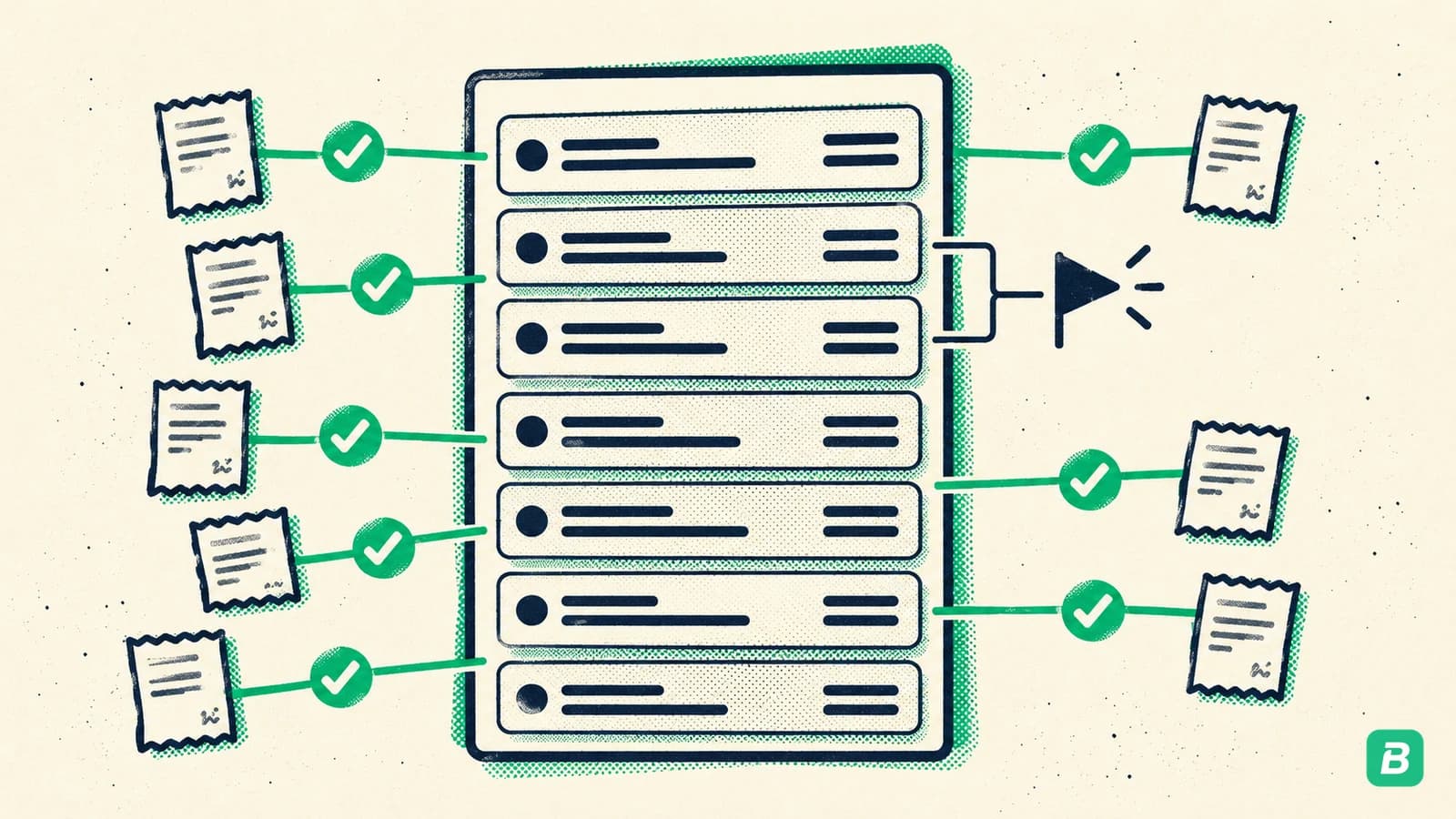
Something wrong? Use the billing error address printed on the statement and contact your issuer quickly.
Step 4: Use it as a business record
A card statement is real evidence, but only half of it. IRS Publication 583 accepts a credit card statement as proof of payment if it shows:
- the amount charged,
- the payee's name, and
- the transaction date.
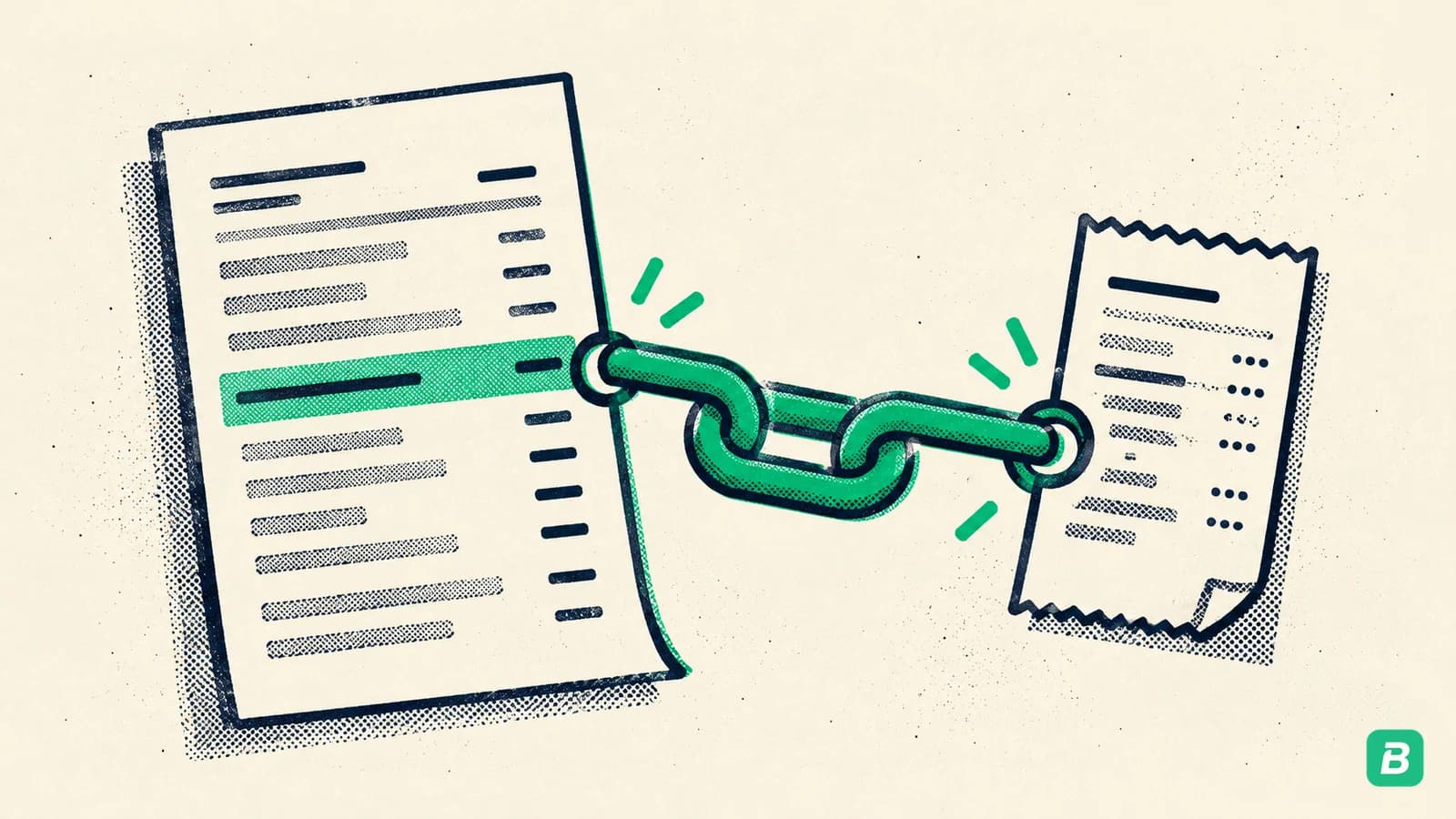
The same publication adds the catch: proof of payment of an amount, by itself, does not establish you are entitled to a tax deduction. You also need the receipt, sales slip or invoice that shows what you bought.
Use one card for business only. Publication 583 says to keep your business account separate from your personal one, and a business-only card turns the statement into a clean list of business costs.
Step 5: Turn the PDF into a spreadsheet
Statements arrive as PDFs. To work with the lines, convert them.
The free bank statement converter takes PDF statements from bank accounts and credit cards, plus JPG or PNG photos. It returns one row per transaction with date, description, amount and category, as Excel or CSV.
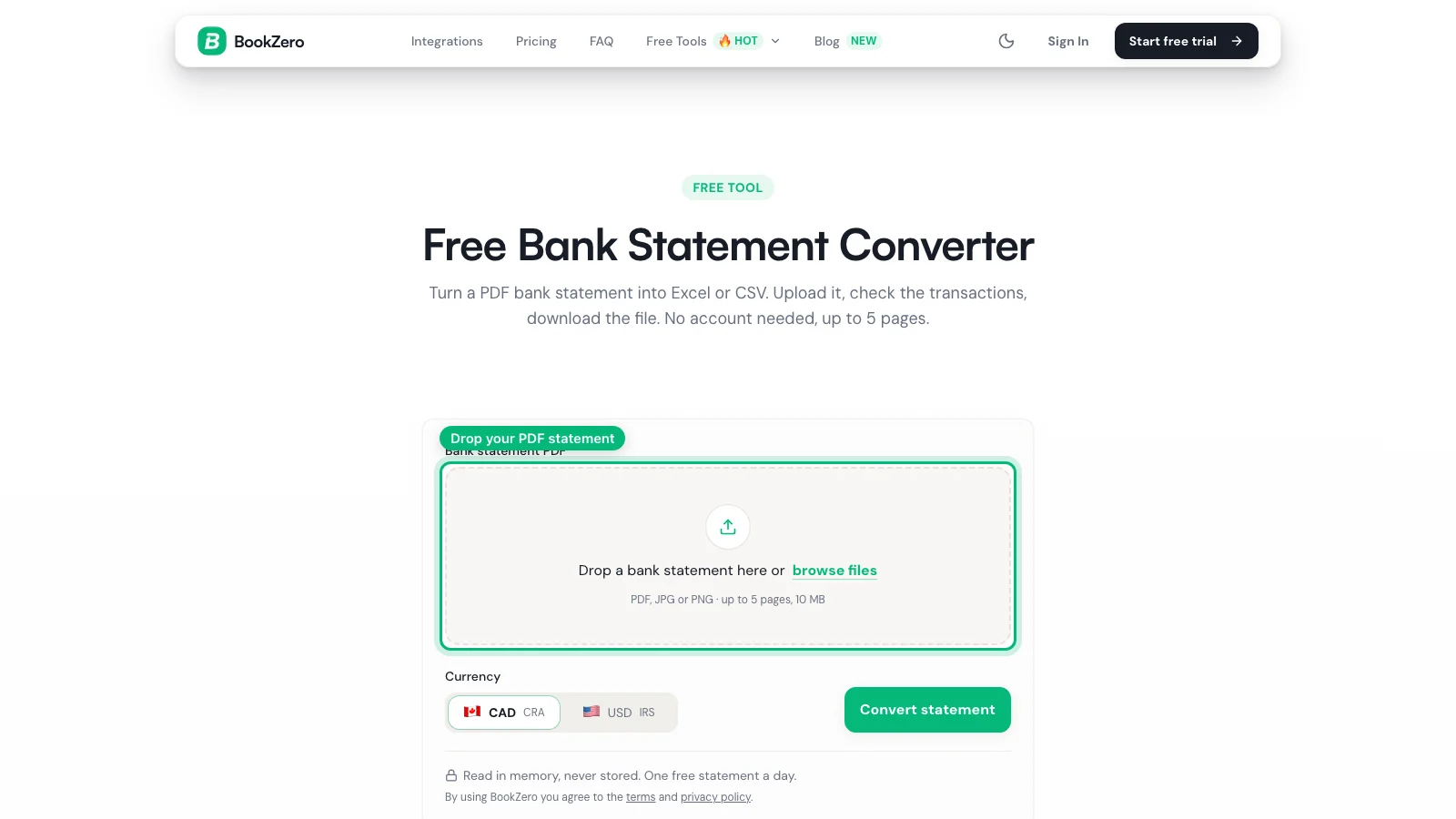
Limits: one statement a day without an account, up to 5 pages and 10 MB. The file isn't stored. Check the preview against your statement before you use the file.
Doing this every month? In a BookZero account you import the statement instead, and each card charge waits for its receipt.
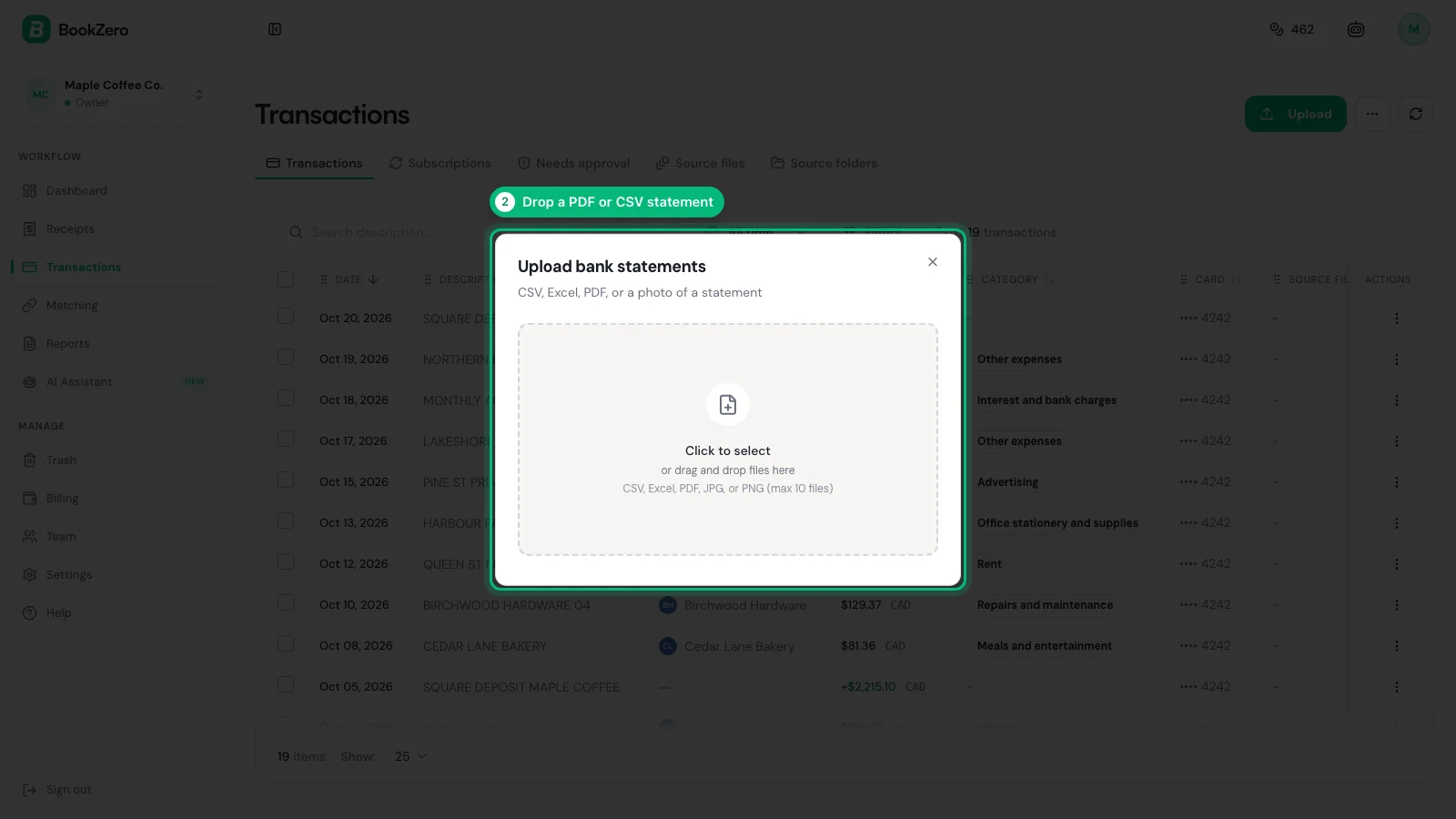
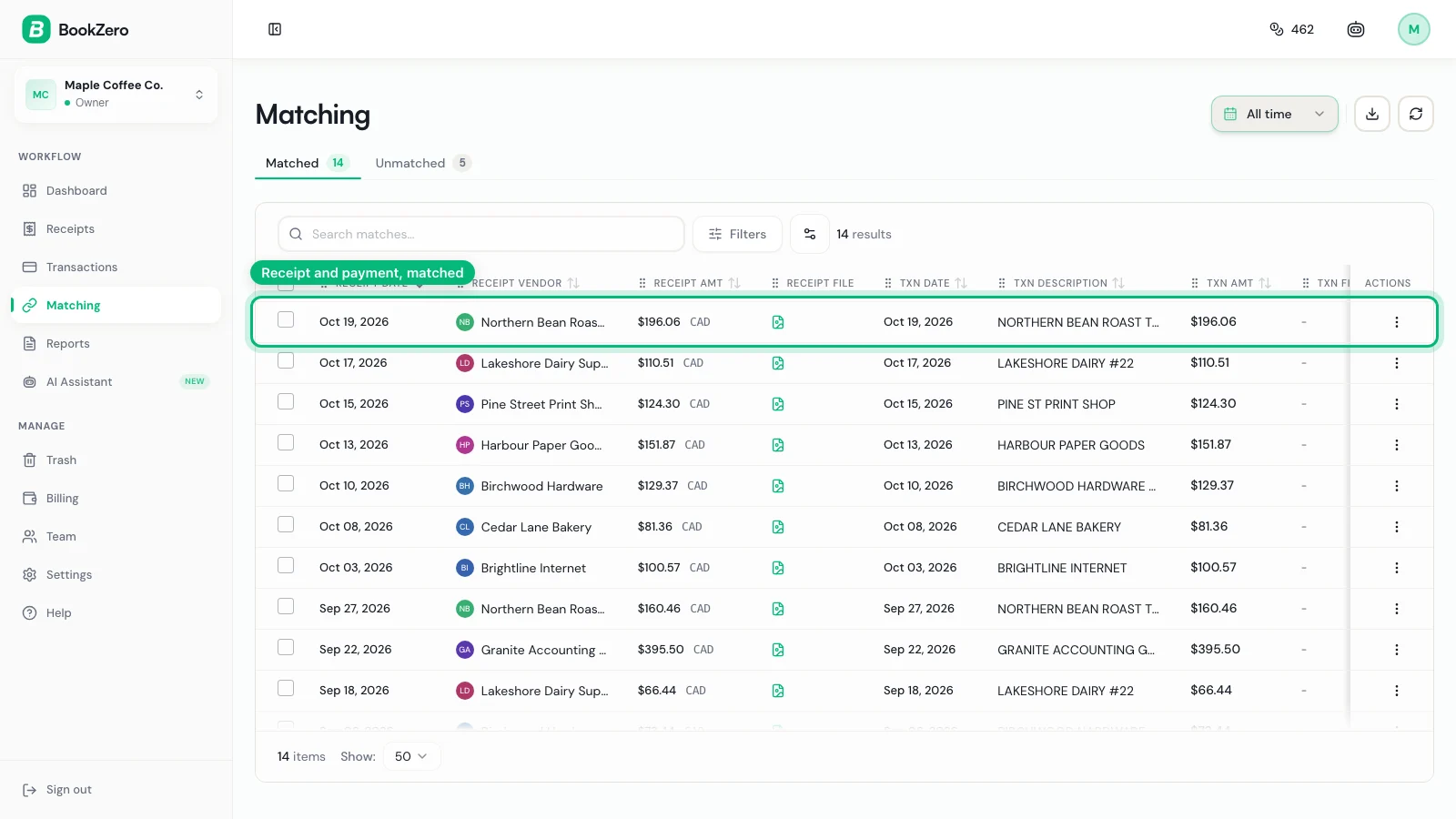
When you pay the card from your bank account, BookZero reads that payment as a transfer between your own accounts, so the bill payment isn't counted as a second expense.
Import your card statement and match each charge to its receipt in BookZero.


Step 6: Keep it long enough
United States. From the IRS records page:
| Situation | Keep for |
|---|---|
| Most cases | 3 years |
| Employment tax records | 4 years |
| Income left off worth more than 25% of what you reported | 6 years |
| Bad debt or worthless securities claim | 7 years |
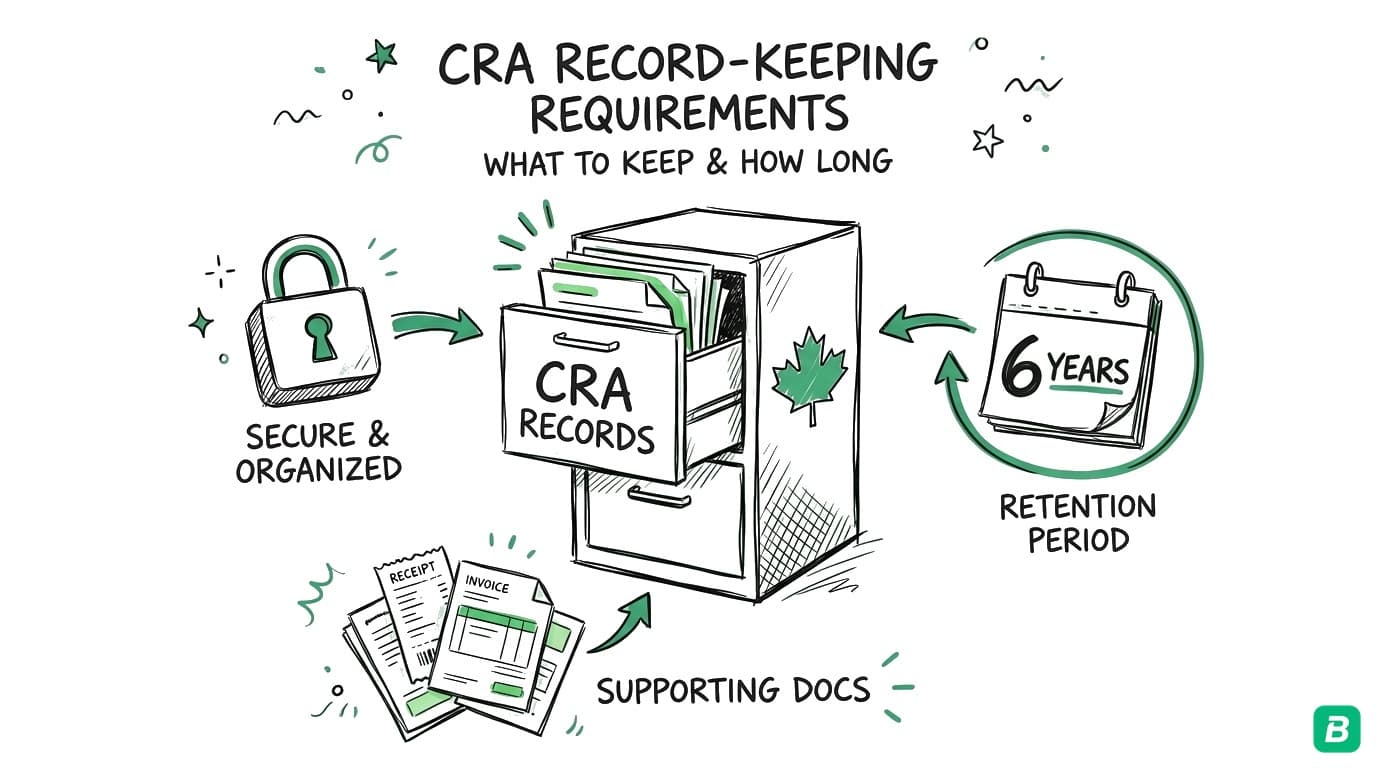
Canada. The CRA says to keep records and supporting documents for six years from the end of the last tax year they relate to (CRA record retention). Our CRA record-keeping guide has the rest.
Download each PDF and save it with your books, so you're not relying on the issuer's website years later. Publication 583 also asks that statements be highly legible.
For how statements fit the rest of your books, see the small business bookkeeping guide.
Frequently Asked Questions
What is a credit card statement?
It is the monthly record your card issuer sends for one billing cycle. It lists your previous balance, every purchase, payment, credit, fee and interest charge, and shows the new balance, minimum payment and payment due date.
How do I read a credit card statement?
Start with the new balance and the payment due date, then check each charge in the transaction list against your receipts, and finish with the interest and fee totals. Paying the full new balance by the due date generally avoids interest on purchases.
Is a credit card statement enough proof for taxes?
No. IRS Publication 583 accepts a card statement as proof of payment if it shows the amount, the payee and the date, but says proof of payment alone does not establish a deduction. Keep the receipt or invoice that shows what you bought.
How long should I keep credit card statements?
For US taxes, the IRS says 3 years in most cases and longer in some, such as 6 years if more than 25 percent of income was left off. In Canada, the CRA asks for six years from the end of the tax year they relate to.
Can I convert a credit card statement to Excel?
Yes. The free BookZero bank statement converter reads PDF statements from bank accounts and credit cards and returns date, description, amount and category as Excel or CSV, one statement a day without an account, up to 5 pages.
How many days do I have to pay a credit card bill?
In the US, the CFPB says the bill must be mailed or delivered at least 21 days before the payment is due. In Canada, the FCAC says federally regulated institutions must give a grace period of at least 21 days.

Eric Tech· Founder, BookZero.ai
Founder of BookZero. Building AI-powered bookkeeping tools for US and Canadian freelancers and small businesses.
View all postsStay ahead of tax season
Tax tips, deduction strategies, and feature announcements straight to your inbox. No spam, unsubscribe anytime.