What Are Gross Receipts? Definition and Example (2026)
What are gross receipts? The total your business takes in before expenses. IRS and CRA definitions, what counts, and a worked US and Canada example.
 Eric Tech·Mar 24, 2026·Updated Oct 21, 2026·11 min read·
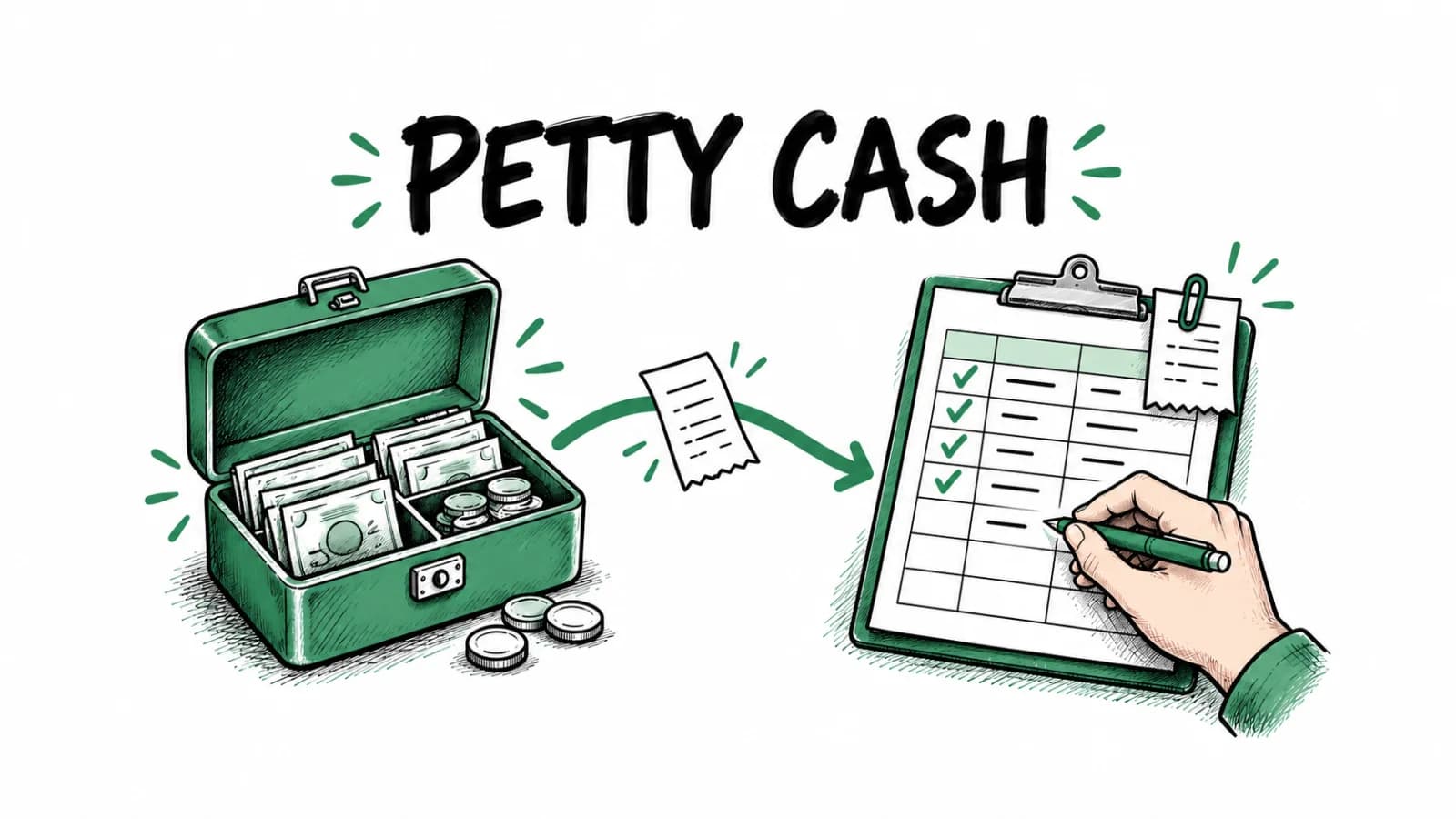
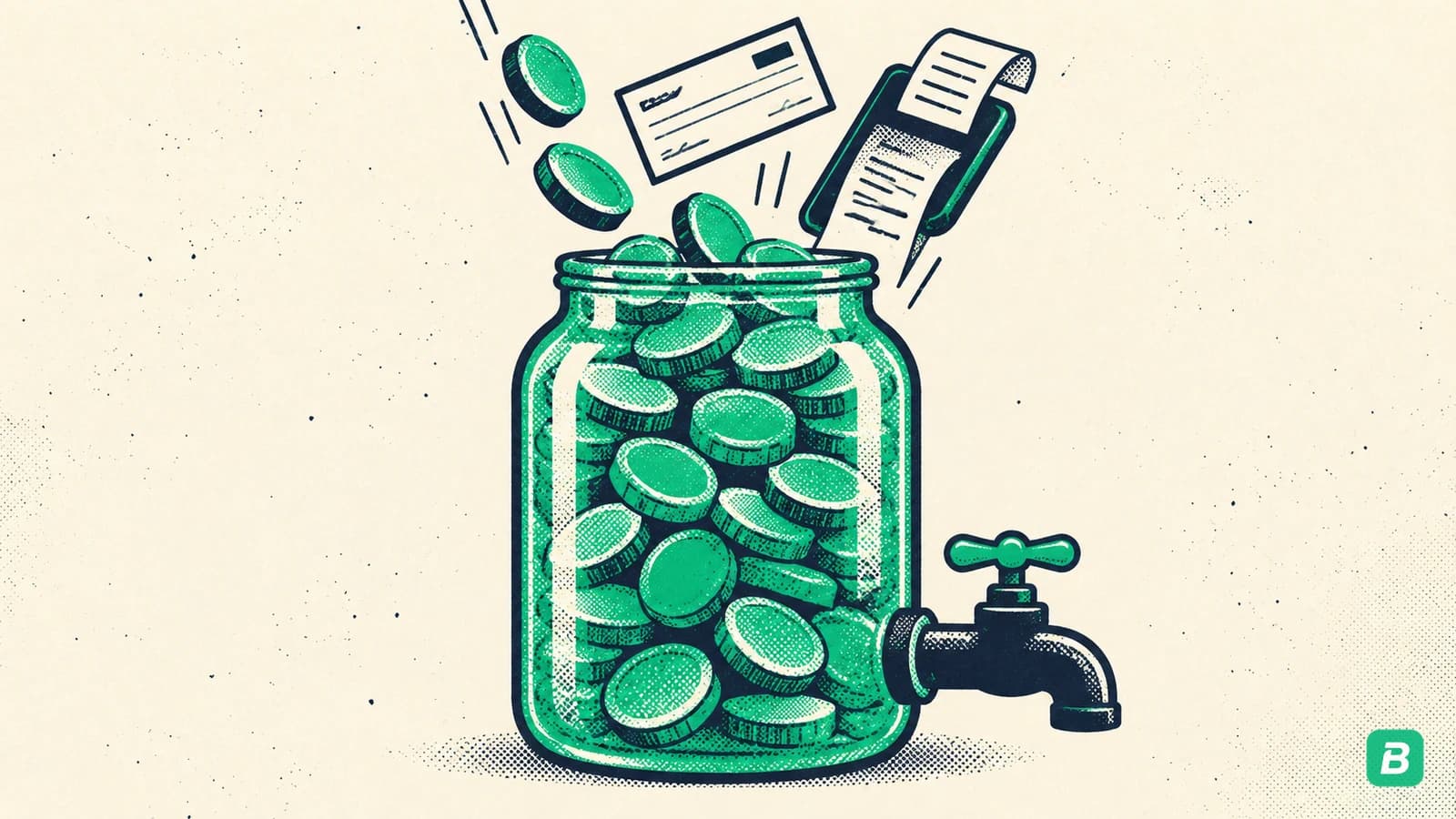
Gross receipts are the total money your business takes in during the year, before you subtract any cost or expense. Every sale and every fee counts, whether you made a profit or not.
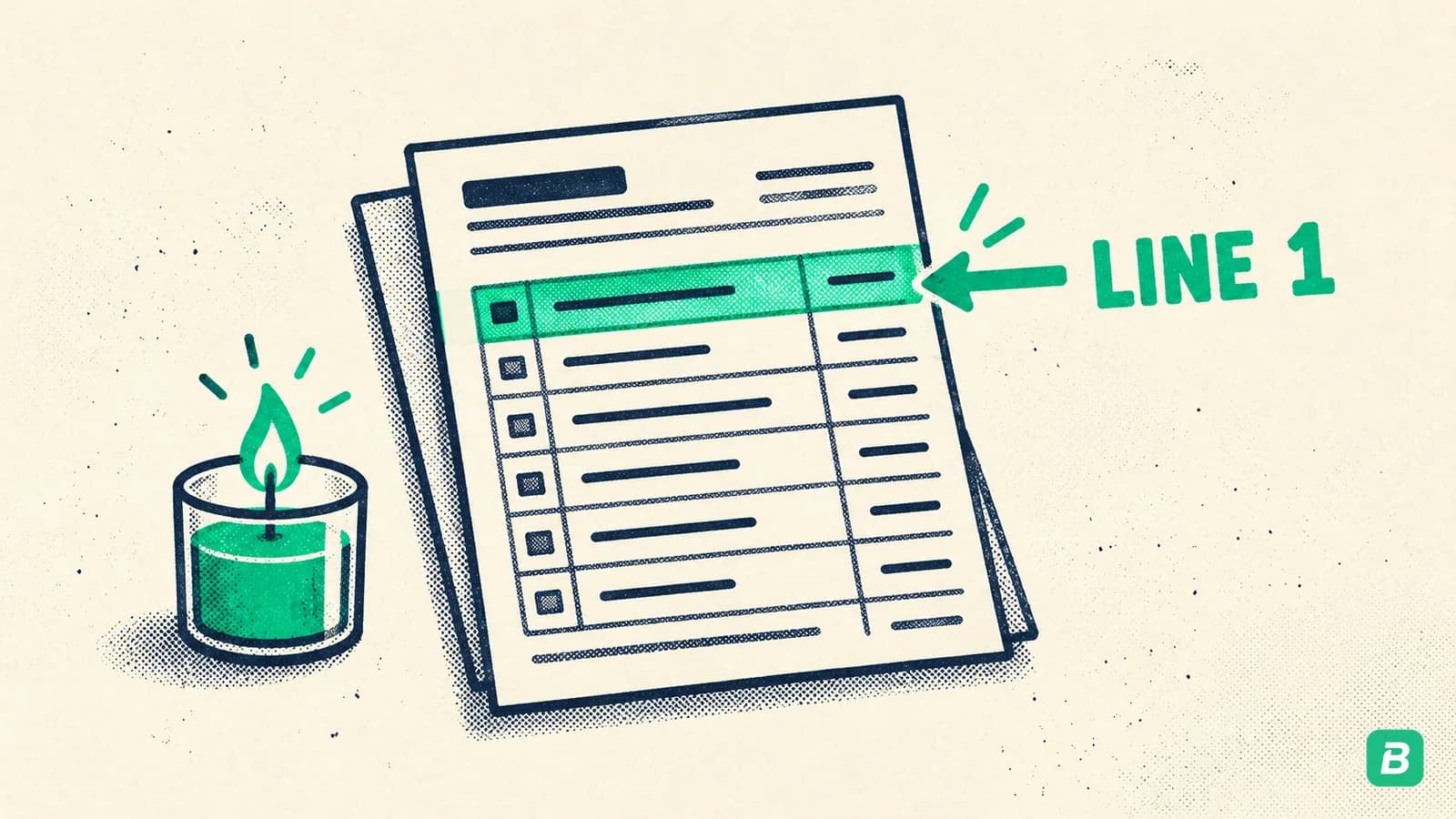
In the US it is line 1 of Schedule C. In Canada the CRA calls it gross business income, line 8299 of Form T2125. Lenders, grant programs and some state taxes ask for the same top-line number.
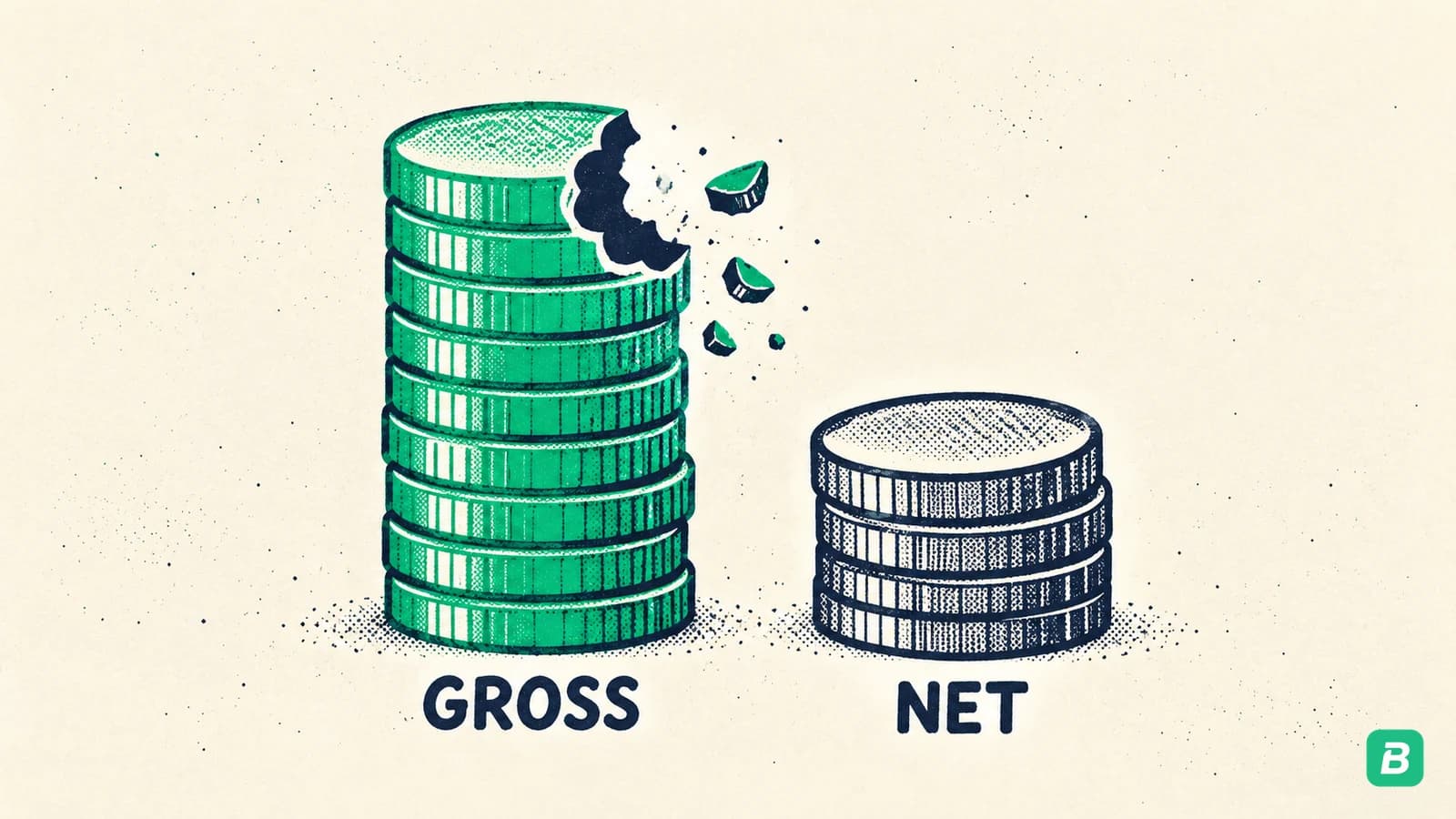
Gross receipts = everything you were paid for your work, before expenses. Taxes are worked out on what is left after expenses, but many thresholds use the gross number.
Jump to:
- US definition (IRS)
- Canada definition (CRA)
- What counts and what does not
- Worked example
- Gross receipts vs gross income vs net income
- Where the number is used
- How to total yours
- FAQ
Gross receipts in the US (IRS)
The IRS Schedule C instructions (2025) tell a sole proprietor to enter the business's gross receipts on line 1. The top of the form then works down:
| Schedule C line | What goes there |
|---|---|
| Line 1 | Gross receipts or sales |
| Line 2 | Returns and allowances (as a positive number) |
| Line 3 | Line 1 minus line 2 |
| Line 4 | Cost of goods sold |
| Line 5 | Gross profit |
| Line 6 | Other income |
| Line 7 | Gross income |
Three details from the instructions trip people up:
- Forms 1099-NEC. Line 1 must include the amounts on every Form 1099-NEC you received. If line 1 is less than the 1099-NEC total, attach a statement explaining why.
- Other income goes on line 6, not line 1. That includes bad debts you recovered, scrap sales and fuel tax refunds.
- Sales tax depends on who owes it. If the tax is imposed on the buyer and you pass it on, it is not in gross receipts. If the tax is imposed on you as the seller and you collect it from the buyer, you include it on line 1 and deduct it on line 23.
Gross receipts in Canada (CRA)
The CRA's forms do not use the words "gross receipts". The same idea is gross business income, built up in Part 3 of Form T2125. The CRA T4002 guide, chapter 2 sets out the lines:
| T2125 line | What goes there |
|---|---|
| 3A | Gross sales, commissions or fees, including GST/HST collected or collectible |
| 3B | GST/HST, provincial sales tax, returns, allowances and discounts included in 3A |
| 8000 | Adjusted gross sales (sales with the tax taken back out) |
| 8230 | Other income: recovered bad debts, business prizes, government grants or subsidies |
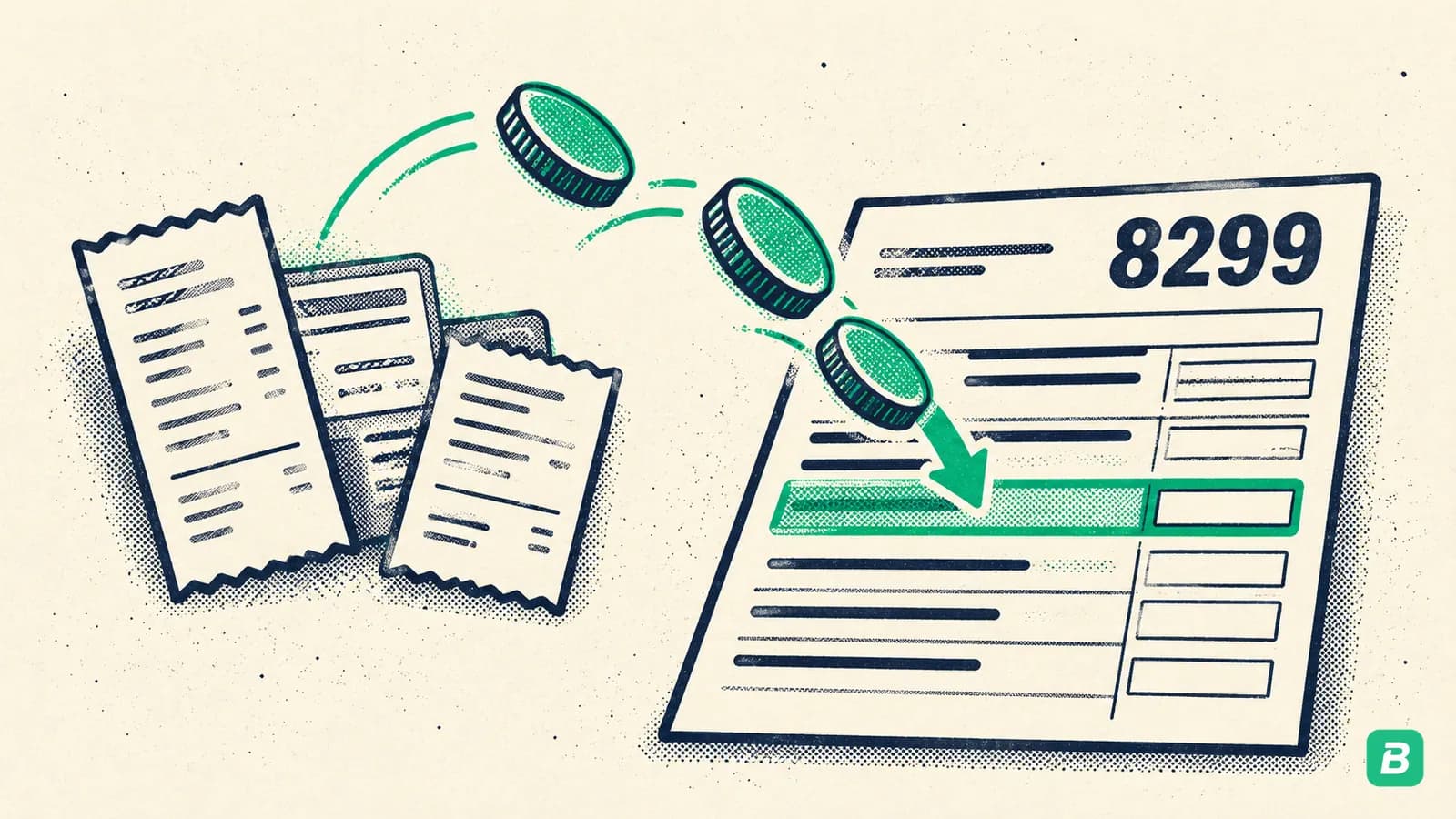
| 8299 | Gross business income: line 8000 + line 8290 (reserves deducted last year) + line 8230 |
Line 8299 is the Canadian equivalent of gross receipts. You carry it to line 13499 of your personal return.
Note the order: you start with the GST/HST in, then take it out on 3B. The tax you collect for the government never ends up in line 8299.
What counts as gross receipts
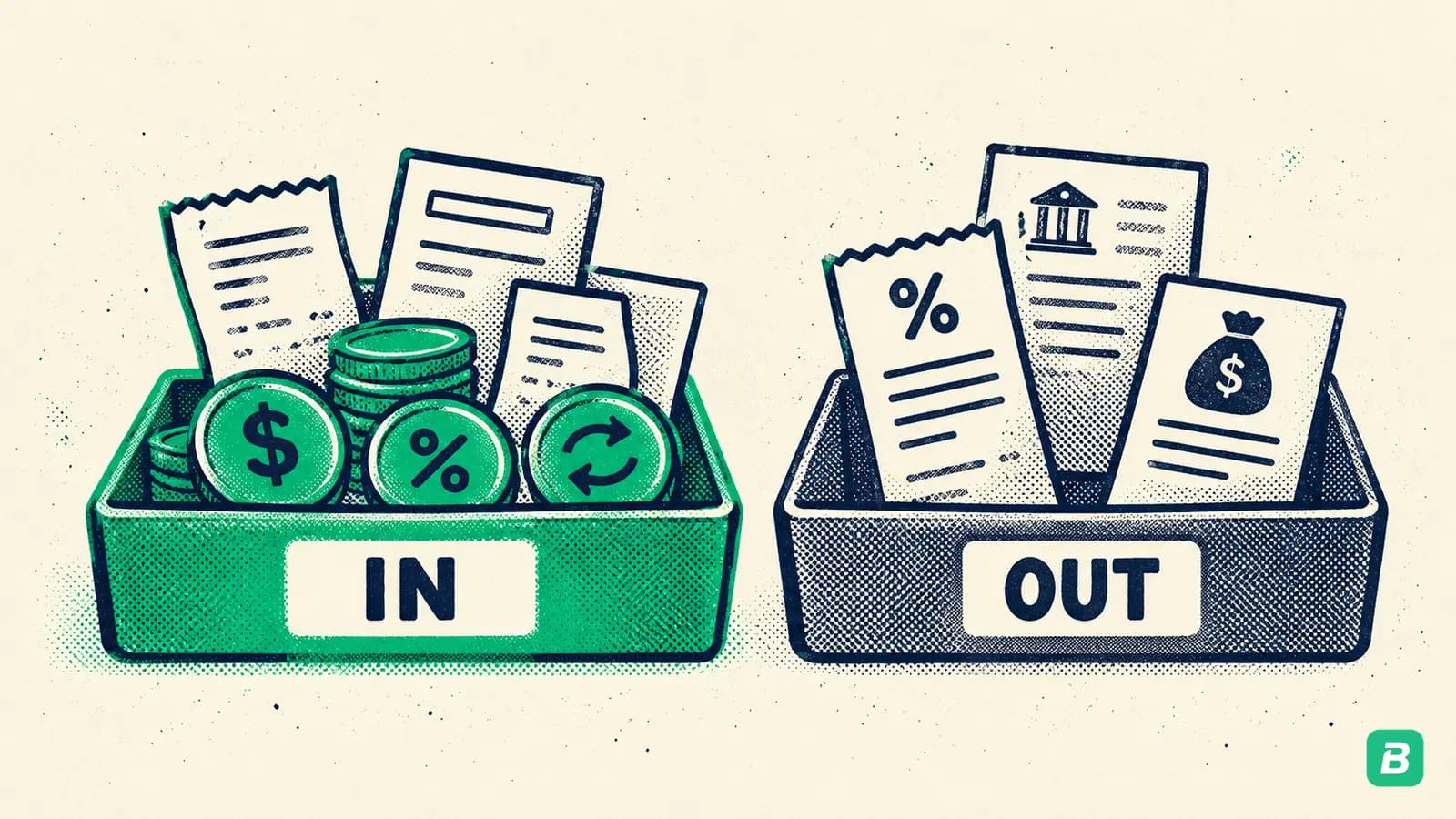
Counts:
- Sales of products, after you list returns separately
- Fees for services, commissions, tips paid to you
- Payments from platforms (Uber, DoorDash, Etsy, Stripe, Square), at the gross amount before their fees
- Barter: the fair market value of goods or services you received
- Other business income: recovered bad debts, business prizes, grants (US line 6, CA line 8230)
Does not count:
- Loans. Borrowed money is not income.
- Money you put in. Owner contributions are not sales.
- Sales tax you collect for the government (Canada, and US taxes imposed on the buyer)
- Personal income that has nothing to do with the business
Platform payouts are the common miss. Uber or Etsy deposits the amount after its fees, but your gross receipts are the amount before them. The fees go in as an expense.
Worked example: one year, two countries
US: Sam sells candles online as a sole proprietor.
| Line | Item | Amount (USD) |
|---|---|---|
| 1 | Candle sales | $95,000 |
| 2 | Refunds to customers | $1,200 |
| 3 | Line 1 minus line 2 | $93,800 |
| 4 | Wax, wicks, jars (cost of goods sold) | $28,000 |
| 5 | Gross profit | $65,800 |
| 6 | Bad debt recovered from a wholesale buyer | $150 |
| 7 | Gross income | $65,950 |
Sam's gross receipts are $95,000: line 1 only. Expenses come off line 7 further down the form.
Canada: Priya is a designer in Ontario, registered for HST at 13%.
| Line | Item | Amount (CAD) |
|---|---|---|
| 3A | Fees billed, with HST | $67,800 |
| 3B | HST collected | $7,800 |
| 8000 | Adjusted gross sales | $60,000 |
| 8230 | Bad debt recovered | $400 |
| 8299 | Gross business income | $60,400 |
Priya's gross figure is $60,400. The $7,800 of HST belongs to the CRA, so it comes out on 3B before line 8000.
Gross receipts vs gross income vs net income
| Term | What it is | Where |
|---|---|---|
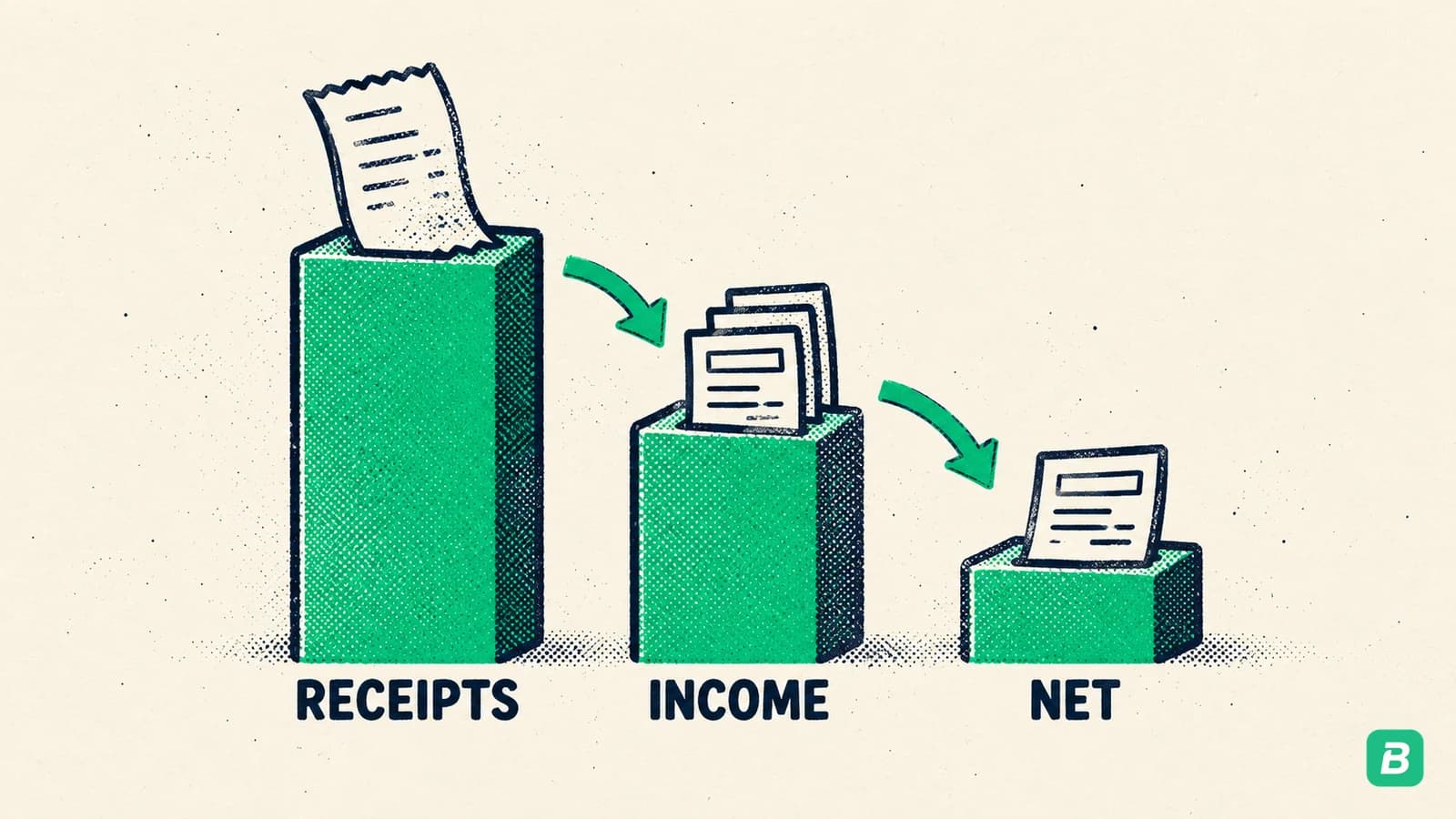
| Gross receipts | Everything the business was paid for its work, before costs | Schedule C line 1 / T2125 line 8299 |
| Gross income (US) | Gross receipts minus returns and cost of goods sold, plus other income | Schedule C line 7 |
| Net income (profit) | What is left after all business expenses | Schedule C line 31 / T2125 net income |
Income tax is worked out on net income, not gross receipts. The gross number matters because thresholds and some taxes use it.
Where your gross receipts number is used
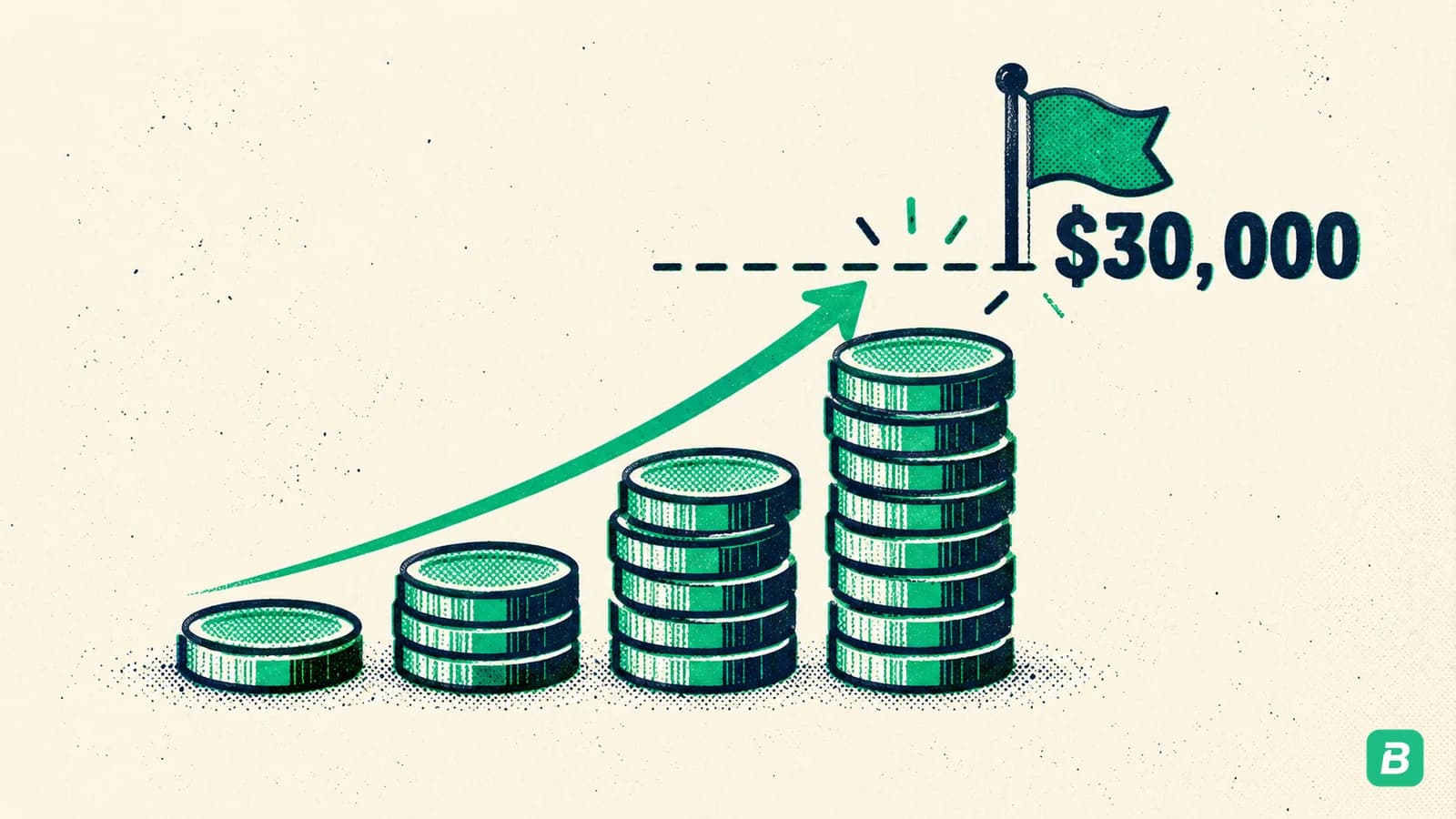
Canada: the $30,000 GST/HST small supplier limit
Under the CRA's small supplier rules, you stop being a small supplier once your taxable supplies pass $30,000 in one calendar quarter, or over four consecutive quarters.
- Over $30,000 in a single quarter: you charge GST/HST starting with the sale that took you over.
- Over $30,000 across four quarters: you stop being a small supplier at the end of the month after that quarter.
- You then have 29 days to register.
The test counts taxable supplies, which is close to but not the same as gross receipts: sales of capital property and financial services are left out. Profit plays no part, so a business with $35,000 in sales and $33,000 in costs still has to register. More in our GST/HST guide.
US: the $31 million small business test
For tax years beginning in 2025, a business with average annual gross receipts of $31 million or less over the prior three years counts as a small business taxpayer (IRS Form 1120 instructions). That opens simpler accounting methods. Most readers here are far below it.
US states that tax gross receipts
A few states tax the gross number itself, so you can owe even in a loss year:
| State | Tax | How it works |
|---|---|---|
| Washington | Business and occupation (B&O) tax | Measured on gross income; no deduction for labour, materials or other costs |
| Oregon | Corporate activity tax | Over $1 million of Oregon activity: $250 plus 0.57% of the amount above $1 million |
| Ohio | Commercial activity tax | 0.26% on receipts above a $6 million exclusion from 2025 (Ohio Society of CPAs) |
How to total your gross receipts
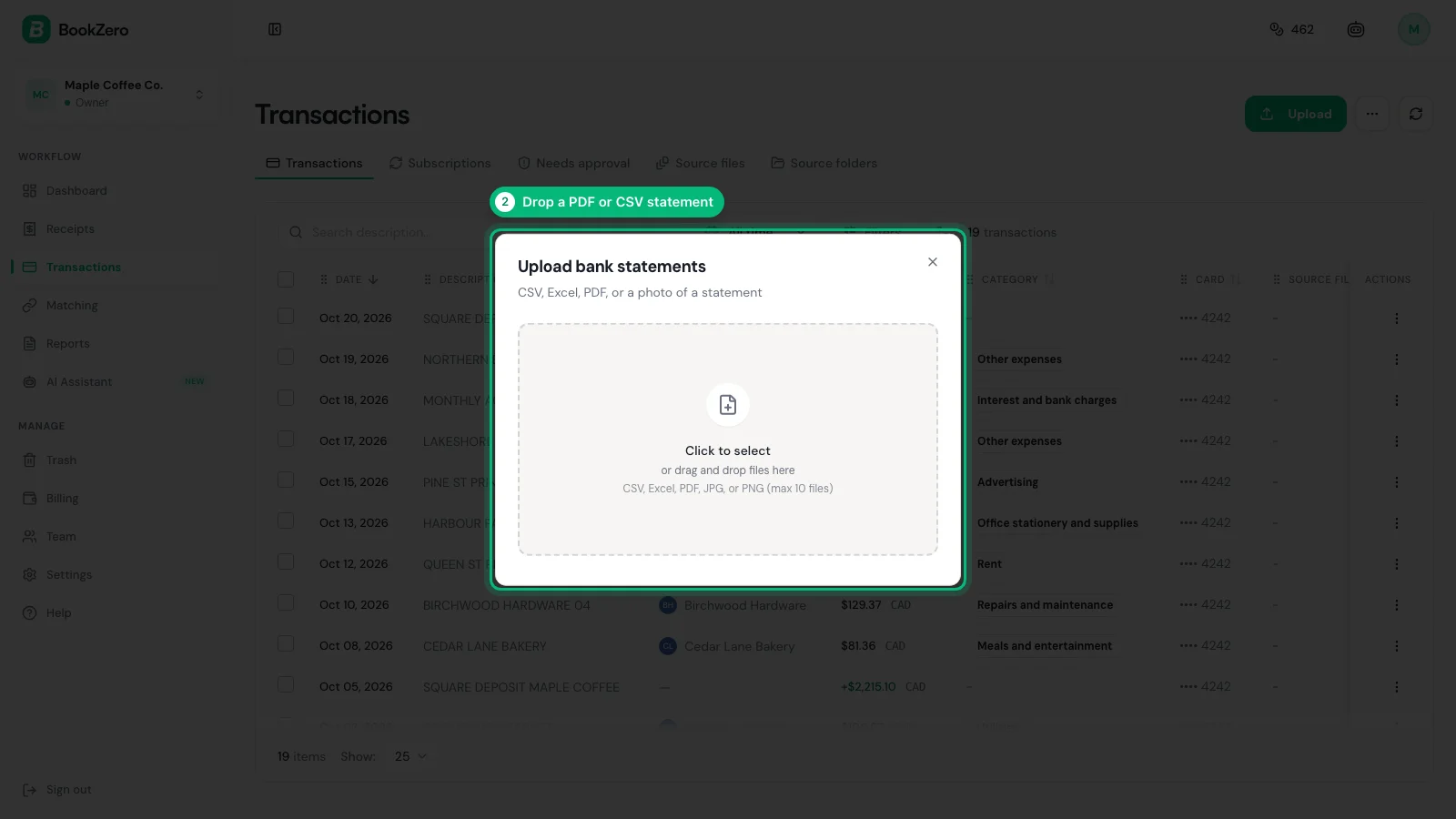
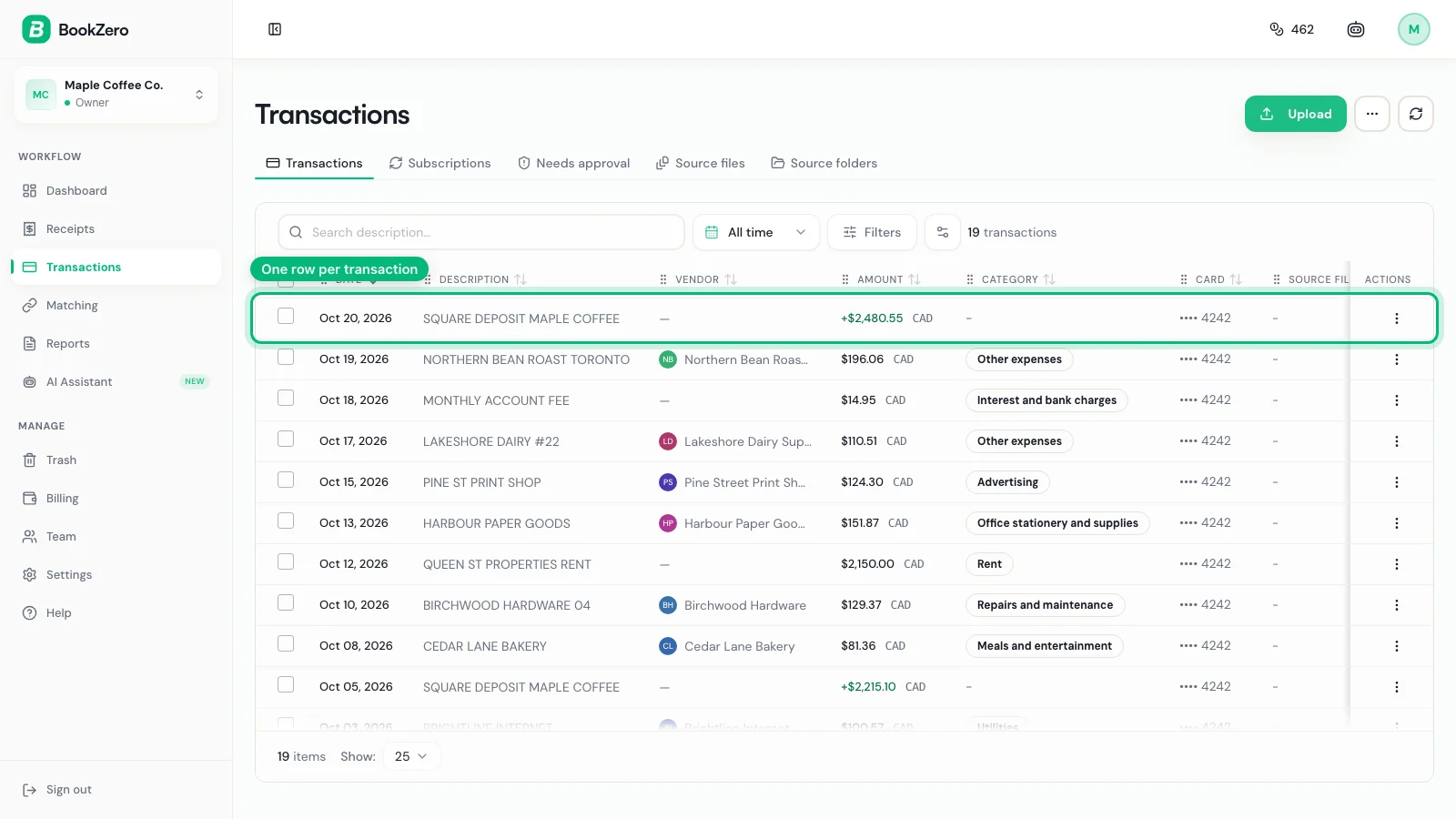
Step 1: Pull every deposit. Your bank statements are the most complete list of money in. Upload each month's statement so nothing sits in a PDF you never open.
Step 2: Strip out what is not income. Loan proceeds, transfers from your personal account and owner top-ups come out.
Step 3: Gross up platform payouts. Use the platform's annual summary for the before-fees amount, and book the fees as an expense.
Step 4: Take out sales tax you collected for the government. In Canada that is every dollar of GST/HST and PST.
Step 5: Check against your 1099s (US). Your line 1 should be at least the total of your 1099-NEC forms.


This guide explains the IRS and CRA rules in plain words. Your situation may differ; check with a tax professional before you file.
Common mistakes with gross receipts
- Reporting net payouts. Platform deposits are after fees. Report the gross and expense the fees.
- Putting other income on line 1. In the US, recovered bad debts and similar items go on line 6.
- Leaving GST/HST in. In Canada it is taken out on line 3B. In the US, a buyer-imposed sales tax stays out.
- Counting loans or owner money. Neither is income.
- Not matching the 1099s. The IRS compares your return with the 1099s payers file.
For the Canadian side of the whole return, see the T2125 guide and our list of small business tax deductions in Canada.
Frequently Asked Questions
What are gross receipts in simple terms?
Gross receipts are all the money your business was paid during the year for what it sells, before you subtract any expense. In the US they go on Schedule C line 1. In Canada the matching figure is gross business income on T2125 line 8299.
Are gross receipts the same as revenue?
Close, but not always. Revenue usually means sales from your main activity. Gross receipts on Schedule C line 1 are those sales, while other business income goes on line 6. On the T2125, line 8299 adds other income such as grants and recovered bad debts to sales.
Do gross receipts include sales tax?
In Canada, no: GST/HST and provincial sales tax are included on line 3A and taken back out on line 3B. In the US it depends on the state. A tax imposed on the buyer is left out. A tax imposed on the seller and collected from the buyer is included on line 1 and deducted on line 23.
Are gross receipts the same as gross income?
No. In the US, gross income on Schedule C line 7 is gross receipts minus returns and cost of goods sold, plus other income. Gross receipts are the starting number on line 1.
Do I report Uber or Etsy earnings gross or net of fees?
Gross. Report what the customer paid before the platform took its fee, then claim the fee as a business expense. The platform's annual tax summary usually shows both numbers.
Do gross receipts decide if I must register for GST/HST?
Almost. The CRA test uses your taxable supplies (plus those of any associates), which leaves out sales of capital property and financial services. Once that passes $30,000 in one quarter or over four consecutive quarters, you must register within 29 days.

Eric Tech· Founder, BookZero.ai
Founder of BookZero. Building AI-powered bookkeeping tools for US and Canadian freelancers and small businesses.
View all postsStay ahead of tax season
Tax tips, deduction strategies, and feature announcements straight to your inbox. No spam, unsubscribe anytime.