Capex vs Opex: Capital vs Operating Expense (2026)
Capex vs operating expense: what each one is, a comparison table, real examples, and how the IRS (depreciation) and CRA (CCA) treat each at tax time.
 Eric Tech·Oct 21, 2026·9 min read·
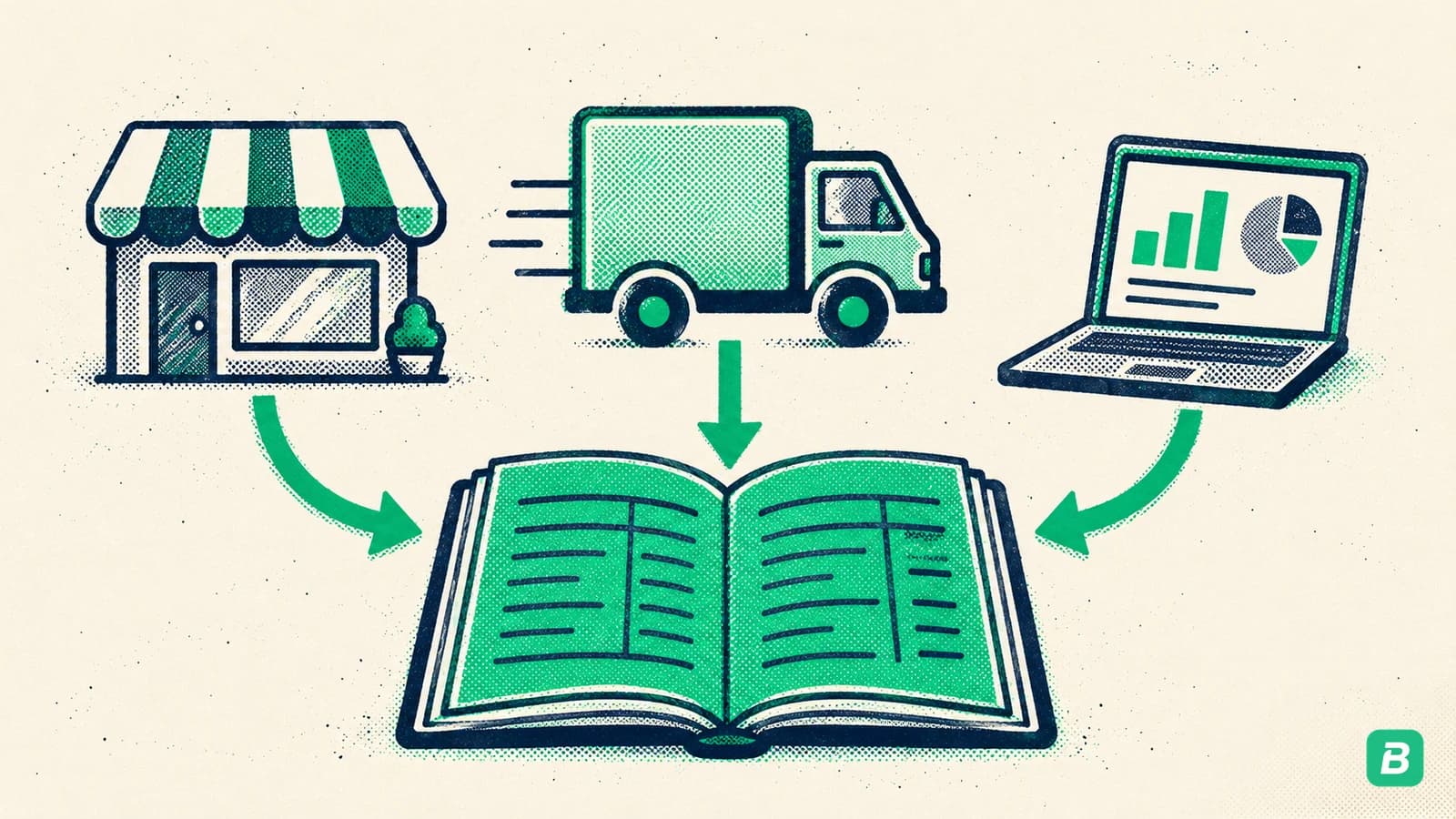
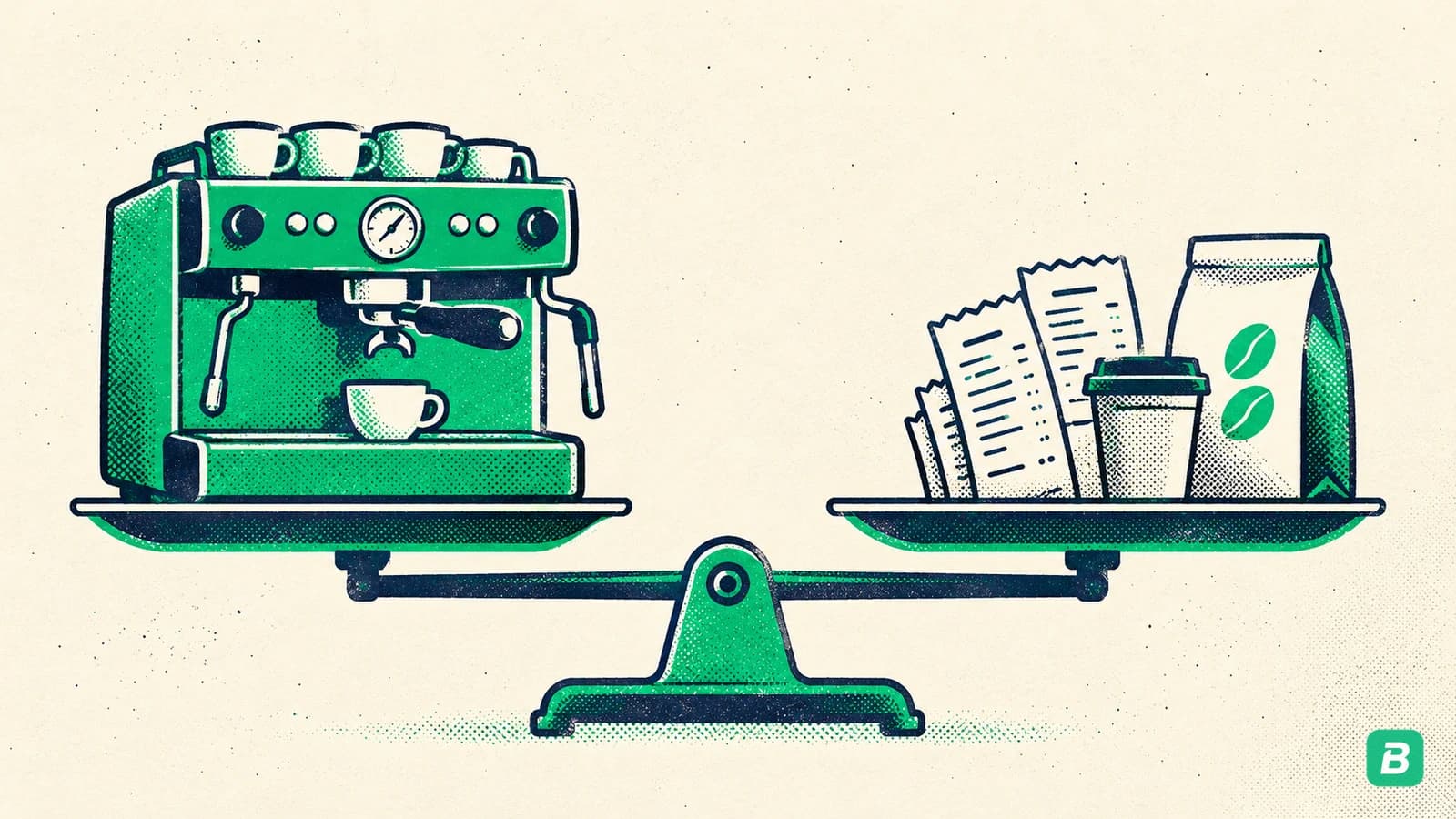
Capex vs operating expense comes down to how long the purchase lasts. A capital expense (capex) buys something that keeps helping the business for more than a year, like a van, an oven or a laptop. An operating expense (opex) is a cost that is used up in the normal running of the business, like rent, fuel or software.
At tax time, opex is deducted in the year you pay it. Capex is deducted bit by bit over several years: depreciation in the US, capital cost allowance (CCA) in Canada.
If it lasts more than a year and isn't small, treat it as capex and spread the deduction. Everything you use up, deduct now.
Jump to:
- Step 1: Compare capex and opex
- Step 2: Sort your purchase
- Step 3: US tax treatment
- Step 4: Canada tax treatment
- Step 5: Record it
- FAQ
Step 1: Compare capex and opex
| Capital expense (capex) | Operating expense (opex) | |
|---|---|---|
| What it buys | An asset that lasts more than a year | Something used up in the year |
| Examples | Vehicle, equipment, computer, furniture, a new roof | Rent, fuel, phone, software subscriptions, repairs, supplies |
| On the books | Balance sheet, as an asset | Income statement, as an expense |
| US tax | Depreciated over years (or expensed under an election) | Deducted in the year paid |
| Canada tax | CCA, a set rate each year by asset class | Deducted in the year paid |
| Effect this year | Smaller deduction now, more later | Full deduction now |
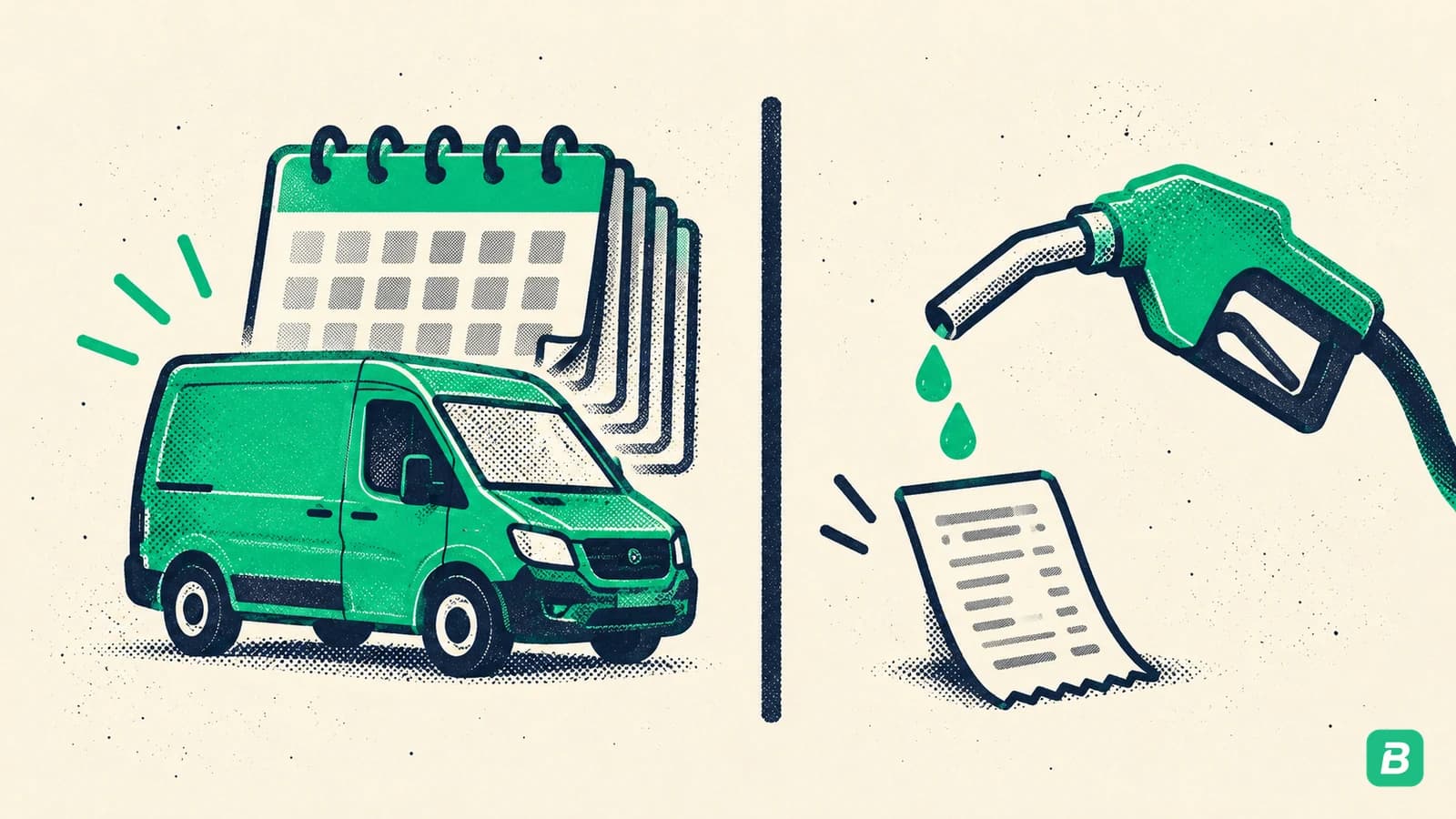
The CRA puts it in one line each in its T4002 guide: a capital expense generally gives a lasting benefit; a current expense usually recurs after a short period. "Current expense" is the CRA's word for opex.
Examples for a small business
| Purchase | Capex or opex | Why |
|---|---|---|
| Delivery van | Capex | Used for years |
| Fuel and oil changes for the van | Opex | Used up |
| Espresso machine for a café | Capex | Separate asset that lasts |
| Coffee beans and cups | Opex | Sold or used up |
| Laptop | Capex (US: often expensed, see Step 3) | Lasts several years |
| Accounting software subscription | Opex | Paid each month |
| Painting the shop | Opex | Recurs |
| Adding vinyl siding to the shop | Capex | Lasting improvement |
Step 2: Sort your purchase with three questions
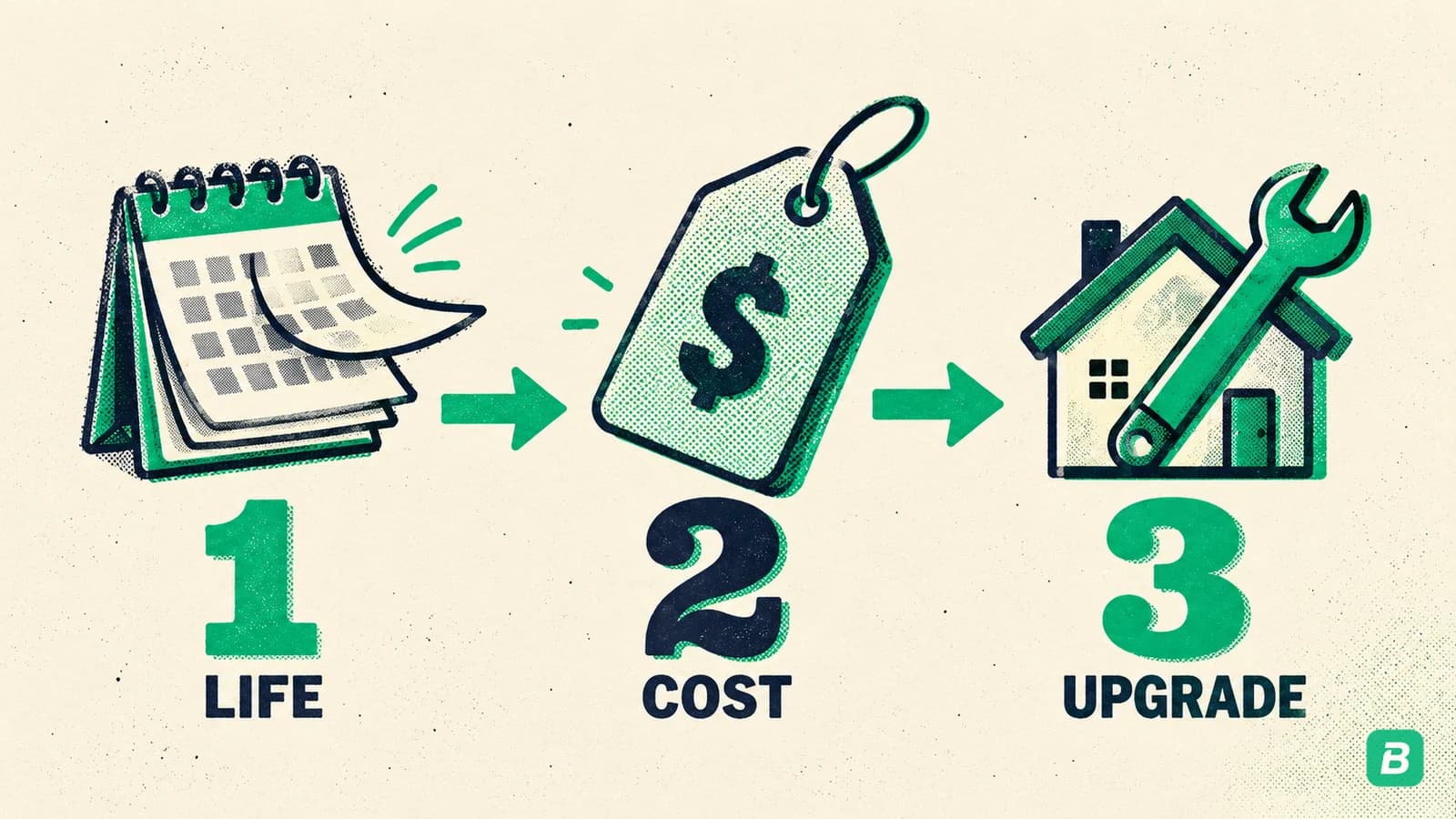
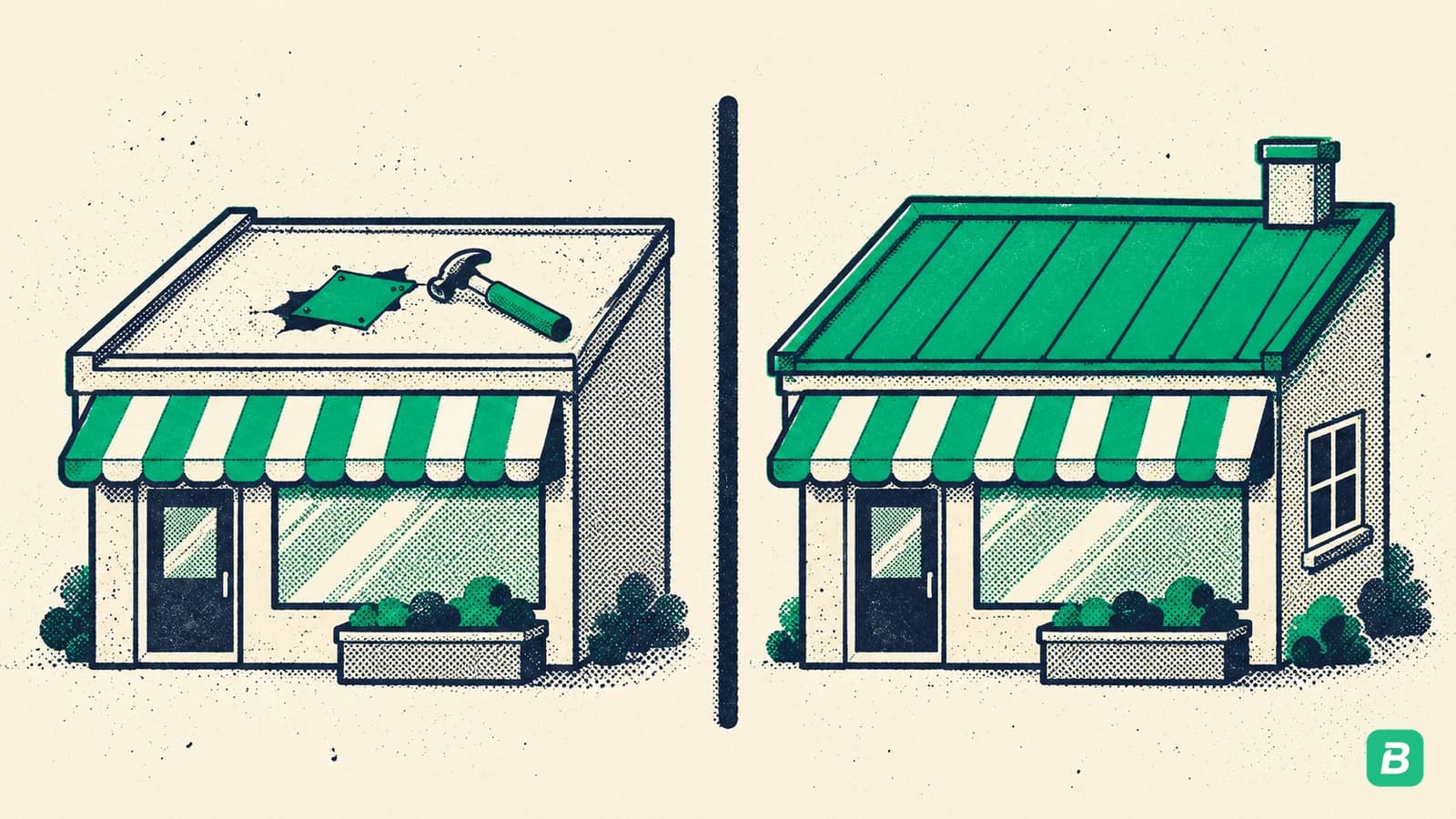
1. Does it last more than a year? The CRA's first test is whether the cost gives a lasting benefit. Its example: painting a wooden house is current; putting vinyl siding on it is capital.
2. Does it repair or improve? "An expense that simply restores a property to its original condition is usually a current expense," per the CRA. Repairing wooden steps is current. Replacing them with concrete steps is capital.
3. Is it a part, or a separate asset? Replacing a part of a building, like its wiring, is usually current. Buying a separate asset, like a compressor, is capital.
Only if those three do not settle it does the CRA look at how big the cost is next to the property. A large bill alone does not make something capital.
The IRS uses the same idea with different words. Under the tangible property regulations, a cost must be capitalized if it is a betterment (fixes a defect, adds capacity or makes the property materially better), a restoration (replaces a major component or returns it to like-new) or an adaptation (converts it to a new use).
Calling an improvement a repair is a common audit adjustment. If you are unsure, write down which test you used.
Step 3: Deduct it in the US (IRS)
Opex: deduct it on Schedule C in the year you pay (cash method). Rent, fuel, supplies and repairs all land here.
Capex: depreciate it over its recovery period with Form 4562. Three rules make many small purchases deductible right away:
- De minimis safe harbor. You can expense items costing up to $2,500 per invoice or item if you don't have an audited financial statement ($5,000 if you do). You elect it each year with a statement attached to your return. Source: IRS tangible property regulations.
- Bonus depreciation. The IRS confirms a permanent 100% first-year deduction for eligible property acquired after January 19, 2025 (IRS guidance).
- Section 179. An election to expense qualifying equipment up to an annual limit. The limits and rules are in IRS Publication 946.
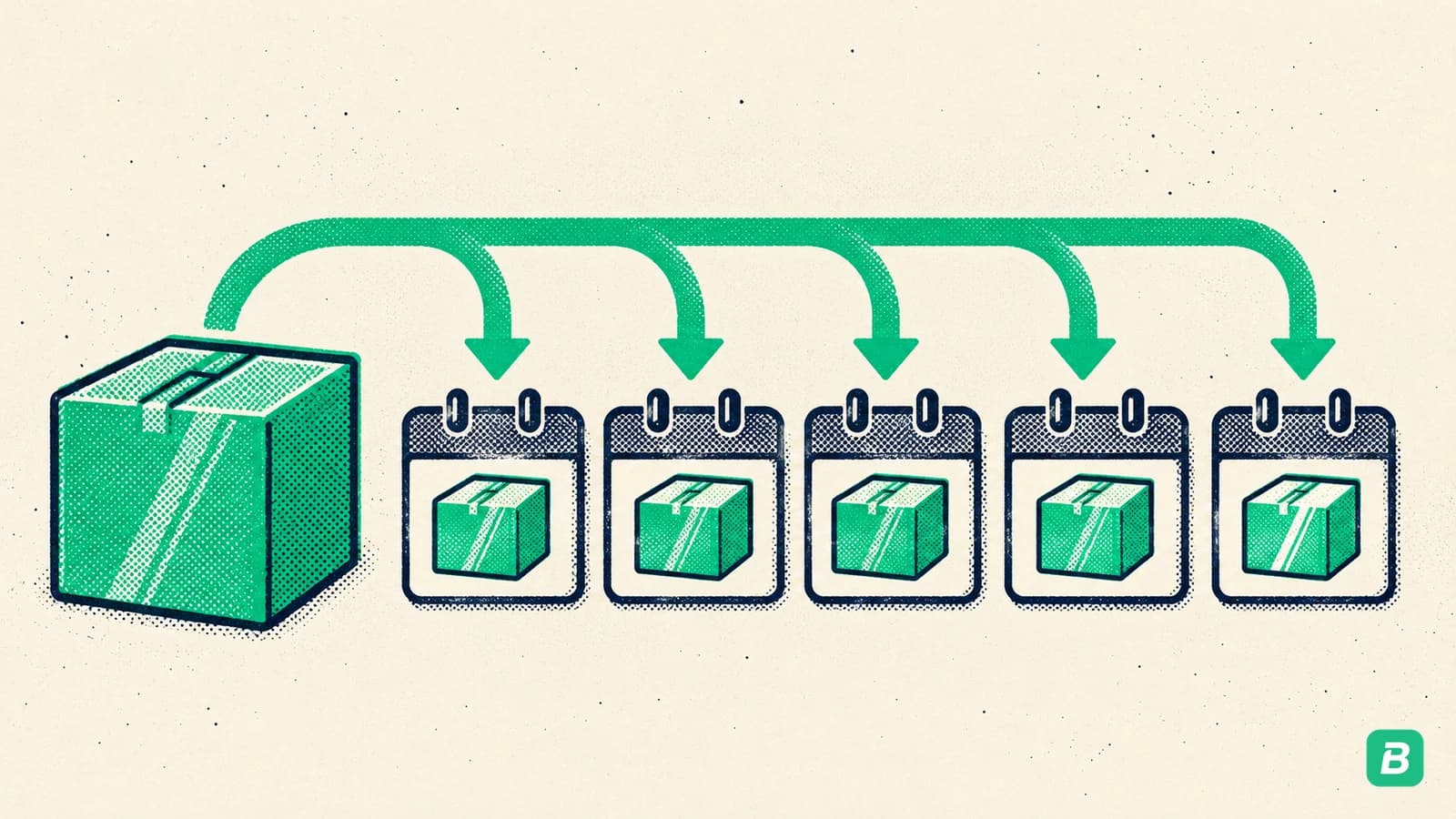
Expensing a capex item now is not always better. A big deduction in a low-income year can be worth less than the same deduction spread into higher-income years. Ask your preparer before you elect.
Step 4: Deduct it in Canada (CRA)
Opex: deduct it on the T2125 expense lines in the year you incur it.
Capex: claim CCA. Each asset goes into a class, and each class has a yearly rate applied to the remaining balance (the declining balance method). The CRA classes page lists them:
| Class | Rate | Covers |
|---|---|---|
| 8 | 20% | Furniture, appliances, tools costing $500 or more |
| 10 | 30% | Motor vehicles and some passenger vehicles |
| 10.1 | 30% | A passenger vehicle bought in 2025 that cost more than $38,000 before tax |
| 12 | 100% | Tools, kitchen utensils and medical or dental instruments costing less than $500 |
| 50 | 55% | Computer hardware acquired after March 18, 2007 |
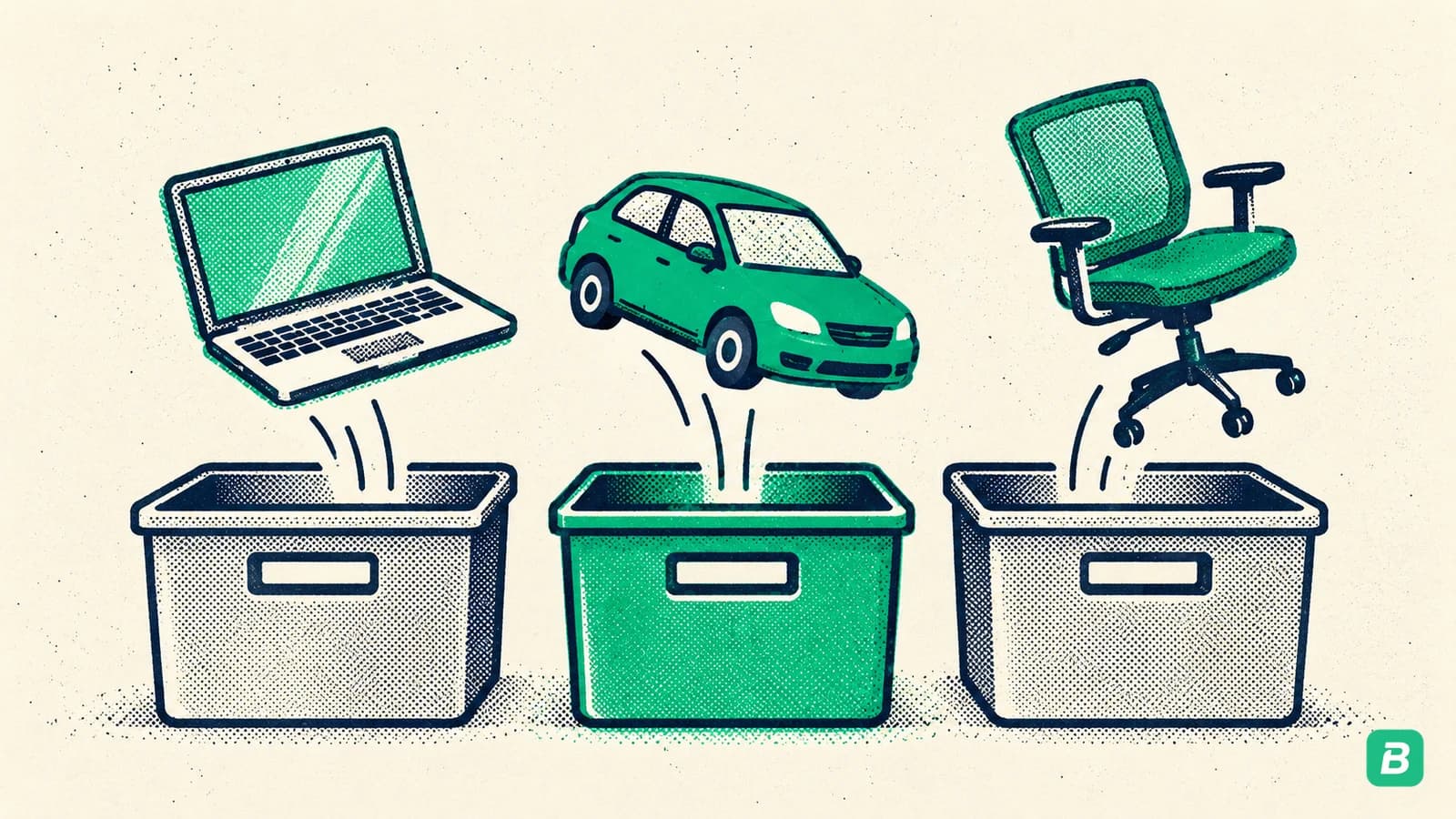
The half-year rule. In the year you buy an asset you can usually claim CCA on only half of the net addition to the class (CRA basic CCA information). Most small tools in Class 12 are not subject to it.
Worked example. A $2,000 laptop (Class 50, 55%) bought this year:
- Year 1: $2,000 × 50% × 55% = $550
- Year 2: ($2,000 − $550) × 55% = $797.50
- And so on, on the shrinking balance
For more Canadian write-offs, see small business tax deductions in Canada and the T2125 guide.
Step 5: Record it so the split holds up
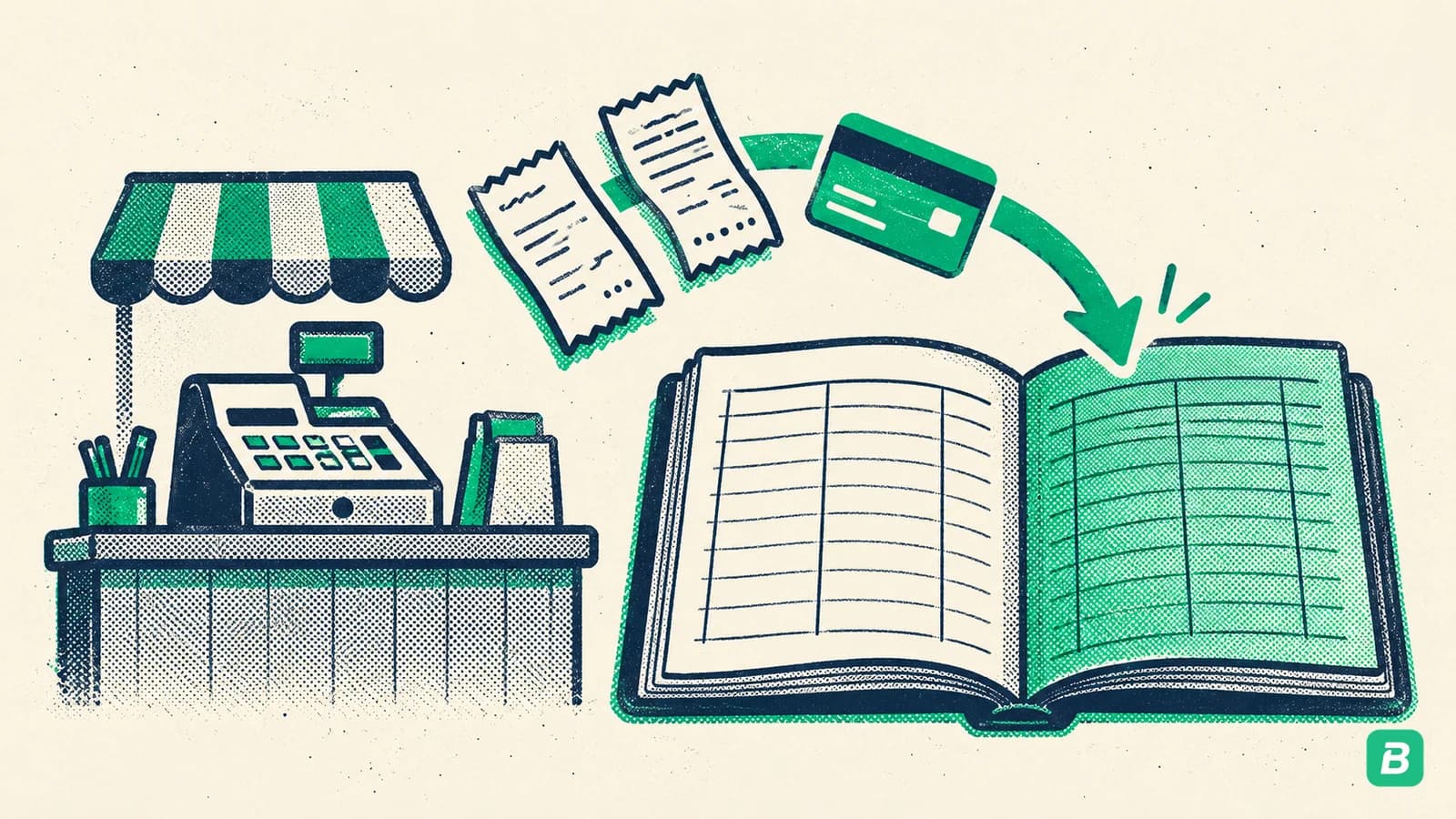
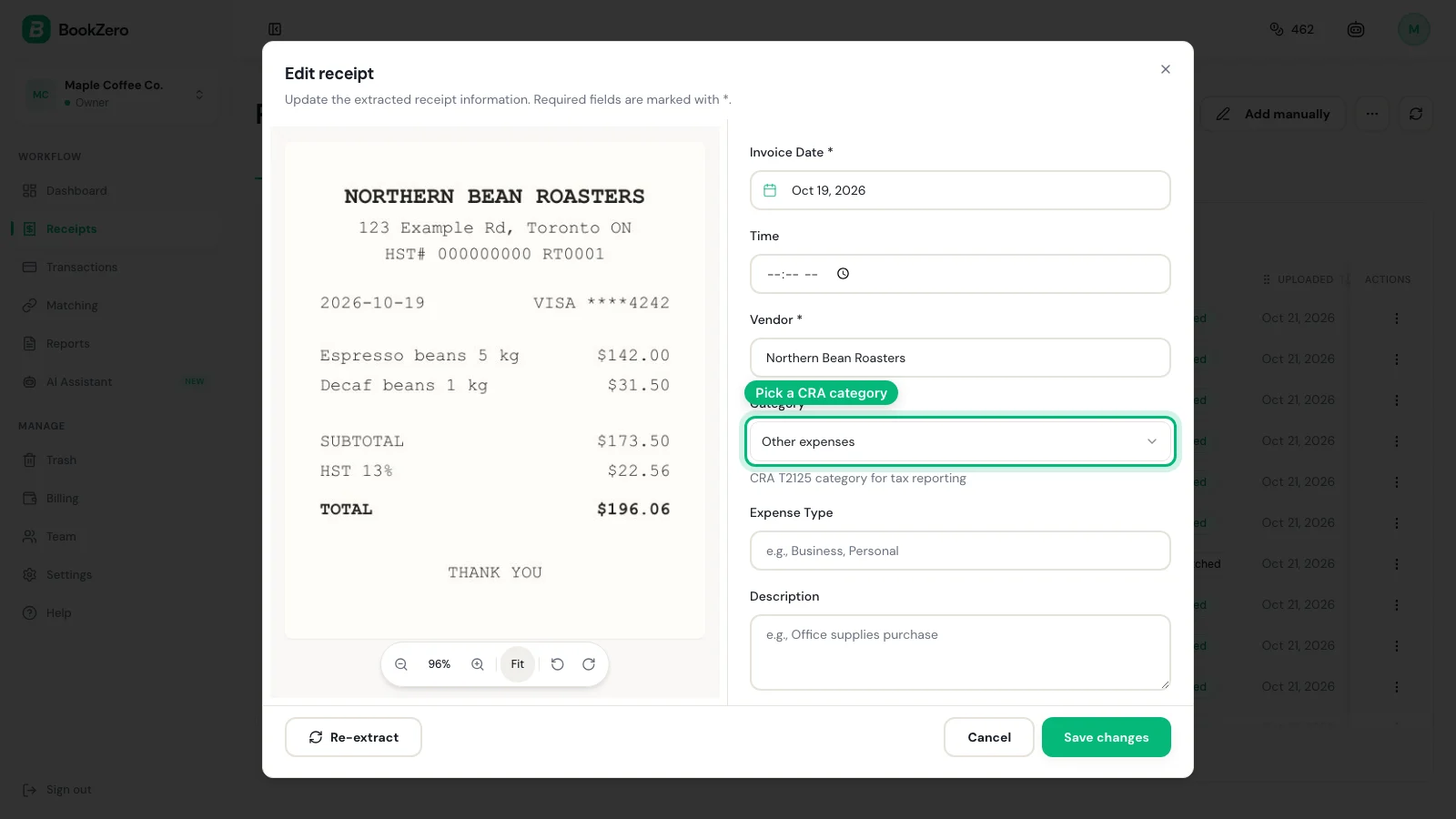
Whether something is capex or opex, the proof is the same: keep the itemized receipt or invoice. It shows what you bought, which is how you or your accountant decide the class. An itemized receipt beats a card slip here.
The CRA asks you to keep records for six years from the end of the tax year they relate to (CRA record retention). For a capital asset, the receipt keeps mattering for as long as you claim CCA or depreciation on it.
In BookZero, snap the receipt and the category is set from what is on it. You can change it before it reaches your reports.


This guide explains IRS and CRA rules in plain words. Classes, limits and elections have conditions; check with a tax professional before you file.
Frequently Asked Questions
What is the difference between capex and opex?
Capex buys an asset that helps the business for more than a year, such as a vehicle or equipment, and is deducted over several years. Opex is a cost used up in the year, such as rent or fuel, and is deducted in the year you pay it.
Is a laptop capex or opex?
A laptop lasts several years, so it is a capital asset. In Canada it goes in Class 50 at 55% with the half-year rule. In the US many small businesses can expense it in the first year under the $2,500 de minimis safe harbor or bonus depreciation.
Are repairs capex or opex?
A repair that restores something to its original condition is opex. A change that makes it better than before, adds capacity or adapts it to a new use is capex. Repairing wooden steps is opex; replacing them with concrete steps is capex, in the CRA's own example.
Is software a capital expense?
A monthly or yearly subscription is an operating expense. Software you buy outright can be a capital asset; in Canada, check the CRA classes page for the class that applies.
Is capex better than opex for taxes?
Neither is better in total, because both are deducted in the end. Opex gives the full deduction now. Capex spreads it out, unless an election lets you expense it in the first year.
What is the CRA half-year rule?
In the year you buy a depreciable asset, you can usually claim CCA on only half of the net addition to its class. You claim on the rest of the balance from the next year on.

Eric Tech· Founder, BookZero.ai
Founder of BookZero. Building AI-powered bookkeeping tools for US and Canadian freelancers and small businesses.
View all postsStay ahead of tax season
Tax tips, deduction strategies, and feature announcements straight to your inbox. No spam, unsubscribe anytime.